
Lancashire hotpot, the classic slow-cooked stew combining lamb or mutton with vegetables, topped with a layer of sliced potatoes and baked until tender, represents one of the North of England's most enduringly popular traditional dishes, carrying genuinely deep roots within the region's industrial working-class history.
Born From Lancashire's Mills and Mines.
The dish's origins trace back to Lancashire's industrial heartlands during the nineteenth century, when the region's booming cotton mills and coal mines employed vast numbers of working-class families needing genuinely filling, affordable meals that could be prepared with minimal active effort during long working days spent primarily away from home.
Lancashire hotpot's essential appeal lay substantially in its convenience, allowing a pot to be assembled in the morning before work and left to slowly cook throughout the day, whether in a low oven or over a gently maintained fire, ready to provide a properly hot, substantial meal for the entire family once everyone returned home in the evening.
Why the Potato Topping Matters.
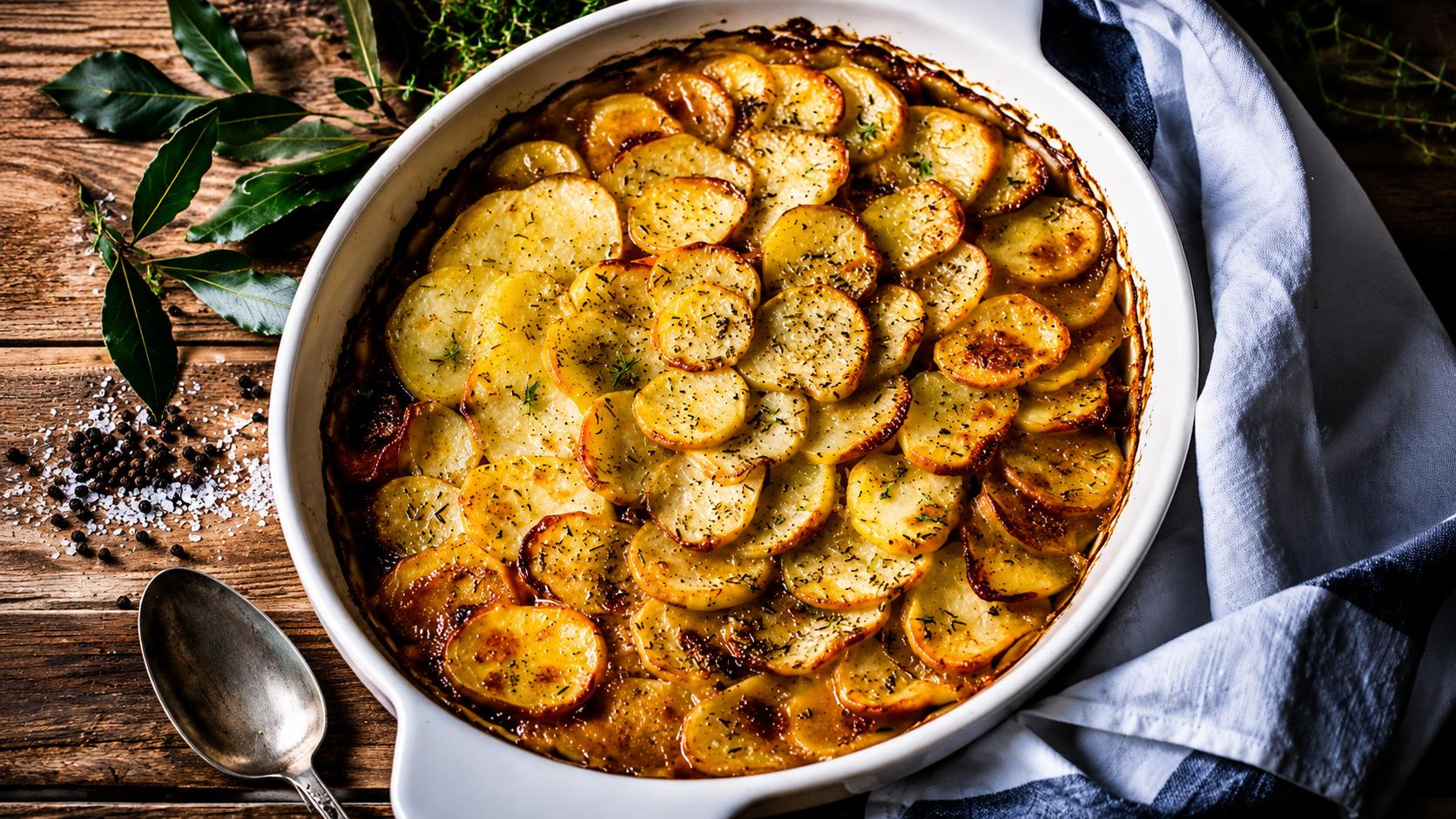
The dish's distinctive topping of overlapping, thinly sliced potatoes, rather than the mashed potato found atop many other similar British meat dishes, serves a genuinely practical purpose, creating a crisp, golden layer on top of the dish while the meat and vegetables beneath remain properly tender, having slowly absorbed the rich cooking liquid throughout the day.
Traditional recipes commonly include lamb or mutton chops, onions, carrots and sometimes kidneys, all combined within a deep dish and slow-cooked for several hours, allowing the tougher, more affordable cuts of meat traditionally used to become genuinely tender through the dish's characteristically long, gentle cooking process.
A Northern Classic With Wide Appeal.
While specifically associated with Lancashire, the hotpot's genuine popularity has spread across the wider North of England over subsequent generations, including throughout Newcastle and the North East, where pubs and restaurants regularly feature their own versions of the dish, particularly popular during colder months given its deeply warming, substantial character.
Lancashire hotpot's continued popularity reflects a wider, genuine British affection for dishes rooted in industrial working-class history, transforming genuinely humble, practical ingredients into a dish now celebrated as a properly cherished symbol of traditional northern English cooking, enjoyed across the country well beyond its original Lancashire heartland.
A Dish for Cold Northern Winters.
Lancashire hotpot remains particularly popular during the colder months across the North of England, valued for its deeply warming, substantial character, much like many of the region's other traditional stew-based dishes developed originally to sustain hardworking industrial and mining communities.
Pubs across Newcastle and the wider North East regularly feature hotpot on winter menus specifically, connecting the region's own strong industrial heritage to Lancashire's parallel tradition, both shaped by the shared need for genuinely substantial, affordable food during physically demanding working lives.
A Regional Dish Gone National.
Lancashire hotpot's journey from a specific regional industrial dish to a widely recognised British classic mirrors the story of several other dishes on this list, showing how genuinely good, practical cooking tends to spread well beyond its original home given enough time. It remains a genuinely fitting tribute to the working communities that first created it.
Food writers continue including Lancashire hotpot among the definitive dishes of northern English cooking, and its continued popularity across pubs and home kitchens alike reflects just how well genuinely simple, well-made comfort food tends to endure regardless of changing culinary trends. That shared industrial history continues to connect two very different parts of northern England through a single, well-loved dish.
Traditional recipes sometimes include a whole kidney placed at the centre of the dish specifically for extra flavour, a detail some modern versions omit, though dedicated traditionalists continue to regard it as a genuinely important, authentic touch worth preserving in a properly made hotpot. Its continued popularity across the North of England shows no real sign of fading any time soon.
Its continued popularity across the wider North of England shows no real sign of fading any time soon at all.
Join the discussion.
Have you ever tried a proper Lancashire hotpot?
Food & Drink News
Lancashire Hotpot: The Story of a Northern British Stew Tradition
Lancashire hotpot has fed working families across the North of England for generations, its distinctive sliced potato topping developed for genuinely practical reasons.
Advertisement


Comments (0)
You must be logged in to post comments.
Don't have an account? Register here
No comments yet. Be the first to share your thoughts!