
Today, breakfast lovers across the UK will mark National Porridge Day, a celebration of one of Britain's oldest and most enduring foods.
While breakfast trends regularly come and go, porridge has remained a fixture on kitchen tables for centuries. It is simple, affordable, nutritious and deeply rooted in British culture. In places such as Newcastle and the wider North East, it has long been associated with hardworking communities, cold mornings and a practical approach to food.
Today, National Porridge Day offers an opportunity to celebrate not only a beloved breakfast but also a dish whose history stretches back thousands of years and whose popularity extends far beyond Britain's shores.
What Is National Porridge Day.
National Porridge Day is celebrated annually on June 23 and recognises the cultural significance and nutritional benefits of porridge.
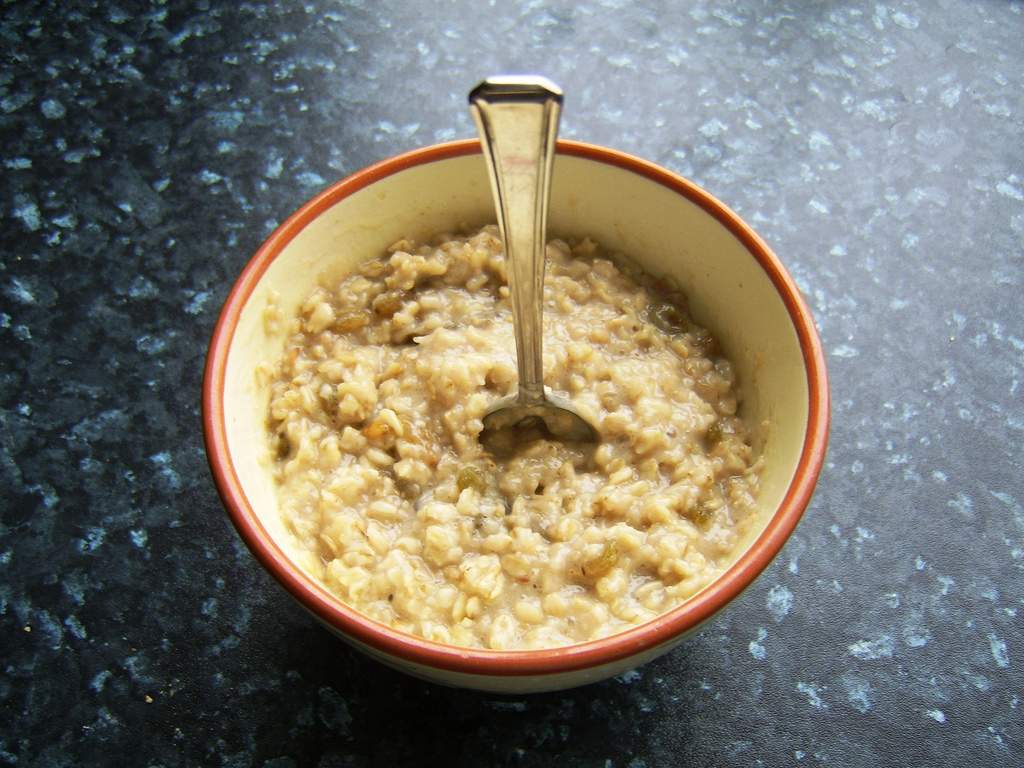
The day encourages people to enjoy a bowl of porridge, experiment with different toppings and recipes, and learn more about the history behind one of the world's oldest prepared foods.
Although many people associate porridge with Scotland, the dish has long been enjoyed throughout the United Kingdom. From rural farming communities in Northumberland to industrial towns across County Durham and Tyneside, porridge has provided generations with a filling and dependable start to the day.
In recent years, porridge has enjoyed something of a revival thanks to growing interest in healthy eating, high-fibre foods and simple breakfasts that provide long-lasting energy.
The Ancient History Of Porridge.
Few foods can claim a history as long as porridge.
Archaeological evidence suggests humans have been cooking grains into porridge-like meals for thousands of years. Ancient civilisations including the Egyptians, Greeks and Romans all consumed versions made from locally available grains.
As farming developed across Europe, porridge became a staple because it was inexpensive, filling and easy to prepare. Long before supermarkets and convenience foods existed, households relied on grains such as oats, barley and wheat to create nourishing meals.
By the Middle Ages, porridge had become an essential part of daily life throughout Britain. It was particularly popular in northern regions where oats grew well in cooler and wetter conditions.
For many families, porridge was not simply breakfast. It could be eaten throughout the day and often formed the backbone of household diets during difficult economic periods.
Porridge Around The World.
Although porridge is often considered a British classic, versions of the dish can be found across almost every continent.
In China, congee remains one of the country's most popular comfort foods. Made from rice and often served with vegetables, meat or seafood, it has been enjoyed for centuries.
Japan has a similar dish known as okayu, while countries throughout Southeast Asia have their own regional variations that reflect local ingredients and traditions.
Across Scandinavia, oat and rye porridges remain common breakfast choices. In Sweden, Norway and Finland, porridge continues to be valued for its simplicity, affordability and ability to provide warmth during long winters.
Africa is home to numerous porridge-based dishes. South Africa's pap and East Africa's ugali are important dietary staples that provide energy and sustenance to millions of people.
In the United States, oatmeal has become one of the most popular breakfast foods, while overnight oats have emerged as a major food trend across social media and health-focused communities.
What makes porridge remarkable is its adaptability. Whether it is made with oats, rice, maize, millet or barley, the concept remains largely unchanged. A humble grain transformed into a satisfying meal that has sustained communities for generations.
Why Porridge Became A North East Favourite.
The North East's relationship with porridge is deeply connected to its history.
For centuries, farming communities across Northumberland relied on oats as an important crop. The grain was well suited to the region's climate and became a practical food source for local families.
Later, as coal mining, shipbuilding and heavy industry came to define the North East economy, porridge remained a breakfast staple. Miners, shipyard workers and labourers often needed substantial meals to fuel physically demanding work.
Porridge offered an ideal solution. It was inexpensive, easy to prepare and capable of keeping people full for extended periods.
Many older residents still recall porridge being a regular feature at breakfast tables across Newcastle, Gateshead, Sunderland and Durham. While lifestyles have changed dramatically, the appeal of a warm bowl of porridge remains strong.
Today, many cafes across Newcastle offer modern versions topped with berries, nuts, honey and seasonal fruits, blending traditional roots with contemporary tastes.
The Health Benefits Behind The Popularity.
One of the biggest reasons porridge continues to thrive is its nutritional value.
Oats contain fibre, protein and a range of important vitamins and minerals. They are particularly known for containing beta-glucan, a soluble fibre that has been linked to supporting healthy cholesterol levels.
Porridge is also relatively low in cost compared to many breakfast alternatives, making it attractive during a time when many households are increasingly conscious of food budgets.
Nutrition experts often recommend oats as part of a balanced diet because they release energy gradually throughout the morning, helping people feel fuller for longer.
With growing interest in healthier lifestyles across the UK, porridge has benefited from its reputation as a wholesome and natural breakfast option.
Surprising Porridge Facts Readers May Not Know.
Porridge may seem simple, but there are plenty of interesting facts behind the humble bowl.
Industry research suggests the UK porridge market continues to grow as consumers seek convenient and healthier breakfast options.
Online searches for overnight oats, high-protein porridge and healthy oat recipes have increased significantly in recent years as people look for nutritious meal ideas.
Oats remain one of the most widely consumed breakfast grains in Britain, with millions of households regularly purchasing oat-based products.
The versatility of porridge is another reason for its enduring success. It can be served sweet or savoury, hot or cold, and adapted to suit almost any dietary preference.
Perhaps most impressively, porridge has survived countless food trends. While many fashionable breakfast products enjoy brief periods of popularity, porridge has remained a reliable favourite for generations.
How To Celebrate National Porridge Day In Newcastle.
Celebrating National Porridge Day can be as simple or creative as you choose.
A traditional bowl of porridge made with locally sourced ingredients is one of the easiest ways to take part. Northumberland honey, fresh berries and locally produced milk can all add a regional touch.
Families may want to create a topping station featuring fruit, seeds, nuts and natural sweeteners, allowing everyone to customise their own bowl.
Those looking to try something different could explore savoury porridge recipes featuring mushrooms, herbs, cheese or poached eggs.
Local cafes and coffee shops may also be offering special breakfast menus or seasonal porridge dishes to mark the occasion.
Sharing favourite recipes, family traditions and creative toppings on social media is another way people across Newcastle and the North East can join the celebrations.
A Breakfast Tradition That Continues To Evolve.
National Porridge Day is about far more than a bowl of oats.
It is a celebration of a food that has travelled through history, crossed continents and remained relevant for thousands of years. From ancient civilisations and medieval villages to modern Newcastle cafes, porridge has adapted while retaining the qualities that made it successful in the first place.
For the North East, it represents a small but meaningful connection to the region's agricultural and industrial heritage. For many households, it remains one of the simplest and most satisfying ways to start the day.
As breakfast habits continue to evolve, porridge's enduring popularity suggests that some traditions are simply too good to disappear.
Have your say.
Have you discovered a modern twist on the classic recipe?
Food & Drink News
National Porridge Day Returns Across The UK
Advertisement





Comments (0)
You must be logged in to post comments.
Don't have an account? Register here
No comments yet. Be the first to share your thoughts!