
Efforts by politicians to ease the cost of living crisis may soon collide with a wave of new taxes and environmental charges that industry leaders warn could push supermarket prices even higher across Newcastle and the rest of the UK.
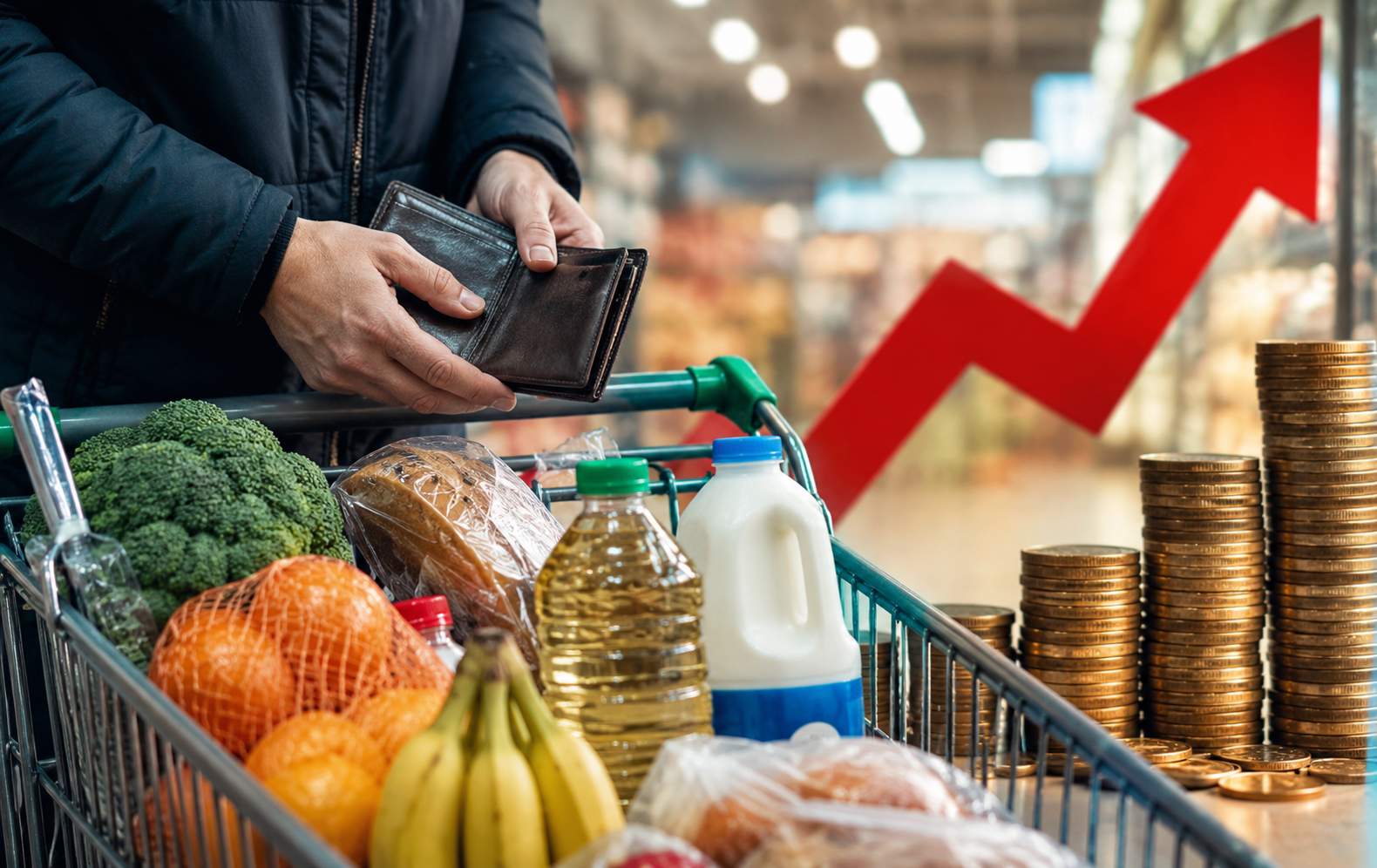
At a time when millions of households are already struggling with rising energy bills, mortgage costs, and food inflation, businesses say new packaging rules being introduced by the government could quietly add extra pressure to weekly shopping bills.
Both Prime Minister Rachel Reeves and Scotland’s First Minister John Swinney have spoken publicly about the need to reduce financial strain on families and tackle the cost of living crisis. However, critics argue that government departments are simultaneously introducing policies that could have the opposite effect.
Central to the growing controversy is the Extended Producer Responsibility scheme, commonly known as EPR, which shifts the financial burden of packaging waste management onto food manufacturers, supermarkets, and online retailers.
Supporters say the policy is necessary to improve recycling and reduce environmental damage. Businesses, however, warn that the additional costs are unlikely to remain behind the scenes for long.
What the Extended Producer Responsibility scheme means.
The Extended Producer Responsibility system follows what policymakers describe as the "polluter pays" principle.
Under the rules, companies that produce or sell packaged goods become financially responsible for the collection, sorting, recycling, and disposal of the packaging connected to their products.
Products that are more difficult to recycle or contain environmentally damaging materials face higher charges, while businesses using more sustainable packaging could see lower fees.
Environmental campaigners argue the system could reduce unnecessary plastic waste and encourage companies to redesign packaging to make it easier to recycle.
In theory, the scheme aims to create cleaner streets, lower landfill waste, and more efficient recycling systems across Britain.
However, many retailers and manufacturers say the transition is arriving at the worst possible time for consumers already battling high living costs.
Why food prices could rise in Newcastle.
Industry analysts believe businesses will eventually pass at least some of the new costs onto consumers.
The Bank of England previously estimated that EPR-related costs alone could add around 0.5 percentage points to food inflation. While that may sound relatively small on paper, economists warn that even modest increases can have a significant impact on struggling households over time.
In Newcastle and across the North East, where many families continue facing financial pressure after years of inflation and rising household expenses, concerns over supermarket prices remain particularly sensitive.
Residents across Newcastle have already seen noticeable increases in the cost of everyday essentials including milk, bread, meat, vegetables, and household products during the past two years.
For lower-income households, pensioners, and working families balancing rising rents and energy bills, another increase in food prices could deepen financial strain even further.
Local shoppers have also become increasingly aware of "shrinkflation", where products become smaller while prices remain the same or rise.
Now, many fear the latest packaging taxes could trigger another wave of higher grocery bills.
More packaging taxes could still be coming.
The controversy surrounding EPR may only be the beginning.
Additional environmental levies are reportedly being considered or expanded on products including coffee cups, takeaway soup containers, and juice cartons.
Supporters argue these measures are necessary to improve recycling rates and reduce waste heading to landfill sites.
Local authorities across the UK have largely welcomed the changes because councils are expected to receive additional funding connected to the new system.
However, critics point out there is currently no strict requirement forcing councils to spend the money directly on recycling improvements. Opponents fear some councils may instead absorb the extra funding into wider budgets to support unrelated spending pressures.
That possibility has frustrated some businesses which argue companies and consumers are effectively paying more without guaranteed improvements to local recycling infrastructure.
Retailers warn of growing pressure.
Major supermarket groups and food industry leaders have become increasingly vocal about the financial impact of the new rules.
Executives within the grocery sector say the additional charges are placing major pressure on already tight profit margins, especially after years of supply chain disruption, labour shortages, and higher energy costs.
Some businesses warn they may have little choice but to either increase prices, reduce investment, or cut costs elsewhere.
Trade bodies representing parts of the food and packaging industry have also expressed concern about the wider economic impact.
Nick Kirk, federation director at British Glass, previously warned that the new regime is already contributing to uncertainty across domestic glass production and manufacturing investment.
Industry leaders say Britain risks becoming less competitive if environmental taxes continue increasing operating costs for producers.
Environmental groups reject claims of a stealth tax.
Not everyone agrees with the industry criticism.
Sources within the recycling and environmental sector argue retailers are exaggerating the impact of the new packaging charges.
Some campaigners describe the criticism as an attempt to shift attention away from the broader causes of food inflation, including geopolitical instability, energy market disruption, and higher fertiliser costs linked to global conflicts.
According to environmental advocates, Britain has delayed meaningful recycling reform for years, leaving councils and taxpayers to cover the true cost of waste management.
Supporters of EPR argue businesses should contribute more directly to the environmental impact created by their packaging rather than relying on local authorities to manage the problem.
They also believe the long-term environmental benefits could eventually outweigh the short-term financial pain.
Newcastle businesses are watching closely.
Businesses across Newcastle are paying close attention to how the policy develops over the coming months.
Independent retailers, cafes, takeaway shops, and food suppliers throughout the city are already facing difficult economic conditions following years of inflation and rising operating expenses.
For smaller businesses in particular, additional packaging costs could prove especially difficult to absorb.
Many Newcastle hospitality venues continue battling increased wage costs, higher utility bills, and weaker consumer spending compared to pre-pandemic levels.
Some business owners fear consumers may begin cutting back further if grocery and dining costs continue rising into late 2026.
At the same time, environmentally conscious consumers in Newcastle increasingly support stronger sustainability measures and better recycling systems.
That creates a difficult balancing act between environmental responsibility and affordability.
Why the political messaging matters.
The growing debate highlights a wider political challenge facing governments across the UK.
Politicians want to be seen tackling both environmental concerns and the cost of living crisis at the same time. However, those goals can sometimes conflict in practice.
Rachel Reeves and John Swinney have both emphasised the importance of easing pressure on households. Yet businesses argue it becomes difficult to reduce food costs while simultaneously introducing new financial burdens on producers and retailers.
Critics say voters may become frustrated if politicians promise lower living costs while everyday essentials continue becoming more expensive.
Public trust around inflation remains fragile after years of rising prices and economic uncertainty.
For many families in Newcastle and beyond, the key concern is simple - whether weekly shopping bills will continue climbing despite repeated political promises to bring costs under control.
What could happen next.
The coming months are likely to bring continued arguments between environmental groups, businesses, supermarkets, and government officials over how the system should operate.
Some trade organisations are already calling for modifications to the EPR scheme, temporary suspensions of other packaging-related taxes, and wider reforms to Britain’s recycling framework.
Others believe the government should slow implementation until inflation pressures ease further.
Environmental campaigners, meanwhile, insist Britain cannot afford to delay action on packaging waste and sustainability goals.
For shoppers in Newcastle, the national political debate may ultimately come down to one thing - whether the next supermarket receipt costs more than the last one.
As food inflation continues dominating household budgets, even small increases remain deeply important to millions of consumers already trying to stretch every pound further.
Do you think new packaging taxes are necessary for the environment, or will they simply make life more expensive for Newcastle families?
Political News
New Government Charges Could Make Weekly Food Shops More Expensive
Advertisement




Comments (0)
You must be logged in to post comments.
Don't have an account? Register here
No comments yet. Be the first to share your thoughts!