
Schools, parents and catering providers across Newcastle and the wider North East are being encouraged to take part in a major government consultation that could reshape school meals for thousands of children.
The Department for Education is currently seeking feedback on proposed updates to school food standards, marking what would be the first significant overhaul of the rules in more than a decade. The consultation is designed to gather views from those directly affected by the changes before any final decisions are made.
While the proposals are national in scope, the outcome could have a significant impact on schools throughout Newcastle, Gateshead, North Tyneside, South Tyneside, Sunderland, County Durham and the wider North East, where school meal provision plays an important role in supporting children's health, wellbeing and academic performance.
The consultation has prompted calls for schools and families to make their voices heard, with concerns already emerging about how potential changes could affect both meal uptake and school budgets.
Why School Food Standards Matter.
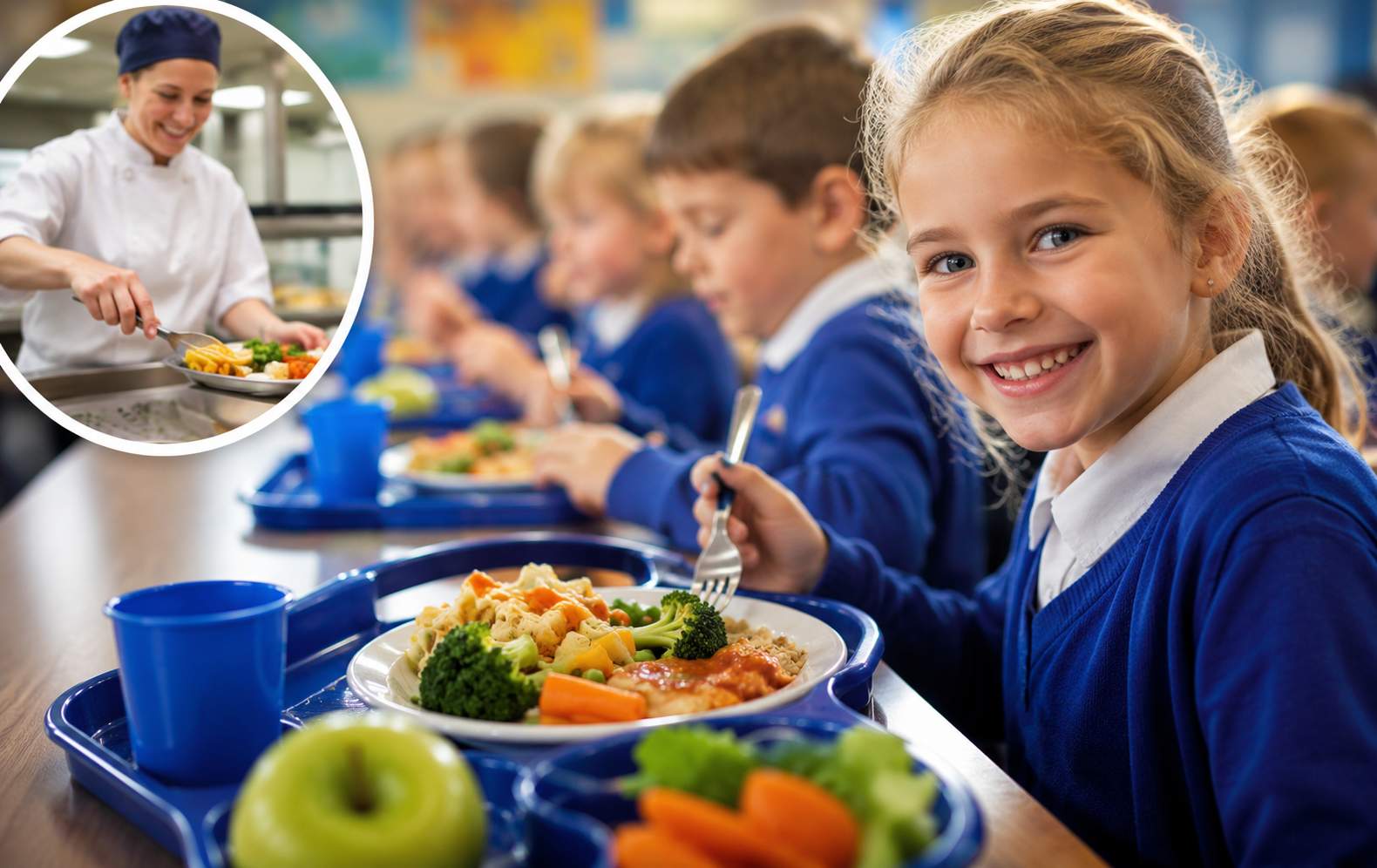
School meals play a far bigger role than simply providing lunch during the school day. For many children, particularly those from lower-income households, school meals can represent one of the most nutritious meals they receive each day.
Research has consistently shown links between healthy eating and improved concentration, behaviour, attendance and educational achievement. Nutrition experts also point to the long-term benefits of encouraging healthy eating habits from an early age.
Current school food standards were introduced to ensure pupils receive balanced meals containing essential nutrients while limiting foods high in sugar, salt and unhealthy fats. However, changing dietary guidance, rising childhood obesity levels and growing awareness of nutrition have led ministers to review whether existing standards remain fit for purpose.
The government believes updated guidance could help improve children's diets and encourage healthier choices, both inside and outside the classroom.
Councillor Calls for Local Voices to Be Heard.
The consultation has attracted attention from local politicians, education leaders and school catering providers who want to ensure any future reforms reflect the realities faced by schools and families.
Councillor Martin McCabe has urged schools, parents and catering professionals to participate in the consultation process before it closes, arguing that those working directly with children every day have valuable insights that policymakers need to hear.
He has welcomed efforts to modernise standards that have remained largely unchanged for many years but warned that any reforms must be practical and supported by sufficient funding.
According to McCabe, introducing stricter nutritional requirements without addressing financial pressures could create unintended consequences for schools already managing tight budgets.
His comments reflect concerns shared by many education professionals across the country, including those working in Newcastle and the North East.
Concerns Over Falling School Meal Uptake.
One of the key concerns raised during discussions about school food reforms is the potential impact on school meal uptake.
Recent reports from other parts of the country have highlighted situations where attempts to introduce stricter nutritional requirements have coincided with more pupils choosing packed lunches instead of school meals.
Critics argue that while healthier menus are an important goal, changes must also ensure meals remain appealing to children. If pupils reject school meals in favour of alternatives brought from home, some fear the intended health benefits may not be achieved.
This issue is particularly relevant for schools across Newcastle and the North East, where many education providers already work hard to encourage participation in school meal programmes.
School catering teams often face the challenge of balancing nutritional requirements with children's preferences, all while operating within tight financial constraints.
Industry experts say successful reform will require a careful balance between health objectives and practical implementation.
Financial Pressures Facing Schools and Catering Providers.
The debate comes at a time when schools throughout the UK continue to face significant budget pressures.
Rising food prices, increasing energy costs and higher staffing expenses have created challenges for catering providers responsible for delivering nutritious meals at affordable prices.
Many school leaders in Newcastle and across the North East have already voiced concerns about funding pressures affecting multiple areas of education. Additional requirements without corresponding financial support could place further strain on already stretched resources.
Supporters of reform argue that investing in healthier school meals can generate long-term benefits by improving children's health and reducing future healthcare costs. However, they also acknowledge that schools cannot be expected to absorb additional costs indefinitely.
As a result, many stakeholders are calling for any updated standards to be accompanied by appropriate funding and support measures.
The Wider Debate Around Child Poverty.
The consultation has also reignited broader discussions around child poverty and food insecurity.
Across Newcastle and many parts of the North East, local authorities, schools and charities continue to support families facing financial difficulties. For some pupils, school meals provide an essential safety net that helps ensure they receive regular, nutritious food.
Campaigners argue that conversations about school food standards cannot be separated from wider issues surrounding free school meals eligibility and child poverty.
Many believe that improving nutritional standards is only part of the solution and that greater attention should also be paid to ensuring all children have access to healthy meals regardless of household income.
The North East has often been at the centre of discussions around social inequality, making the outcome of this consultation particularly relevant for local communities.
What the Proposed Changes Aim to Achieve.
Although details continue to be reviewed, the proposed updates are intended to strengthen nutritional standards and encourage healthier eating habits among school-aged children.
The government hopes that modernised guidance will better reflect current understanding of nutrition and help tackle health challenges facing younger generations.
Potential benefits could include improved dietary quality, better educational outcomes and increased awareness of healthy eating among pupils.
Supporters argue that schools are uniquely positioned to influence children's eating habits and can play a crucial role in promoting lifelong health.
However, many stakeholders stress that achieving these goals will require collaboration between schools, families, local authorities and government departments.
Why Newcastle Families Should Take Part.
The consultation presents an opportunity for Newcastle parents, teachers and school leaders to influence decisions that may affect future generations of pupils.
Feedback from local communities can help policymakers understand regional challenges and identify issues that may not be immediately visible at a national level.
Whether concerns relate to affordability, menu choices, funding or implementation, participation allows those directly affected to contribute to the decision-making process.
Education experts often stress that successful policy changes are most effective when they are shaped by people with practical experience and local knowledge.
For Newcastle families, taking part in the consultation provides a chance to ensure North East perspectives are represented during an important national discussion.
A Decision That Could Shape School Meals for Years to Come.
The government's review of school food standards represents one of the most significant discussions around school nutrition in recent years.
While there is broad agreement that healthy eating should remain a priority, debate continues over how best to achieve that goal without creating unintended challenges for schools, parents and catering providers.
As the consultation deadline approaches, voices from Newcastle and across the North East are expected to play an important role in shaping the future direction of school food policy.
The decisions made in the coming months could influence what children eat at school for years to come, making this one of the most important education consultations currently taking place in the UK.
Do you think school food standards should be tightened, or should schools have more flexibility over what they serve? Share your views in the comments below.
Food & Drink News
New School Food Rules Could Affect Thousands of Newcastle Pupils
Advertisement





Comments (0)
You must be logged in to post comments.
Don't have an account? Register here
No comments yet. Be the first to share your thoughts!