
Few products are as instantly associated with their home city as Newcastle Brown Ale. With its clear glass bottle, its distinctive blue star and its famous nicknames, Newkie Brown and the Dog, it became a symbol of the city around the world. The story of how this beer came to be, and how it eventually left the city that gave it its name, is a fascinating slice of North East history.
A Beer Three Years in the Making.
Newcastle Brown Ale was launched in 1927, the creation of Lieutenant Colonel James Herbert Porter, known as Jim, a brewer at Newcastle Breweries. Porter, working alongside the firm's chemist Archie Jones, spent around three years perfecting the recipe before the beer was finally ready, varying the formula so often during development that rivals were thrown off the scent. The new brown ale was first advertised in the local press in the spring of 1927 and proved an immediate success. Brewed at the Tyne Brewery in Newcastle, it quickly found a loyal following, and a legend of the North East was born.
The Meaning of the Blue Star.
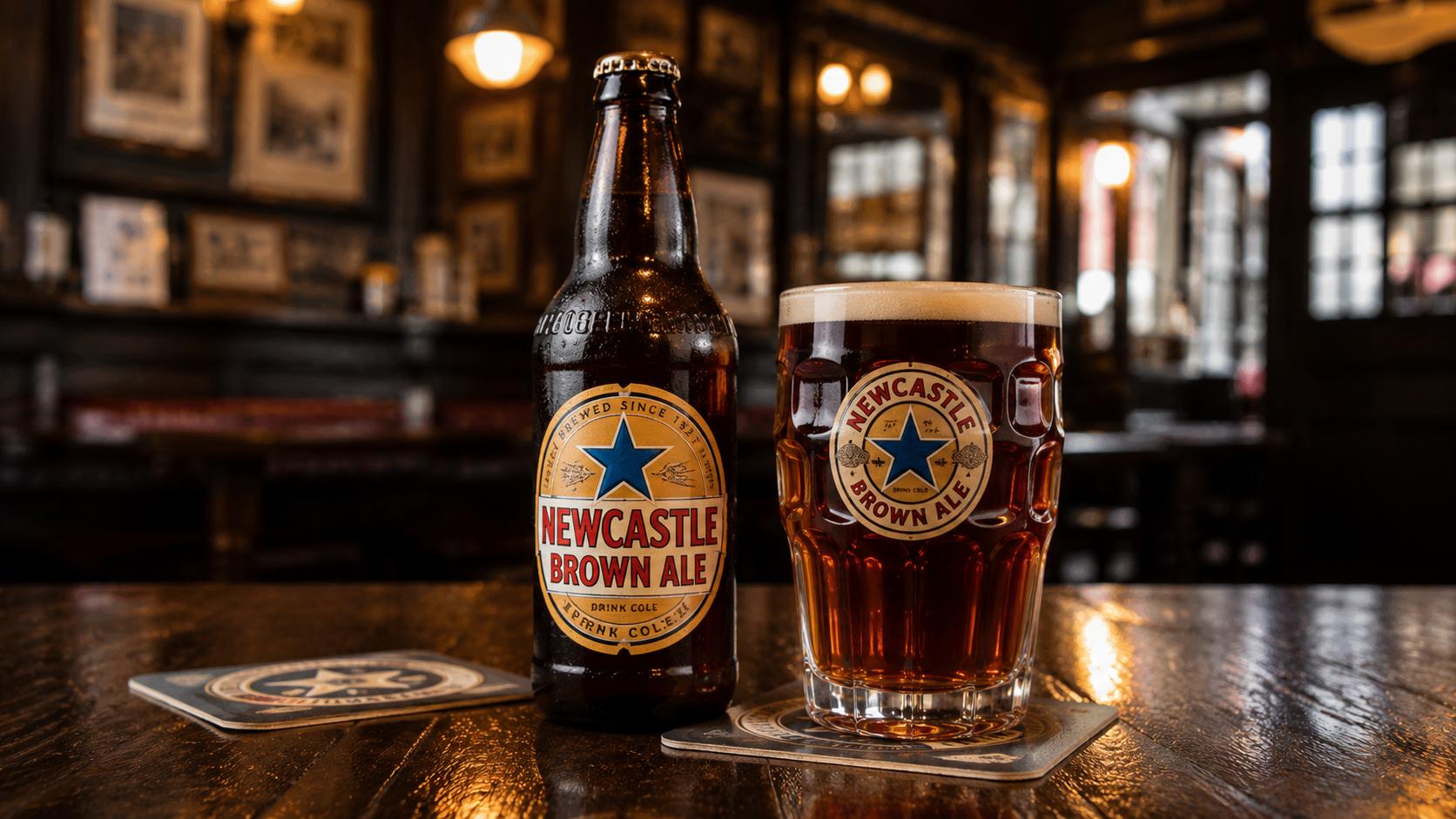
One of the most recognisable features of Newcastle Brown Ale is its blue star emblem, which appeared on the bottle from 1928. The star is rich with local meaning: its five points are said to represent the five original breweries that came together to form Newcastle Breweries. The design has become an enduring symbol in its own right, instantly recognisable and worn with pride by Geordies far and wide. Famously, the beer was also one of the first to be sold in a clear glass bottle, which became closely associated with the brand and helped it stand out on the shelf and the bar.
The Dog and Other Nicknames.
Newcastle Brown Ale has accumulated a wonderful collection of affectionate nicknames over the years, reflecting its deep place in local culture. It is widely known as Newkie Brown or simply the Broon, the latter capturing the Geordie pronunciation perfectly. Perhaps the most charming nickname of all is the Dog, which gave rise to the classic local euphemism of going to walk the dog, meaning slipping out to the pub for a bottle or two. These nicknames are a sign of genuine affection, the kind a community reserves only for things it has truly taken to its heart. The beer was traditionally served in a small schooner glass, another part of its distinctive identity.
National and Global Success.
What began as a local Newcastle beer went on to achieve remarkable national and international success. A merger in 1960 between Newcastle Breweries and Scottish Brewers gave the beer wider distribution, and its popularity in the United Kingdom peaked in the early 1970s. It enjoyed a notable revival in the late 1980s and 1990s, becoming a favourite in student unions, before going on to enormous success in export markets, particularly the United States, where it was marketed as a trendy premium import. For a beer born in a Tyneside brewery, it travelled an extraordinarily long way.
A Controversial Departure.
For decades, the link between the beer and its home city was so strong that, in 1996, it was awarded Protected Geographical Indication status, meaning it could only be brewed in Newcastle, a distinction comparable to that enjoyed by certain famous regional foods elsewhere. That cherished connection was broken in 2005, however, when production moved across the River Tyne to Gateshead, leading to the loss of the protected status and considerable upset among traditionalists. Brewing later moved further afield, to Tadcaster in Yorkshire and eventually overseas, severing the beer's physical ties to the city altogether. For many Geordies, the departure of brewing from Newcastle was a genuinely emotional moment.
A Lasting Symbol of the City.
Despite the controversy over where it is now made, Newcastle Brown Ale remains a powerful symbol of the city and its people. The blue star, the clear bottle and the affectionate nicknames endure, and for countless people around the world the beer is still synonymous with Newcastle itself. It represents a particular kind of working-class pride and identity, forged in the industrial heart of Tyneside and carried out into the wider world. Its story, from a secret recipe perfected over three years to a global icon, is a remarkable one.
Whatever the future holds for the beer, its place in the history and the affections of the North East is secure. Newcastle Brown Ale is more than a drink; it is a piece of the city's character, poured into a glass.
A Beer Woven Into Popular Culture.
Over the decades, Newcastle Brown Ale has become woven into popular culture in a way that few regional beers ever achieve. Its distinctive bottle and blue star have appeared in films, on television and in countless images of the city, while its association with Newcastle United and the wider sporting life of the region has helped cement its iconic status. For many people around the world, the beer serves as a kind of shorthand for the city itself, instantly conjuring an image of Tyneside pride and working-class character. The traditional ritual of pouring the beer into a small schooner glass, and the affectionate slang that surrounds it, are all part of a rich culture that has grown up around the drink. This cultural resonance is a large part of why feelings ran so high when brewing left the city, and why the beer remains such a potent symbol. Newcastle Brown Ale is proof that a product can transcend its function and become a genuine emblem of a place and its people, recognised far beyond the banks of the Tyne.
Get involved.
Leave a comment with your own take and pass this story on to someone who would enjoy it, especially if the Broon holds a special place in your heart.
Did the move of brewing away from Newcastle change how you feel about the Dog?
Food & Drink News
Newcastle Brown Ale: The Story of the Dog
How Newcastle Brown Ale was created in 1927, the meaning of the blue star, the nickname the Dog, and the controversy when brewing left the city.
Advertisement

Comments (0)
You must be logged in to post comments.
Don't have an account? Register here
No comments yet. Be the first to share your thoughts!