
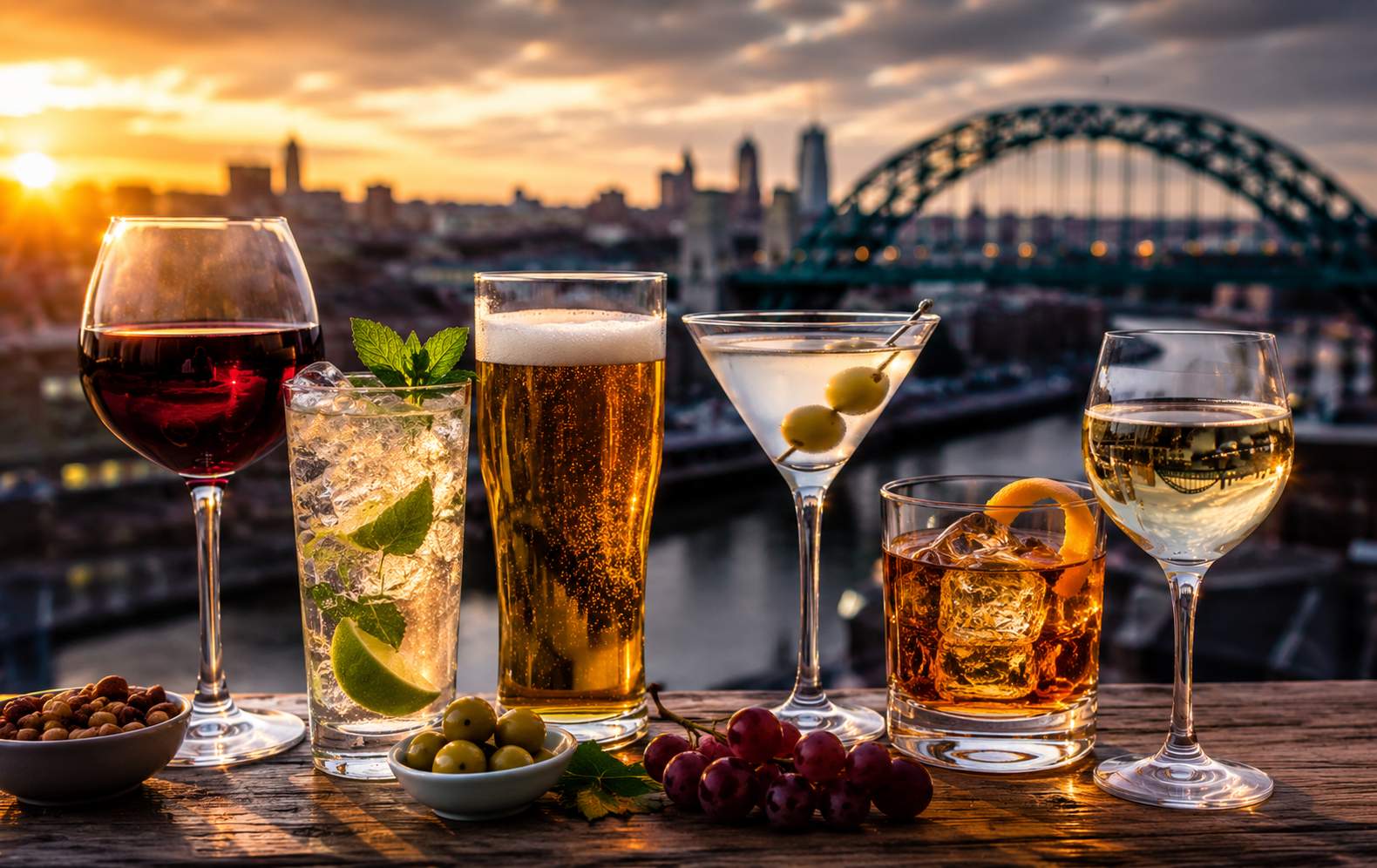
Across Newcastle, conversations around alcohol are beginning to shift. While pubs, bars and social drinking remain deeply woven into the culture of the North East, many people are now paying closer attention to what they drink and how alcohol affects their long-term health.
From trendy cocktail bars on Grey Street to independent pubs along the Quayside, lower calorie beverages and reduced sugar options are becoming increasingly popular among health-conscious consumers. Experts say there is no completely healthy alcoholic drink, but some choices may carry fewer risks when consumed in moderation.
Health professionals across the UK continue to warn that alcohol consumption is linked to a range of serious conditions including liver disease, high blood pressure, heart complications and certain cancers. Despite that, millions of adults still enjoy alcoholic beverages socially and are searching for ways to reduce the potential harm without giving up drinking entirely.
In Newcastle, where nightlife remains a major part of local culture and tourism, this growing interest in healthier alcohol choices reflects broader changes in lifestyle habits, fitness trends and wellness awareness.
Why some alcoholic beverages are considered healthier.
Nutrition experts often point out that the healthiest alcoholic drinks tend to contain fewer calories, lower sugar levels and fewer additives than heavily processed beverages. Drinks with lower alcohol by volume percentages are also generally considered less harmful because they reduce the amount of alcohol consumed overall.
Red wine is frequently mentioned in discussions about healthier alcoholic beverages. Some studies have linked moderate red wine consumption to antioxidants known as polyphenols, particularly resveratrol, which may support heart health. However, doctors stress that the potential benefits do not outweigh the risks of excessive drinking.
Clear spirits such as vodka, tequila and gin are also commonly viewed as lower calorie options when mixed with soda water or low sugar mixers. Many Newcastle bars have expanded their menus to include lighter cocktails and low sugar alternatives in response to changing customer demand.
Beer remains one of the most popular drinks in the North East, but traditional pints can contain significant calories and carbohydrates. As a result, many breweries now produce low alcohol and alcohol-free beers aimed at people seeking healthier social drinking options.
Experts emphasise that moderation is the key factor regardless of the beverage chosen. Drinking heavily, even with lower calorie alcohol, still carries serious health consequences.
Red wine continues to dominate healthy alcohol discussions.
Among all alcoholic beverages, red wine consistently appears at the centre of health-related conversations. Nutritionists often cite its antioxidant content as a reason why it is sometimes viewed more favourably than other forms of alcohol.
Several Newcastle restaurants and wine bars have reported increasing demand for organic and low sulphite red wines, particularly among younger professionals interested in wellness trends. Some consumers believe these products may cause fewer side effects such as headaches or dehydration, although scientific evidence remains mixed.
Medical experts caution against viewing red wine as a health supplement. While moderate consumption has been associated with certain cardiovascular benefits in some studies, alcohol itself is still classified as a carcinogen.
Drinking more than recommended limits significantly increases the risk of liver disease, stroke, obesity and mental health problems. NHS guidance advises adults not to regularly consume more than 14 units of alcohol per week, spread across several days.
In Newcastle hospitals, healthcare professionals continue to deal with alcohol-related admissions on a regular basis, particularly following weekends and major football events. Public health teams say awareness campaigns remain essential despite changing drinking habits.
Low calorie cocktails are growing in popularity across Newcastle.
Cocktail culture in Newcastle has evolved rapidly in recent years. Alongside classic drinks and indulgent creations, many bars now promote lighter cocktail menus featuring fresh ingredients, reduced sugar syrups and smaller measures of alcohol.
Venues across Jesmond, Ouseburn and the city centre are increasingly catering to customers who want social drinking experiences without excessive calorie intake. Bartenders say consumers are asking more questions about ingredients, sugar levels and alcohol content than ever before.
Popular lower calorie choices include vodka soda with lime, gin with slimline tonic and tequila mixed with sparkling water and citrus. These drinks typically contain fewer calories than creamy cocktails or heavily sweetened beverages.
Some bars are also introducing alcohol-free spirits and mocktails that replicate the flavour profile of traditional cocktails without the intoxicating effects. This trend has gained momentum among younger adults and fitness-focused consumers.
Industry analysts say the rise of mindful drinking reflects wider cultural changes in the UK, where wellness and moderation are increasingly influencing consumer behaviour.
Beer culture remains strong despite health concerns.
Newcastle has long held a strong connection to pub culture and beer consumption. Traditional ales, lagers and craft beers remain hugely popular throughout the region, particularly during sporting events and weekends.
However, health awareness campaigns have encouraged many drinkers to reconsider how much beer they consume regularly. Standard pints can contain substantial calorie counts, especially stronger craft beers with higher alcohol percentages.
Low alcohol and alcohol-free beers are now widely available across Newcastle pubs and supermarkets. Several local breweries have invested heavily in producing alternatives that maintain flavour while reducing alcohol content and calories.
Nutritionists note that lighter beers may reduce overall alcohol intake, but they should still be consumed responsibly. Drinking multiple low alcohol beverages can still contribute to calorie excess and unhealthy habits.
Public health officials continue to encourage moderation rather than promoting any alcoholic beverage as genuinely healthy.
The hidden risks linked to alcohol consumption.
Despite growing interest in healthier alcoholic beverages, doctors consistently warn that alcohol carries unavoidable risks. Even moderate drinking can affect the body in ways many people underestimate.
Alcohol impacts the liver, brain, heart and digestive system. Long-term excessive consumption is linked to conditions including liver cirrhosis, pancreatitis, high blood pressure, stroke and several forms of cancer.
Mental health experts also highlight the relationship between alcohol and anxiety, depression and sleep disruption. While some people drink to relax socially, alcohol can worsen emotional wellbeing over time.
In Newcastle and across the UK, alcohol-related hospital admissions continue to place pressure on NHS services. Emergency departments frequently deal with incidents linked to binge drinking, particularly among younger adults during nightlife hours.
Experts also warn about the hidden calorie content in alcoholic beverages. Many drinks contain large amounts of sugar and carbohydrates, contributing to weight gain and obesity when consumed regularly.
Another growing concern involves alcohol dependency. Health charities across the North East say more people are seeking support for problematic drinking habits, particularly since the pandemic altered social routines and stress levels for many households.
Newcastle nightlife balances entertainment with healthier habits.
Newcastle remains one of the UK's most recognised nightlife destinations. Tourists and locals continue to visit the city's bars, clubs and pubs in large numbers throughout the year.
However, industry professionals say drinking culture is gradually becoming more balanced. Many younger customers are now alternating alcoholic beverages with water, choosing lower strength drinks or avoiding alcohol altogether during nights out.
Several venues have responded by expanding alcohol-free menus and offering premium non-alcoholic alternatives. Some Newcastle bars report that mocktail sales have risen significantly over the past two years.
Fitness culture and social media wellness trends have played a major role in changing attitudes. Consumers increasingly associate moderation with healthier lifestyles, better sleep and improved mental wellbeing.
Hospitality businesses say they are adapting to these preferences while still preserving Newcastle's lively social atmosphere.
Experts say moderation remains the safest approach.
Health experts consistently agree that no alcoholic beverage is entirely risk free. While some drinks may contain fewer calories or lower sugar levels, alcohol itself still affects the body.
Dietitians recommend practical steps for reducing alcohol-related harm. These include drinking water between alcoholic beverages, avoiding binge drinking, eating before consuming alcohol and scheduling alcohol-free days during the week.
People are also encouraged to monitor unit intake carefully, especially when drinking at home where measures are often larger than standard pub servings.
For individuals with existing health conditions, doctors advise seeking medical guidance before consuming alcohol regularly. Certain medications and medical conditions can significantly increase alcohol-related risks.
Newcastle health professionals say awareness rather than fear should guide public conversations around alcohol. Many people will continue to drink socially, but informed decisions can help reduce long-term harm.
Changing attitudes toward drinking continue to shape Newcastle culture.
Across the city, attitudes toward alcohol appear to be evolving. While Newcastle's nightlife reputation remains strong, many residents are becoming more conscious of balancing social habits with personal wellbeing.
The popularity of lower calorie beverages, reduced alcohol products and alcohol-free alternatives reflects changing priorities among consumers of all ages. Health concerns, fitness trends and mental wellbeing conversations are increasingly influencing purchasing decisions.
Restaurants, pubs and bars across Newcastle are expected to continue adapting as demand for healthier choices grows. Industry analysts believe the future of drinking culture may focus less on excess and more on moderation, quality and social experience.
For now, experts continue to stress a simple message. No alcoholic beverage is completely healthy, but making informed choices and drinking responsibly can help reduce the risks linked to alcohol consumption.
Reader engagement CTA.
What do you think are the healthiest alcoholic drinks available in Newcastle today, and have your drinking habits changed in recent years?
Food & Drink News
Newcastle Drinkers Are Switching to These Lower Risk Alcoholic Drinks
Advertisement


Comments (0)
You must be logged in to post comments.
Don't have an account? Register here
No comments yet. Be the first to share your thoughts!