
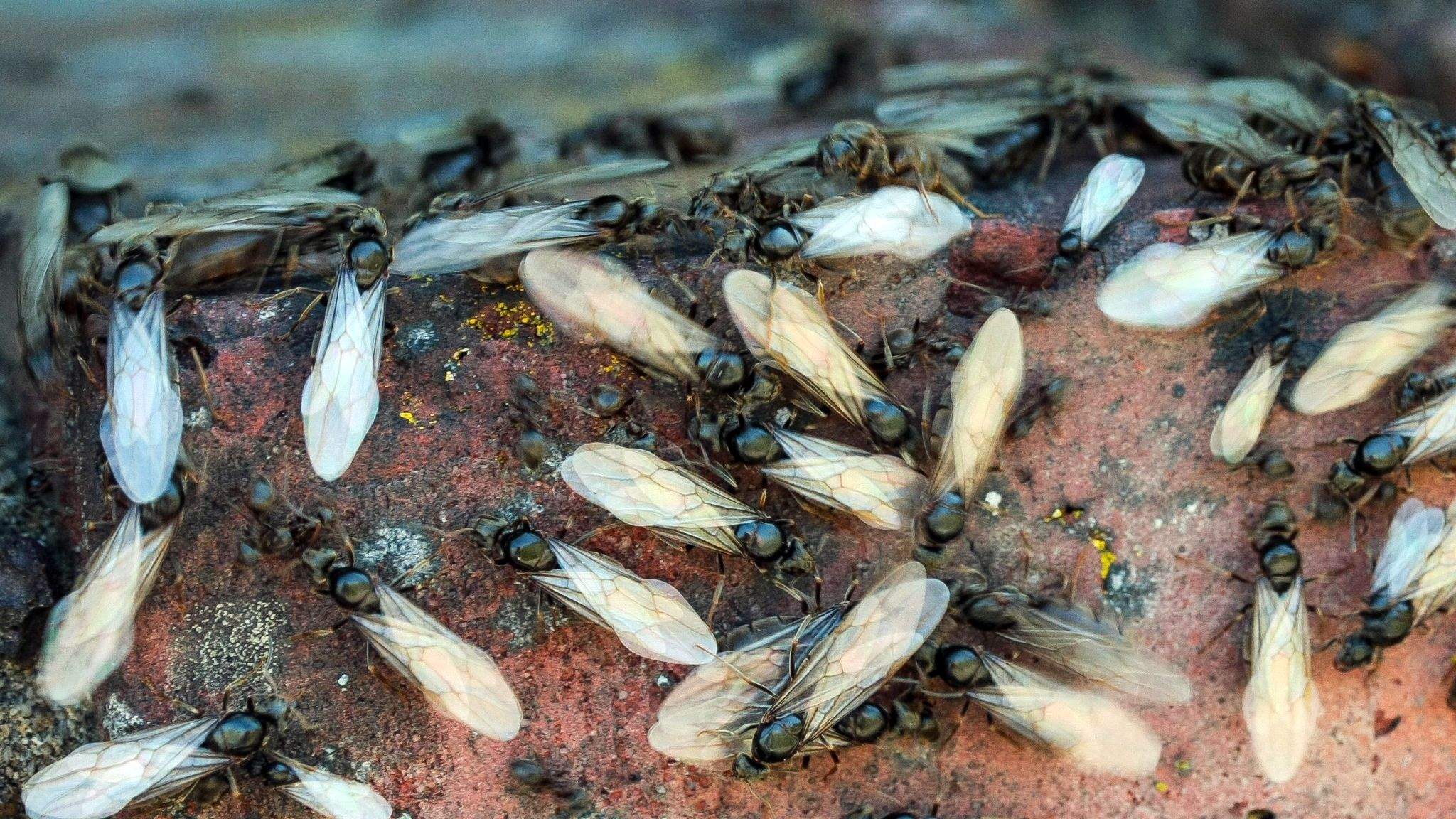
For many households across Newcastle and the North East, July brings warmer evenings, longer days and one of Britain's most talked about natural events. Flying ant season. While the sudden appearance of thousands of winged ants can be alarming, experts say there are simple ways to stop them entering your home without reaching for harsh chemicals.
Although many people still refer to it as Flying Ant Day, scientists have repeatedly explained that there is rarely just one day when the insects appear. Instead, swarms emerge over several weeks whenever warm, humid and relatively still weather creates the perfect conditions for mating flights.
In the North East, July is typically the busiest period, especially after rainfall followed by sunshine. Newcastle gardens, parks and residential streets can all experience sudden swarms lasting just a few hours before disappearing almost as quickly as they arrived.
Why flying ants suddenly appear in July.
Flying ants are not a separate species. They are reproductive males and young queens from common black garden ant colonies. Their annual mating flight allows queens to establish new colonies while helping maintain healthy genetic diversity.
The Royal Society of Biology's Flying Ant Survey helped confirm that the event is triggered by weather rather than a fixed calendar date, with activity usually peaking during July across much of the UK.
Interestingly, researchers estimate that around 90 percent of flying ant mating flights occur during July, making it by far the busiest month for sightings.
Simple ways to stop flying ants entering your home.
The good news is that flying ants rarely stay indoors for long. However, there are several practical steps homeowners across Newcastle and the North East can take to reduce the chances of an invasion.
Start by checking windows, doors and air vents for small gaps where insects can squeeze through. Even tiny cracks around window frames can provide an easy route inside.
Installing mesh fly screens is one of the simplest preventative measures, particularly if you like to keep windows open during warm weather. Experts also recommend closing windows for a few hours if a swarm is taking place nearby.
Food is another attraction. Wipe away crumbs, clean sugary spills quickly and keep fruit, pet food and sweet treats sealed in airtight containers. Empty kitchen bins regularly during warmer weather to reduce attractive smells.
Natural deterrents such as peppermint oil, cinnamon or diluted white vinegar sprayed around doorways and windowsills may also help interrupt scent trails that ants use for navigation.
If flying ants do make it indoors, vacuuming them is usually the quickest and cleanest solution.
Why Newcastle residents may notice more swarms.
Urban areas often experience slightly warmer temperatures than surrounding countryside because buildings, roads and paving absorb and retain heat throughout the day.
This urban heat effect means some towns and cities can experience flying ant activity slightly earlier than nearby rural locations when weather conditions are favourable.
Neighbourhoods across Newcastle, Gateshead, Sunderland and Durham may therefore see localised swarms even if nearby villages remain relatively unaffected.
Flying ants are annoying, but they also help nature.
Despite their reputation, flying ants perform an important environmental role.
Once new queens establish colonies, ants help improve soil quality by naturally aerating the ground, while also recycling nutrients. During swarming events they become an important seasonal food source for birds including gulls, swifts and house martins.
Experts therefore recommend avoiding unnecessary pesticide use unless ants are creating a genuine indoor infestation.
Flying ant facts you might not know.
Several surprising facts often catch homeowners off guard.
Around 90 percent of UK mating flights occur during July.
A queen black garden ant can live more than 10 years, with some estimates reaching 15 to 20 years under ideal conditions.
Flying ant swarms have been so large that weather radar has occasionally mistaken them for rainfall.
The insects usually remain airborne for only a few hours, making the nuisance relatively short lived.
What North East households should do now.
With July bringing peak flying ant activity across much of the UK, a few minutes spent sealing entry points, keeping kitchens clean and preparing windows can prevent an inconvenient swarm from entering your home.
For most households across Newcastle and the North East, patience is often the best remedy. The swarms may appear dramatic, but they are a natural part of summer and usually disappear just as quickly as they arrive.
Share your tips.
Do you have any extra tips on how to keep flying out of your house?
Lifestyle News
Newcastle Homes Facing This Years Flying Ant Season
Advertisement




Comments (0)
You must be logged in to post comments.
Don't have an account? Register here
No comments yet. Be the first to share your thoughts!