
As communities across Britain come together to mark Refugee Week, Newcastle finds itself at the centre of a wider national conversation about immigration, integration and the role local authorities should play in supporting people seeking safety in the UK.
Refugee Week, an annual event celebrated across the country, highlights the resilience, achievements and contributions of refugees and asylum seekers. Through community events, cultural activities, sporting initiatives and educational programmes, the week aims to encourage understanding and strengthen connections between established residents and those who have arrived in search of a safer future.
In Newcastle, the occasion has taken on added significance due to the city's long-standing commitment to the City of Sanctuary movement, a network of communities that promote inclusion and support for refugees and people seeking asylum. While many residents welcome these efforts, others argue that immigration pressures and housing challenges have intensified discussions about how local authorities balance compassion with practical concerns.
Newcastle's Commitment To Welcoming Refugees.
Newcastle has been recognised as a City of Sanctuary for several years, reflecting the work undertaken by local organisations, volunteers, charities and public bodies to create a welcoming environment for people rebuilding their lives after fleeing conflict, persecution or instability.
Supporters of the initiative point to countless examples of refugees contributing to local communities through employment, education, volunteering and entrepreneurship. Many have established businesses, joined community groups and become active participants in civic life across Tyneside.
City leaders have repeatedly stated that creating an inclusive city benefits everyone. Their position is that individuals who have escaped war and persecution deserve the opportunity to rebuild their lives with dignity and security while contributing positively to society.
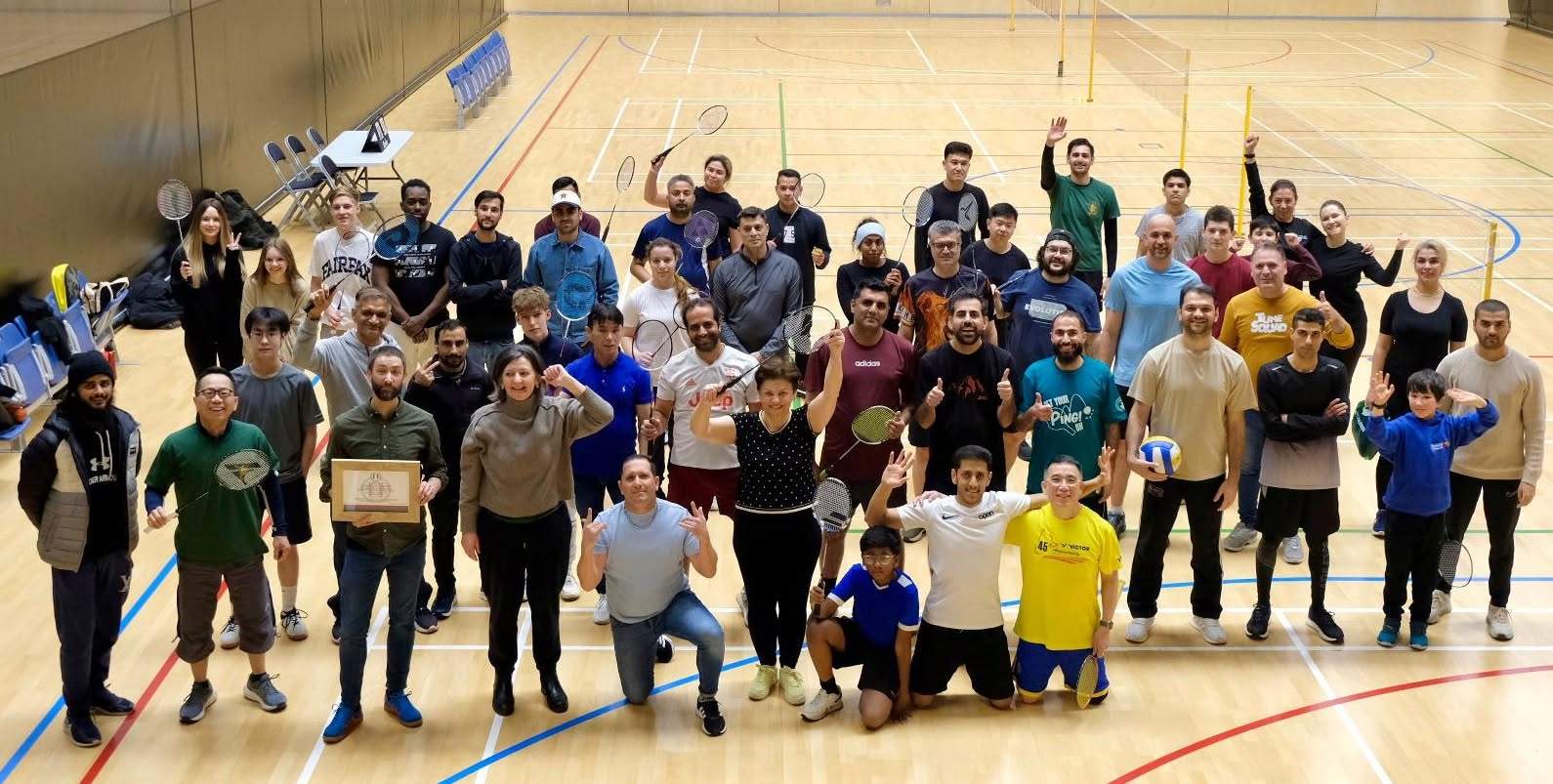
Refugee Week events taking place throughout Newcastle are expected to bring together people from diverse backgrounds through exhibitions, performances, workshops and community gatherings designed to promote understanding and celebrate cultural diversity.
Immigration Remains A Key National Issue.
The local celebrations come at a time when immigration continues to dominate political debate across the United Kingdom.
According to Home Office figures, 108,138 people claimed asylum in the UK during 2024, the highest annual total on record and an increase of 18 per cent compared with the previous year. The figure surpassed the previous peak recorded in 2002.
At the same time, the UK's asylum system continues to face significant challenges. Recent parliamentary and government data shows ongoing concerns over processing times, accommodation costs and appeal backlogs.
For many voters, immigration remains closely linked to issues such as housing availability, public services, employment opportunities and local infrastructure. Others argue that the debate should focus more on humanitarian obligations and the economic and cultural contributions made by newcomers.
This division of opinion is reflected in communities across Britain, including Newcastle, where residents hold a wide range of views on the subject.
What Does Sanctuary City Mean In The UK?.
One aspect of the debate that often causes confusion is the term "sanctuary city".
Unlike some jurisdictions in the United States, there is no formal legal status for sanctuary cities in the United Kingdom. Local councils cannot exempt individuals from national immigration law, prevent immigration enforcement activity or create separate immigration systems.
Instead, when a council or city describes itself as a "City of Sanctuary", it is making a symbolic and community-focused commitment to supporting refugees and asylum seekers through local initiatives, partnerships and services.
Legal responsibility for immigration policy remains with the UK Government and the Home Office. Local authorities have no power to override immigration legislation or grant individuals permission to remain in the country.
As a result, Newcastle's City of Sanctuary designation should be understood as a statement of values and community support rather than a legal immigration status.
The Economic And Social Impact Of Refugees.
Research and government data suggest that refugees can make significant contributions to local economies once they are able to settle, find employment and access education.
Many businesses across the UK have benefited from refugee recruitment programmes, particularly in sectors facing labour shortages. Refugees also contribute through taxation, spending within local economies and the creation of new enterprises.
The University sector, healthcare providers and charitable organisations have all highlighted examples of refugees bringing valuable skills and experience to British communities.
At the same time, experts acknowledge that successful integration requires investment. Housing, language support, employment assistance and educational opportunities are often critical to ensuring positive outcomes for both refugees and host communities.
These realities have led to ongoing discussions about how resources should be allocated and how local authorities can best support integration while addressing the needs of existing residents.
Newcastle's Role In The National Conversation.
Newcastle has long been recognised for its diverse population and strong community networks. The city has welcomed people from around the world over many decades, contributing to its reputation as one of the North East's most culturally vibrant locations.
Supporters of Newcastle's approach argue that welcoming refugees reflects the city's historic values of solidarity and mutual support. They point to numerous success stories involving individuals and families who have rebuilt their lives in the region and gone on to make positive contributions.
Critics, however, question whether local authorities should continue expanding support programmes at a time when public finances remain under pressure. Concerns are often raised about housing availability, school places and access to public services.
These competing perspectives are likely to remain part of the wider immigration debate for years to come.
Refugee Week Highlights Stories Behind The Statistics.
While immigration discussions frequently focus on numbers and policy, Refugee Week aims to highlight the human stories behind the headlines.
Government figures show that 39,616 people were granted refugee protection or other forms of leave in the UK during 2024, with around 90 per cent of those grants resulting in refugee status.
For many refugees living in Newcastle and elsewhere, these figures represent individuals who have escaped conflict zones, political persecution and humanitarian crises. Their experiences often involve years of uncertainty before being able to establish stable lives in their new communities.
Local organisers say Refugee Week provides an opportunity to build understanding between different groups and challenge misconceptions surrounding refugees and asylum seekers.
Looking Ahead.
As Refugee Week continues, Newcastle's celebrations are likely to be viewed through the lens of the broader national immigration debate.
The city's commitment to welcoming refugees reflects one side of a discussion that continues to shape political discourse across the UK. Meanwhile, ongoing concerns around asylum processing, accommodation pressures and migration levels ensure the topic remains firmly on the national agenda.
Whether residents support or oppose sanctuary initiatives, there is little doubt that immigration will remain one of the defining public policy issues facing both Newcastle and the wider country in the years ahead.
Share your thoughts.
What do you think about Newcastle's role as a City of Sanctuary and the wider UK immigration debate?
Local News
Newcastle Joins Refugee Week As UK Immigration Debate Intensifies
Advertisement



Comments (0)
You must be logged in to post comments.
Don't have an account? Register here
No comments yet. Be the first to share your thoughts!