
Ten years after the Brexit referendum, a new analysis has reignited one of the biggest political questions facing Newcastle and the wider North East: did the region lose out financially after leaving the European Union?
Research highlighted by Teesside University academic Dr Nick Gray suggests the North East received substantially less regeneration funding following Brexit than it did under previous European Union programmes. The findings have sparked fresh debate about investment, economic growth and whether replacement funding schemes have delivered on promises made during the referendum campaign.
For communities across Newcastle, Gateshead, Sunderland, Northumberland and County Durham, the issue goes beyond politics. It is about jobs, training opportunities, business support and the future of local regeneration projects.
How Much Money Did The North East Lose.
According to the analysis, areas including the North East, Cumbria and North Yorkshire received approximately £112 million per year through European Regional Development Fund and European Social Fund programmes between 2014 and 2020. After Brexit, those funding streams were replaced by the UK Shared Prosperity Fund, which delivered an average of around £77 million annually between 2022 and 2026. That represents a cash reduction of roughly 31 percent.
The gap becomes even more significant when inflation is taken into account. Rising construction costs, wage pressures and increased operating expenses mean every pound of public investment buys less today than it did a decade ago.
Dr Gray argues that the issue is not solely about the amount of money available. He says the structure of the funding has also changed dramatically. EU funding programmes typically operated over seven-year cycles with additional years for completion, allowing organisations to plan long-term projects. By comparison, post-Brexit funding has largely been distributed through shorter funding periods, creating uncertainty for councils, charities and businesses.
Newcastle's Regeneration Success Story.
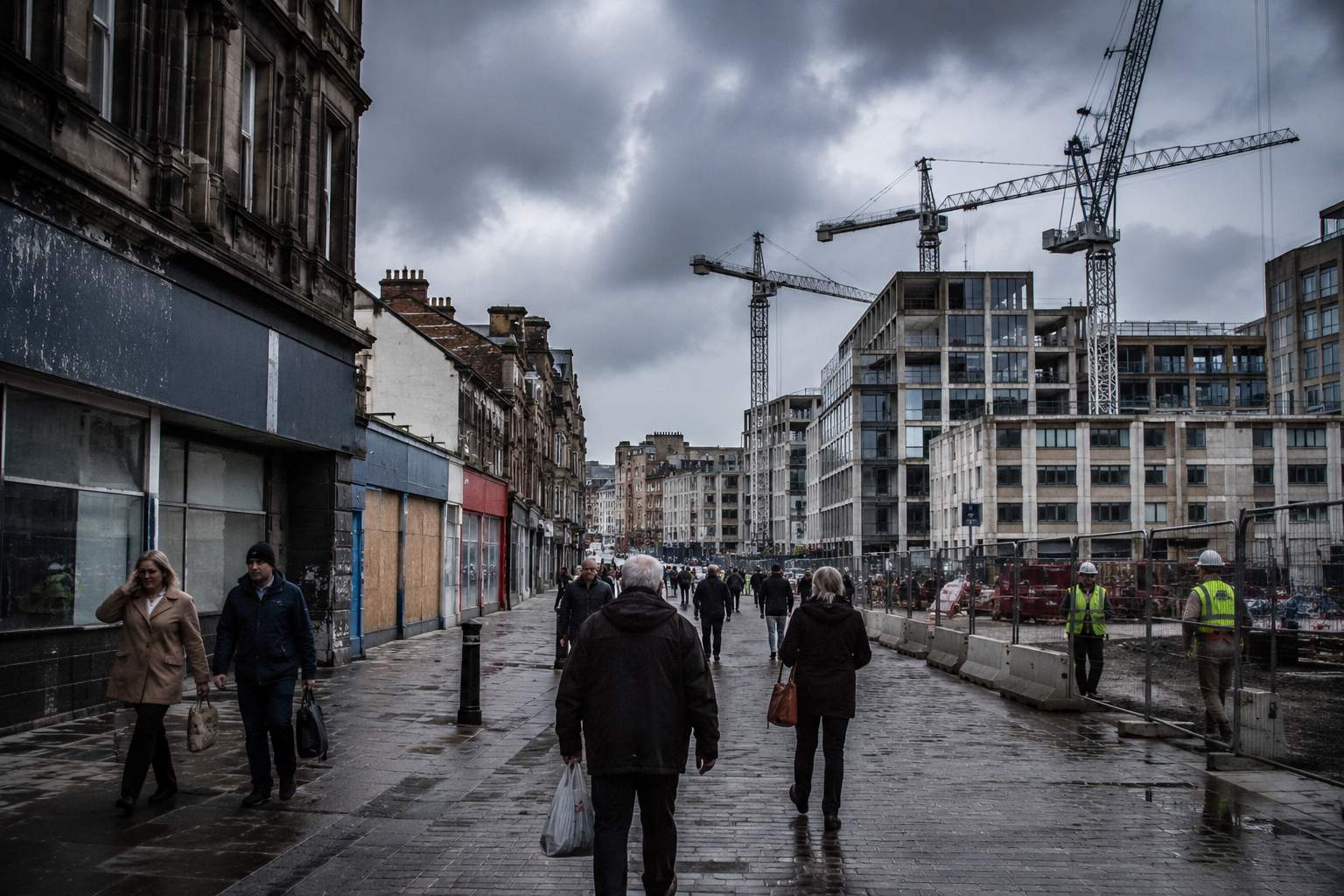
The funding debate is particularly relevant in Newcastle because European investment played a role in transforming parts of the region over several decades.
Some of the North East's most recognisable developments received support from European funding streams, including Gateshead Millennium Bridge, major waterfront regeneration schemes, business support initiatives and infrastructure improvements.
While Newcastle city centre has undergone significant redevelopment over the last twenty years, many communities still face economic challenges. According to government data, parts of Newcastle remain among England's more deprived neighbourhoods, making regeneration funding particularly important for future growth.
Investment programmes have traditionally supported projects ranging from skills training and apprenticeships to business grants, community facilities and town centre improvements. Supporters of higher regional funding argue that reducing investment risks slowing progress in areas still recovering from industrial decline.
What Replaced EU Funding.
Following Brexit, the UK government introduced the UK Shared Prosperity Fund, often referred to as UKSPF, as the domestic replacement for EU structural funds.
Government documents show the UKSPF was designed to support local priorities through three main themes: communities and place, local business support, and people and skills. The programme initially provided £2.6 billion nationally and was later expanded to £3.5 billion across its funding period.
Within the North of Tyne area, covering Newcastle, North Tyneside and Northumberland, more than £51 million was allocated through the programme. Independent evaluations found the funding supported dozens of projects focused on economic growth, workforce skills, community development and business support.
The North of Tyne programme alone backed more than 50 projects across multiple investment priorities and generated additional funding opportunities beyond the original allocation.
Supporters And Critics Remain Divided.
Critics argue that Brexit has resulted in a clear reduction in resources reaching the North East. They point to the funding gap and argue that promises made during the referendum campaign have not been fully delivered.
Supporters of Brexit offer a different perspective. They argue that funding decisions are now made within the UK rather than through European institutions and that local leaders have greater influence over how money is allocated. They also point to concerns that previous EU funding systems were often bureaucratic and slow to deliver projects.
The debate has become increasingly complex because the government has now moved beyond UKSPF, introducing new schemes including the Local Growth Fund and the Pride in Place Programme.
What Happens Next For Newcastle.
The future of regional investment may be just as important as the debate over past funding levels.
The government recently announced substantial investment through newer programmes aimed at tackling regional inequality and boosting economic growth. At the same time, Newcastle continues to compete for funding linked to housing, transport, innovation and skills development.
Universities across the North East have also welcomed recent investment aimed at strengthening the region's innovation economy, including funding designed to support business growth and job creation.
For Newcastle residents, the key question is not simply whether Brexit reduced funding. It is whether future investment programmes can generate the jobs, opportunities and regeneration needed to help the city and wider North East compete with other regions across the UK.
Ten years on from the referendum, that debate remains far from settled.
The Numbers Behind The Debate.
EU funding averaged approximately £112 million annually across the wider region between 2014 and 2020.
UK Shared Prosperity Fund support averaged approximately £77 million annually between 2022 and 2026.
This represents a cash reduction of around 31 percent.
The North of Tyne area received more than £51 million through UKSPF programmes.
UKSPF provided up to £3.5 billion nationally between 2022 and 2026.
More than 50 projects were supported across Newcastle, Northumberland and North Tyneside.
Have your say.
Political News
Newcastle Region Lost Out After Brexit, Analysis Says
Advertisement


Comments (0)
You must be logged in to post comments.
Don't have an account? Register here
No comments yet. Be the first to share your thoughts!