
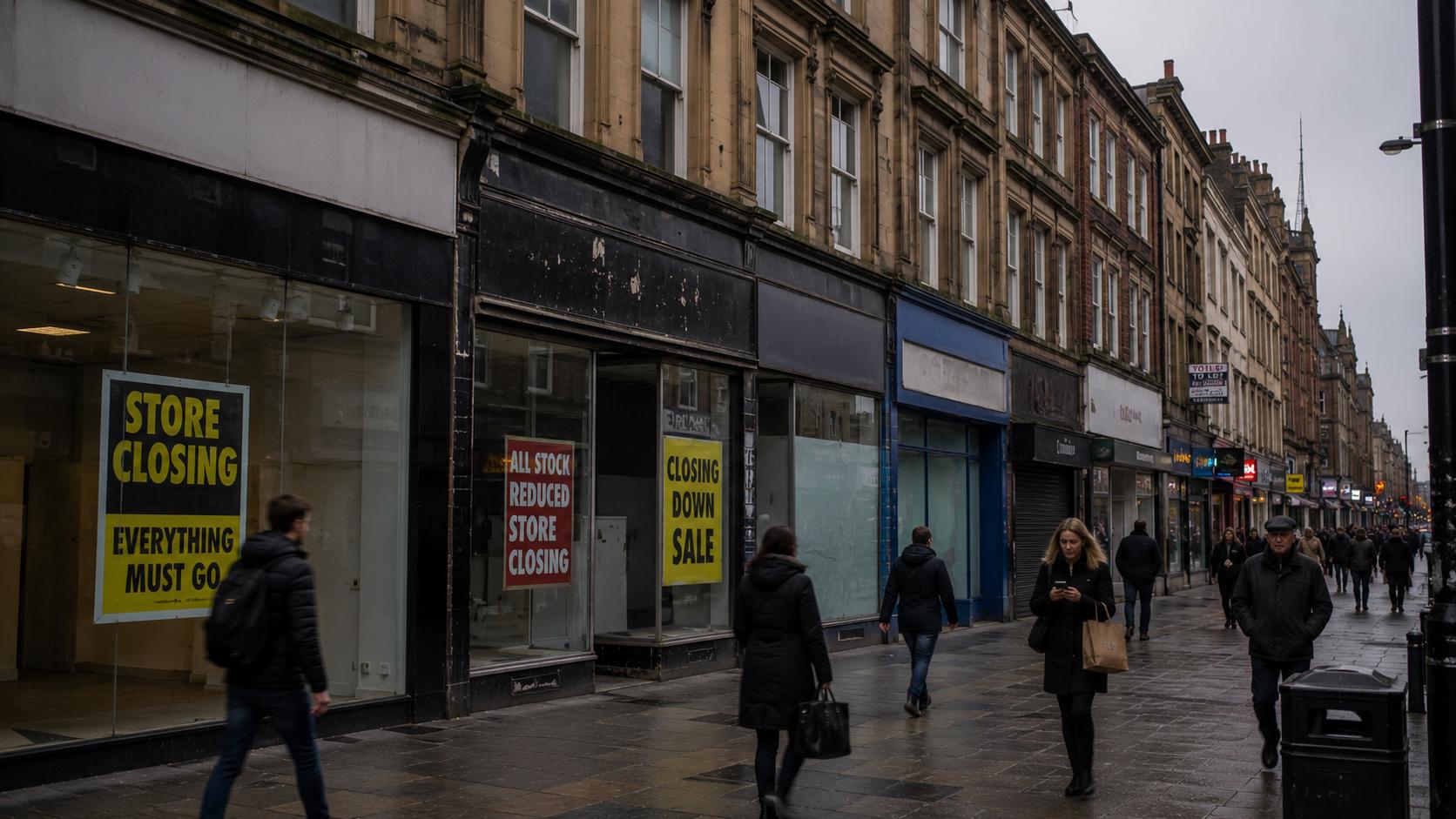
Walking through Newcastle city centre today, it is easy to spot a mixture of thriving businesses alongside vacant retail units waiting for new tenants. While popular locations such as Eldon Square and Northumberland Street continue attracting major brands and thousands of shoppers every day, other parts of the city are still dealing with the lasting effects of changing shopping habits.
The sight of empty shopfronts has become a talking point for many residents. Some believe the city centre is recovering well, while others feel there are still too many vacant premises compared with a decade ago. The reality sits somewhere between the two.
Like most UK cities, Newcastle has experienced significant changes since the pandemic, with online shopping, rising business costs and changing consumer behaviour reshaping Britain's high streets.
Newcastle is recovering, but challenges remain.
There are positive signs that Newcastle's retail sector is moving in the right direction.
Industry data showed that the vacancy rate for prime retail units in Newcastle city centre fell from around 21.1 percent in 2021 to approximately 10 percent during 2023, helped by the arrival of retailers including Mango, Rituals and several independent businesses. The improvement reflected renewed confidence in some of the city's busiest shopping areas.
At the same time, Newcastle City Council continues to publish quarterly data showing empty commercial properties across the city, giving investors and businesses an up to date picture of available premises. The latest figures were released in May 2026, highlighting that vacant commercial units remain spread across different parts of Newcastle rather than being concentrated in one location.
This means visitors are likely to notice empty shops in some streets, while neighbouring areas remain almost fully occupied.
Why are retailers leaving some locations?
Several factors continue influencing whether retailers remain on the high street.
Rising operating costs, including energy prices, business rates and wage increases, have placed additional pressure on independent retailers. Many businesses have also shifted towards smaller stores supported by online sales rather than relying entirely on physical locations.
Consumer habits have changed too.
According to national retail research, online shopping now accounts for around one quarter of all UK retail sales, significantly higher than before the pandemic. As shoppers increasingly browse online first, retailers have become more selective about where they operate physical stores.
Rather than opening multiple branches across every city, many national chains now concentrate on flagship stores in the busiest retail destinations.
Newcastle continues investing in regeneration.
Despite empty units remaining visible in some areas, Newcastle has several major regeneration projects that aim to attract more businesses and visitors.
The transformation of Pilgrim Street, improvements around Blackett Street, investment in Grainger Market and upgrades to public spaces are all designed to increase footfall while making the city centre more attractive for retailers and hospitality businesses.
The new HMRC offices alone have brought thousands of workers back into the city centre during weekdays, creating increased demand for cafés, restaurants and convenience retailers nearby.
Many commercial property experts believe mixed-use developments combining offices, leisure, housing and retail will become increasingly important in Newcastle's future rather than relying solely on traditional shopping.
Newcastle is not facing this challenge alone.
Newcastle is far from unique.
Across the UK, city centres continue adapting to a retail landscape that looks very different from ten years ago.
Recent research by Centre for Cities found that vacancy rates vary significantly depending on local spending power and the amount of retail space available. Some cities have more retail units than current demand can support, while places with stronger economies generally maintain lower vacancy levels.
The research also suggests that successful city centres increasingly rely on restaurants, cafés, entertainment venues and residential developments rather than shopping alone.
This trend is becoming increasingly visible across Newcastle, where leisure destinations continue attracting visitors long after traditional retail stores close for the day.
What could Newcastle's high street look like in the future?
The future of Newcastle city centre is unlikely to involve filling every vacant shop with another retailer.
Instead, many experts believe flexible workspaces, independent businesses, food venues, health services and leisure attractions will become more common uses for former retail units.
This approach has already proved successful in several UK cities where former department stores have been converted into offices, apartments or entertainment venues, helping maintain activity throughout the day and evening.
For Newcastle, the combination of ongoing regeneration, strong visitor numbers and continued investment provides reasons for cautious optimism, even if some empty units remain part of the city's changing landscape.
The city centre may look different from the one many people remember, but its future could ultimately become more diverse, resilient and better suited to modern lifestyles.
Share your views.
Have you noticed more empty shops in Newcastle city centre, or are things improving?
Local News
Newcastle's Empty Retail Units Tell a Bigger Story
Advertisement



Comments (0)
You must be logged in to post comments.
Don't have an account? Register here
No comments yet. Be the first to share your thoughts!