
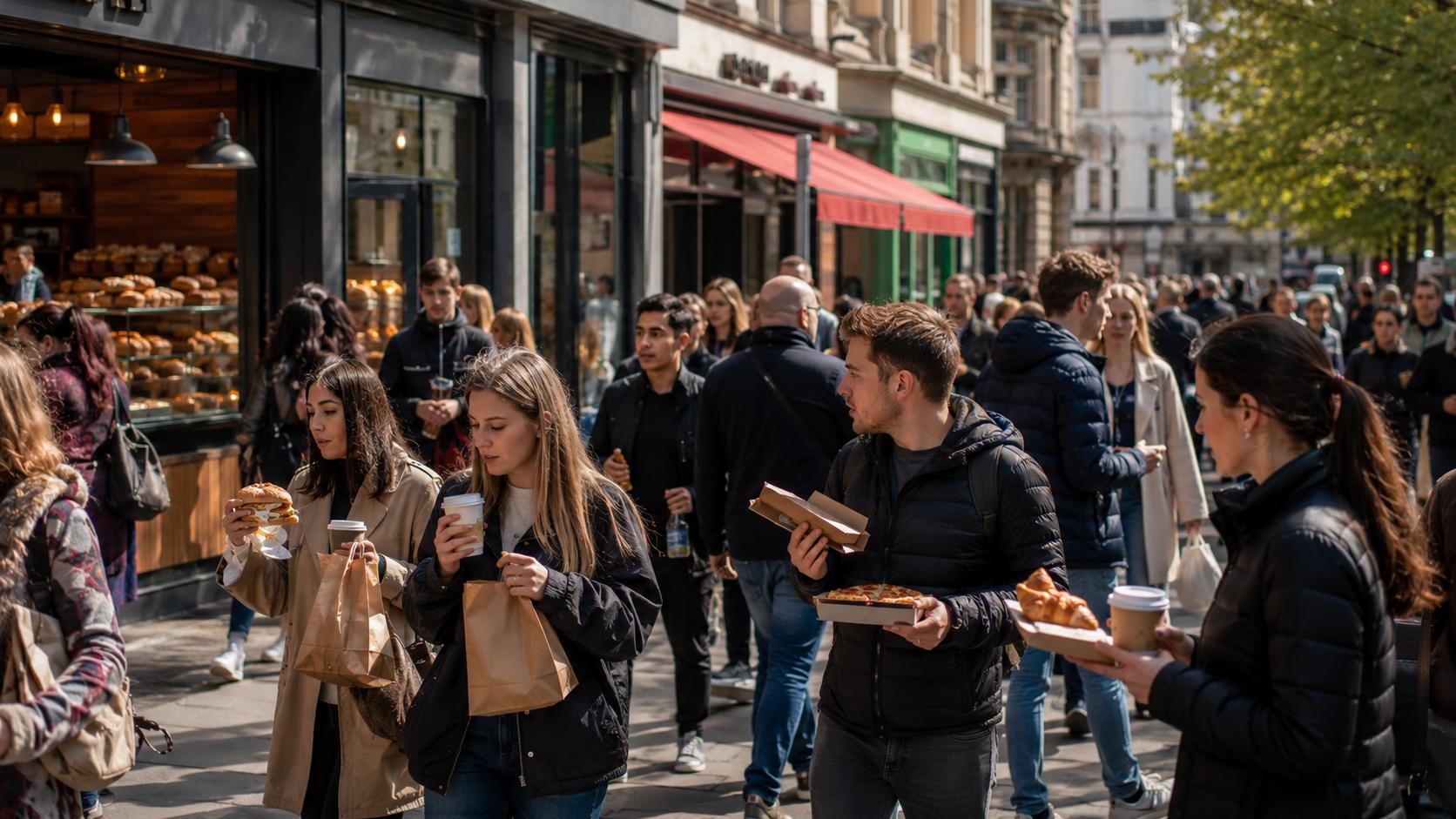
Whether it's a sausage roll on the way to work, a coffee and cake during lunch, or a burger after a long day, millions of Britons regularly grab food from the high street without giving much thought to what's actually inside it.
Across Newcastle and the wider North East, familiar names including Greggs, McDonald's, KFC, Starbucks, Costa Coffee and bakery chains remain hugely popular. While enjoying these foods occasionally is unlikely to cause problems, nutrition experts say many everyday favourites contain far more calories, salt and saturated fat than most people realise.
Research published in 2024 found that more than 75 percent of bestselling meals sold by major UK takeaway, restaurant and coffee chains were classified as unhealthy under government nutrition guidelines.
Greggs remains a North East favourite.
Founded in Gosforth, Newcastle, Greggs has become one of Britain's biggest food-to-go retailers, with more than 2,500 shops nationwide.
Many of its products can fit into a balanced diet, but some of the bakery's best sellers are surprisingly high in calories. A traditional sausage roll contains around 330 calories, while steak bakes, chicken bakes and sweet pastries can easily push a quick lunch beyond 700 calories once a drink and snack are added.
Greggs has increased its healthier options in recent years, but its classic pastries remain among the chain's biggest sellers.
Coffee shop treats can rival a full meal.
Many people believe grabbing a coffee is one of the healthier options on the high street.
However, flavoured coffees topped with whipped cream, combined with muffins, cookies or caramel slices, can quickly exceed 800 calories in a single visit. Some large speciality drinks also contain more sugar than the recommended daily amount for an adult.
Nutrition experts often recommend choosing regular coffee, tea or reduced sugar alternatives where possible if you're visiting chains regularly.
Burgers and fries quickly add up.
Fast food remains one of Britain's most popular convenience meals.
A large burger meal with fries and a sugary soft drink can comfortably exceed 1,200 calories depending on the restaurant and menu choices. Add desserts or milkshakes and the total climbs even higher.
Government-backed nutrition guidance recommends adults consume around 2,000 calories per day for women and 2,500 for men, meaning one takeaway meal can account for well over half of a day's energy intake.
Fried chicken is often higher in salt than expected.
Crispy chicken meals are another lunchtime and evening favourite across Newcastle.
While chicken itself is a lean source of protein, deep frying and seasoned coatings significantly increase calories, fat and sodium. Large sharing buckets, loaded fries and dipping sauces can contain several times more salt than recommended in a single sitting.
High salt consumption has long been linked with increased blood pressure and greater risk of cardiovascular disease.
Bakery breakfasts can be surprisingly heavy.
Breakfast pastries are often viewed as a lighter alternative to cooked breakfasts.
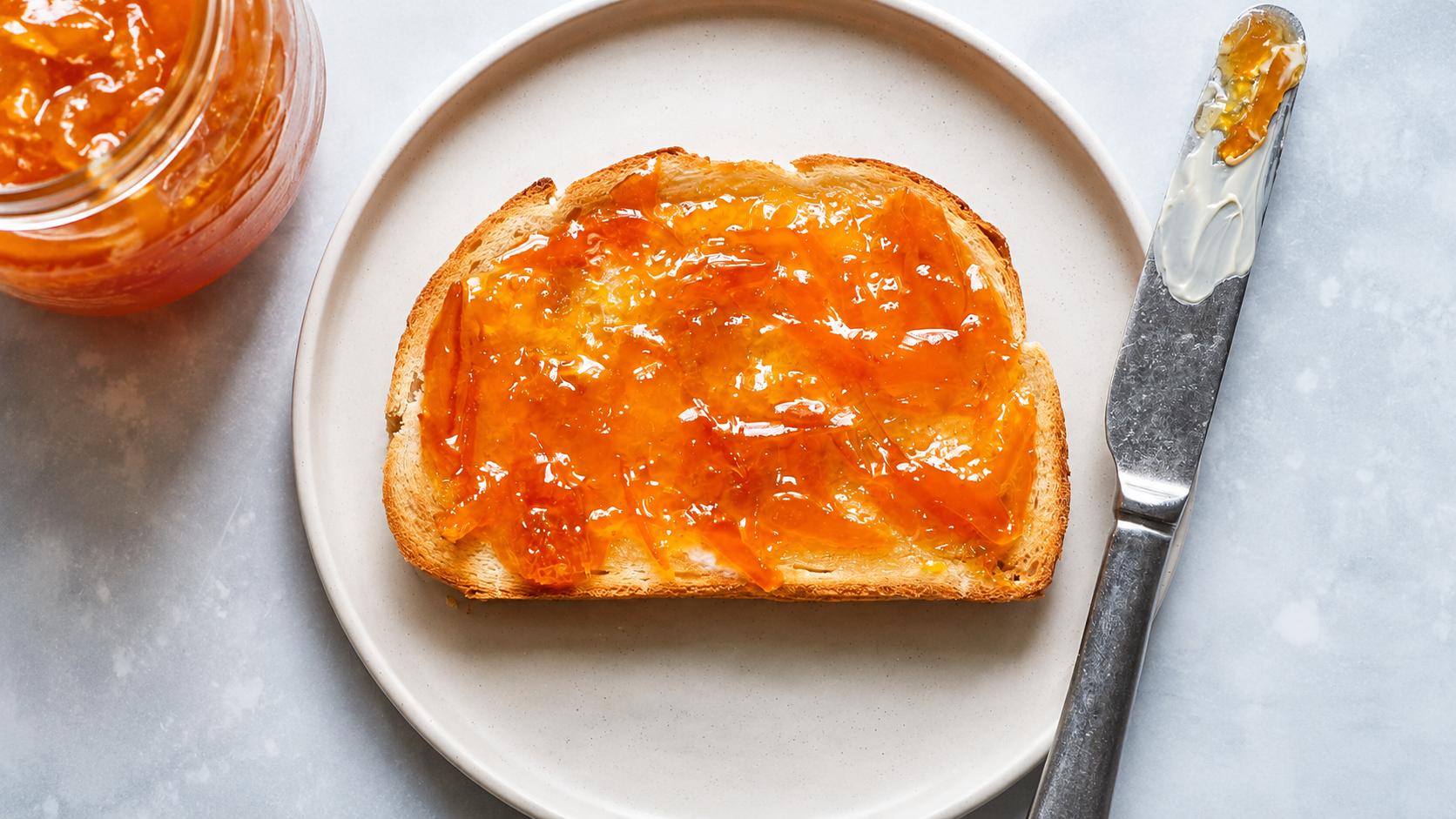
In reality, croissants filled with chocolate, bacon sandwiches, sweet pastries and iced buns can contain similar calorie levels to a traditional fry-up while offering far less fibre and protein to keep people feeling full.
Pairing these items with sugary coffees creates a breakfast that can exceed half of an average adult's daily sugar recommendation before midday.
Why it matters for the North East.
Health data shows obesity continues to be a significant challenge across England, with around 66 percent of adults now overweight or living with obesity, including around 30 percent who are classified as living with obesity.
Closer to home, Newcastle's Director of Public Health has highlighted particularly high childhood obesity rates, with around 28 percent of Reception children and 42 percent of Year 6 pupils living with excess weight.
These figures are influenced by many factors including income, lifestyle, physical activity and access to healthy food, rather than individual meals alone.
Enjoying treats without giving them up.
Nutritionists are not suggesting people should stop visiting their favourite restaurants, cafes or bakeries altogether.
Instead, simple swaps such as choosing water instead of fizzy drinks, avoiding upsizing meals, sharing desserts or selecting lower calorie menu options can make a meaningful difference over time.
The occasional Greggs sausage roll or coffee shop cake is unlikely to harm your health. It is the regular habit of choosing high calorie, high fat and high sugar foods that gradually adds up over months and years.
Join the conversation.
Which high street food do you think is the hardest to resist in Newcastle?
Food & Drink News
Newcastle's Unhealthiest High Street Food Revealed
Advertisement



Comments (0)
You must be logged in to post comments.
Don't have an account? Register here
No comments yet. Be the first to share your thoughts!