
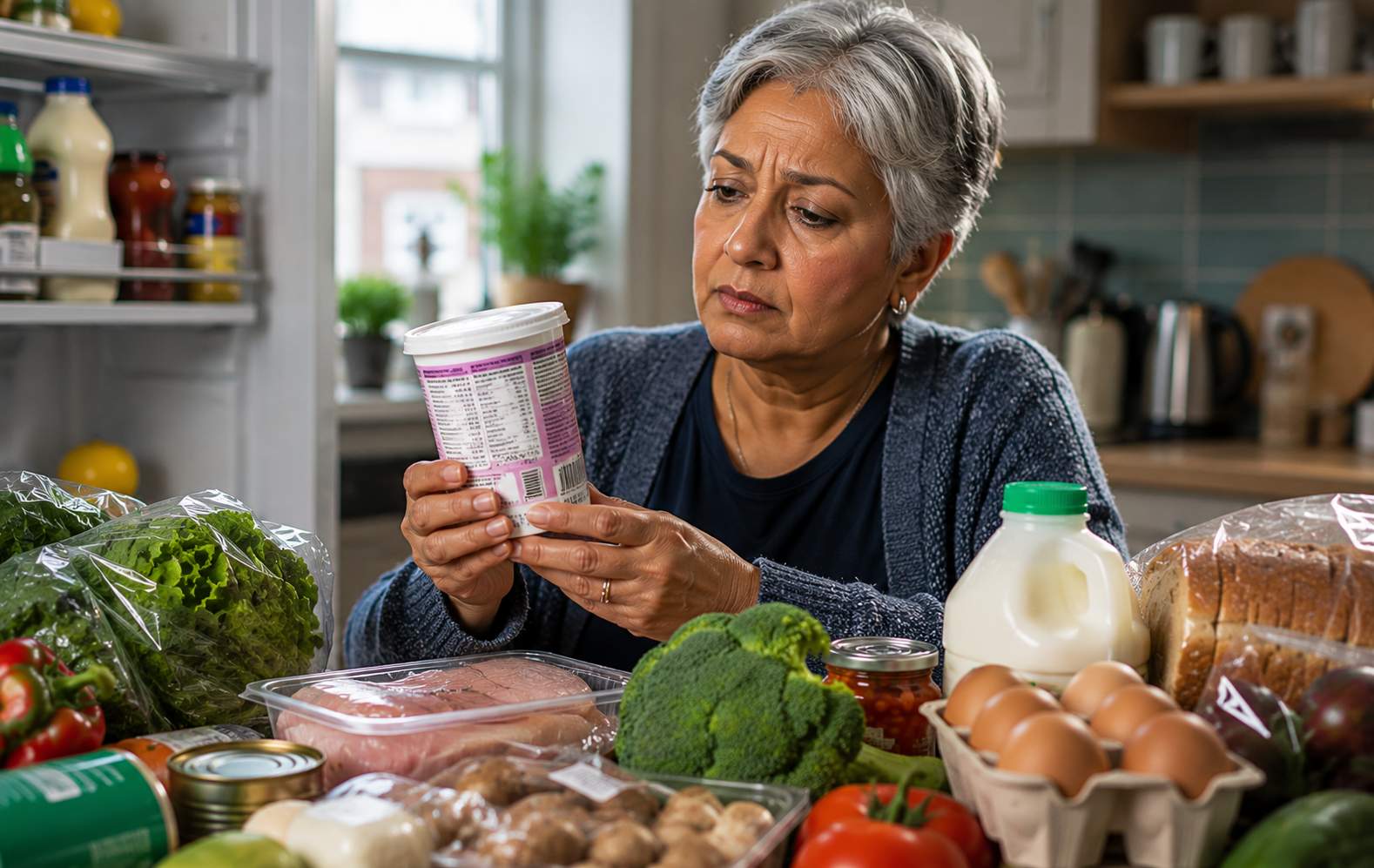
Many shoppers check food packaging dates every day, but not everyone knows what those dates actually mean. Some people throw food away as soon as the printed date passes, while others are happy to use their own judgement, especially when money is tight and grocery bills keep rising.
For Newcastle households, understanding food date labels can make a real difference. Knowing the difference between a use-by date, a best-before date and a sell-by date could help families avoid unnecessary waste, shop more confidently and make better use of supermarket reductions in the city centre.
Food waste remains a major issue across the UK. WRAP has estimated that households are responsible for around 60% of UK food waste, with edible food worth billions of pounds thrown away every year. The House of Commons Library has also previously estimated that edible household food waste can cost around £1,000 a year for a family of four.
At a time when many residents are looking for simple ways to cut everyday spending, food labels are more than small print. They can be the difference between wasting money and making meals go further.
Why Food Date Labels Cause So Much Confusion.
Food packaging can be surprisingly confusing. A single item might include a printed date, storage instructions, freezing guidance and advice about when to eat it once opened. For busy shoppers, it is easy to assume all dates mean the same thing.
That confusion leads many people to throw away food that may still be safe to eat. Best-before dates are often mistaken for safety warnings, even though they usually relate to quality. Meanwhile, use-by dates are sometimes ignored, even though they are the labels that matter most for food safety.
Understanding the difference is especially useful for people buying reduced food. A yellow-sticker item can be a bargain, but shoppers need to know whether it should be eaten quickly, frozen the same day or simply stored correctly for later.
What Does a Use-By Date Mean.
A use-by date is the most important date on food packaging because it relates to safety. It is commonly found on foods that can spoil quickly, such as fresh meat, fish, cooked meats, ready meals, soft cheeses, prepared salads and some dairy products.
Food should not be eaten after its use-by date, even if it looks fine or smells normal. Harmful bacteria cannot always be seen, smelled or tasted, which is why food safety guidance treats use-by dates seriously.
The key rule is simple. If a product has a use-by date, eat it before that date or freeze it before the date passes. Once frozen safely, it can be kept for later, although quality may gradually decline over time.
This is particularly important for Newcastle shoppers picking up reduced meat, fish or chilled ready meals. If the label says use by today, the safest approach is to cook it that day or freeze it as soon as possible.
What Does a Best-Before Date Mean.
A best-before date is different because it is about quality, not safety. It tells shoppers when a product is expected to be at its best for taste, texture, appearance or freshness.
Foods with best-before dates often include pasta, rice, biscuits, cereals, crisps, chocolate, tinned goods, frozen food and many bakery products. These items may still be safe to eat after the date has passed, provided they have been stored correctly and the packaging is not damaged.
A packet of biscuits may lose some crunch. Cereal may become less crisp. Chocolate may develop a white bloom on the surface. These changes can affect quality, but they do not always mean the food is unsafe.
For best-before products, shoppers should check the item carefully. If it smells normal, looks normal, has been stored properly and shows no signs of mould, damage or contamination, it may still be perfectly usable.
What Does a Sell-By Date Mean.
Sell-by dates are less common on UK food packaging today, but shoppers may still occasionally see them. These dates are mainly used by retailers for stock control.
A sell-by date helps supermarket staff rotate products and manage shelves. It is not usually intended as a direct instruction to customers about when food becomes unsafe.
For shoppers, the more important labels are use-by and best-before. If a product has a use-by date, that should be followed for safety. If it has a best-before date, the product may still be usable after the date, depending on condition and storage.
How Long After the Date Is Food Safe to Eat.
There is no single answer because it depends on the type of food and the type of date.
Food with a use-by date should not be eaten after the date has passed. That applies even if the food looks and smells acceptable. If it was frozen before the use-by date, it can be kept and used later, following cooking and defrosting instructions.
Food with a best-before date may last much longer. Dried pasta, rice and tinned foods can often remain usable for months beyond the printed date if sealed and stored properly. Biscuits, crackers and cereals may also last beyond the date, although quality may decline.
Frozen food may remain safe after its best-before date, but it can suffer from freezer burn or texture changes. In many cases, it is still suitable for soups, stews, sauces or cooked meals where perfect texture matters less.
Bread is another common example. If it is past its best-before date but has no mould, it may still be toasted, turned into breadcrumbs or used in cooking. If mould appears, it should be thrown away.
Newcastle Shoppers Are Using Reduced Sections to Beat Rising Food Costs.
For many Newcastle residents, understanding food dates has become an important money-saving skill. Reduced sections are no longer just an afterthought for bargain hunters. They are now part of the weekly routine for shoppers trying to stretch their budgets.
In the city centre, shoppers often check stores such as Sainsbury’s on Northumberland Street, Marks & Spencer and Tesco Express on Percy Street for discounted items nearing their printed dates. Many regular shoppers report finding useful reductions around late afternoon on weekdays, with around 4pm often seen as a good time to look, although markdown times can vary depending on stock levels, staffing and individual store routines.
The best bargains are often found on fresh food with short shelf lives. These can include sandwiches, salads, cooked meats, bakery items, ready meals, dairy products, fruit, vegetables and chilled desserts. Some items may be suitable for dinner that evening, while others can be frozen for later.
For anyone shopping in Newcastle after work, a quick visit to the reduced section can sometimes cut the cost of an evening meal. A reduced ready meal, discounted vegetables or marked-down bakery item can be useful for households trying to avoid expensive takeaways.
The important thing is to check the label carefully. A reduced item with a use-by date of the same day needs to be eaten or frozen promptly. A product with a best-before date may have more flexibility, depending on what it is and how it has been stored.
How Supermarkets Reduce Food Close to Expiry.
Supermarkets reduce food close to its date to avoid waste and recover some value from stock that may otherwise be discarded. Most stores use a staged markdown system, meaning the discount can increase as the day goes on.
Early reductions may be modest, perhaps 20% or 30% off. Later reductions can be much bigger, sometimes reaching 50%, 75% or more. The largest reductions are often found near closing time, but waiting too long can mean the best items have already gone.
Different supermarkets handle reductions in different ways. Some apply yellow stickers at set times, while others adjust prices depending on how much stock remains. Larger stores may have more choice, but smaller city-centre convenience stores can still offer strong reductions on sandwiches, chilled meals and bakery items.
For Newcastle shoppers, the best approach is to learn the rhythm of local stores. Someone passing through Northumberland Street, Percy Street or Eldon Square regularly may start to notice when reduced shelves are most likely to be filled.
Why Supermarkets Are Removing Best-Before Dates.
Several major supermarkets have removed best-before dates from some fruit and vegetable lines in recent years to reduce food waste. The idea is to encourage shoppers to use sight, smell and touch rather than automatically throwing produce away because of a printed date.
This matters because fresh produce is one of the most commonly wasted food categories. Apples, carrots, potatoes, onions and other loose items can often remain usable beyond a printed date if stored well.
Removing dates from some produce also encourages people to think more carefully about what food actually looks and feels like. A slightly soft carrot may still be fine in soup. Overripe bananas can be used in baking. Tomatoes that are no longer salad-perfect may still work well in sauces.
For households trying to save money, this shift can be helpful. It encourages people to cook with what they already have rather than replacing food too quickly.
The Foods People Waste Most Often.
The foods most commonly wasted in UK homes include bread, milk, potatoes, salad, fruit, vegetables and leftovers. These are everyday staples, which means the cost adds up quickly.
Bread is often thrown away because it goes stale before the loaf is finished. Freezing half a loaf can prevent waste. Milk is wasted when households buy more than they need or forget what is already in the fridge. Potatoes are often discarded when they sprout, even though small sprouts can usually be removed if the potato is otherwise firm and sound.
Bagged salad is another frequent problem because it spoils quickly once opened. Buying smaller bags, using salad earlier in the week and storing it properly can reduce waste.
Leftovers are also a major issue. Many people put extra food in the fridge with good intentions, then forget about it. Labelling containers or planning a leftovers night can help make sure cooked food gets eaten.
How to Store Food So It Lasts Longer.
Good storage habits can make food last longer and reduce the risk of waste. Fridges should be kept cold enough, usually below 5C, and chilled food should be returned to the fridge quickly after shopping or cooking.
Older food should be moved to the front of the fridge so it gets used first. Opened packets should be sealed properly, and leftovers should be stored in clean, airtight containers.
Some foods last better outside the fridge. Potatoes and onions should usually be stored in a cool, dark, dry place, although they should be kept separate because onions can encourage potatoes to spoil faster.
Fruit storage also matters. Bananas can speed up ripening in nearby fruit, while berries tend to last longer when kept dry and chilled. Small changes like these can help households get more value from every shop.
Smart Ways to Use Food Close to Its Date.
Food close to its date does not need to be boring. In fact, some of the best low-cost meals come from using up ingredients creatively.
Vegetables close to turning can be added to soups, curries, omelettes, pasta sauces or stir-fries. Cooked chicken can become sandwiches, fried rice or a quick pie filling. Leftover potatoes can be turned into hash, wedges or soup.
Reduced bread can be frozen, toasted or made into breadcrumbs. Overripe fruit can be used in smoothies, crumbles or baking. Discounted meat can be cooked in batches and frozen in portions.
The safest habit is to check dates as soon as food comes home. If something has a use-by date coming up quickly, decide straight away whether it will be eaten, cooked or frozen.
Understanding Food Labels Could Save Newcastle Households Money.
Food date labels are designed to help shoppers, but misunderstanding them can lead to unnecessary waste and higher grocery bills. The difference between use-by and best-before dates is especially important.
Use-by dates are about safety and should be followed carefully. Best-before dates are about quality and can often be treated with more flexibility. Sell-by dates are mainly for retailers and should not be confused with safety guidance.
For Newcastle shoppers, this knowledge can also make reduced sections more useful. Whether checking Sainsbury’s on Northumberland Street, Marks & Spencer or Tesco Express on Percy Street, knowing what the dates mean can help people buy bargains confidently, avoid waste and make food go further.
With food prices still a concern for many households, learning how to read labels properly is one of the simplest ways to save money. It can help shoppers spend less, waste less and make better decisions every time they open the fridge or visit the supermarket.
Have you found a great reduced food bargain in Newcastle or saved money by understanding food date labels better?
Share your best supermarket reduction tips in the comments to help other local shoppers cut food waste and lower their grocery bills.
Food & Drink News
Newcastle Shoppers Could Be Throwing Away £1,000 a Year Without Realising
Advertisement


Comments (0)
You must be logged in to post comments.
Don't have an account? Register here
No comments yet. Be the first to share your thoughts!