
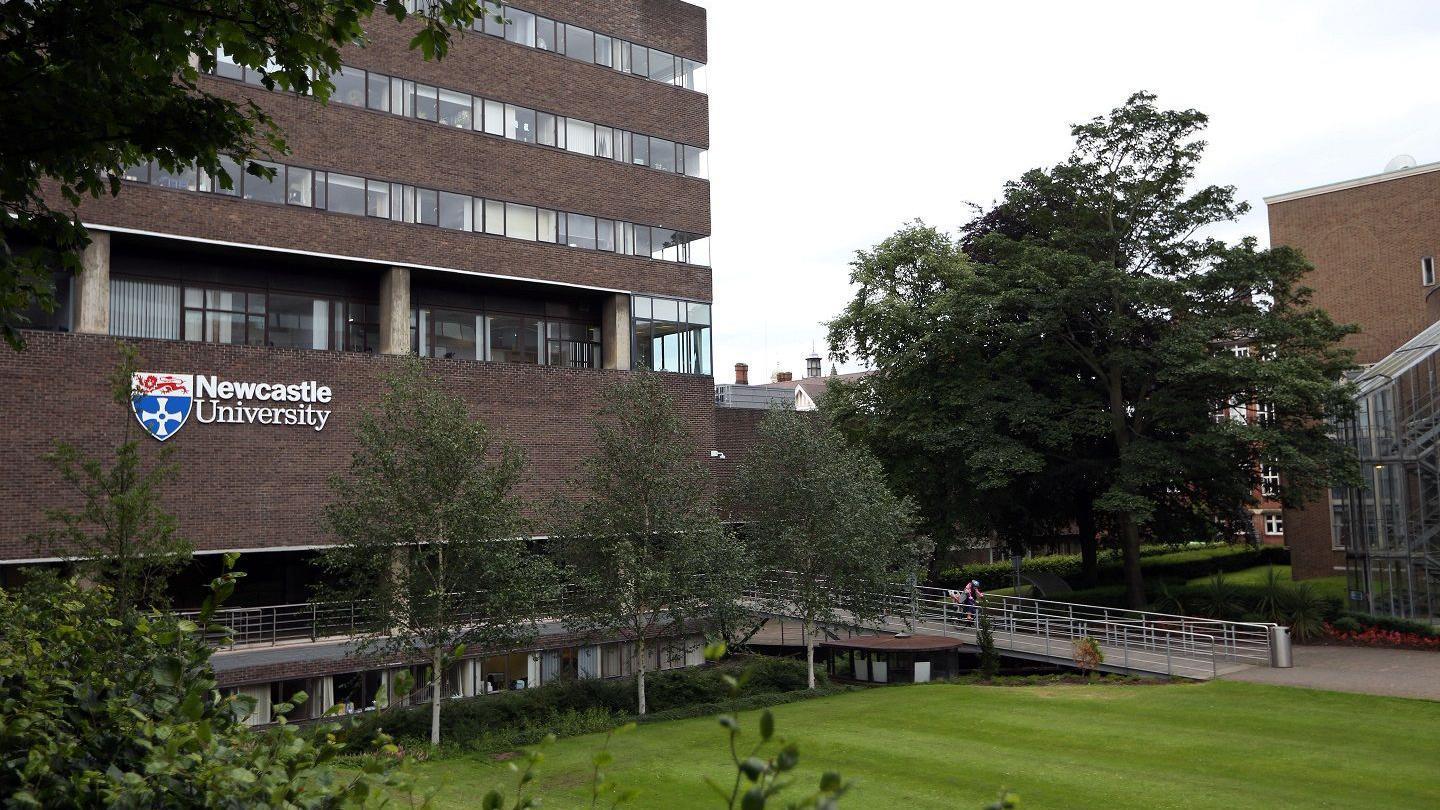
The North East is home to five universities, a remarkable concentration of talent, research and ambition. Often thought of simply as places of learning, the region's universities are in fact powerful engines of the regional economy, contributing billions of pounds, creating jobs, and turning cutting-edge research into the businesses of the future.
A Billion-Pound Contribution.
The economic contribution of the region's universities is substantial. Together, the five universities contribute billions of pounds to the economy each year, through the people they employ, the goods and services they buy, and the spending power of their staff and students.
As major employers and anchors in their communities, the universities are among the most important institutions in the regional economy. Their contribution extends far beyond the lecture theatre into every corner of the region's economic life.
Turning Research into Business.
One of the most exciting ways in which the universities drive the economy is by turning their world-class research into new businesses. Through a process known as spinning out, discoveries made in university laboratories are developed into companies, creating jobs and bringing innovations to market.
The region's universities have a strong and growing track record in this, with spinout companies in fields from life sciences to advanced manufacturing and green technology. These young companies, often based in the region's innovation hubs, represent the high-value businesses of the future.
A New Fund for Spinouts.
In a significant boost to this activity, the region's universities and the regional mayor have launched a major new fund to help turn research into businesses. The fund, worth tens of millions of pounds and backed by the mayor and the five universities together, is designed to support early-stage spinout companies, where the risk is higher and funding harder to find.
By filling this gap in early-stage funding, the fund aims to help more of the region's research reach the market as successful businesses. It is a powerful example of the universities and the region working together to drive growth.
A Track Record of Success.
The new fund builds on a strong track record of collaboration between the region's universities to commercialise research. A long-running partnership between the universities has already created dozens of spinout businesses, which have raised substantial investment and are forecast to add significantly to the regional economy.
Many of these companies are based in the region's innovation clusters, alongside other high-tech businesses. This collaborative approach, with the universities working together rather than competing, has been a real strength.
A Pipeline of Talent.
Beyond research and spinouts, the universities play a vital role in supplying the skilled workers the regional economy needs. With tens of thousands of students, including many studying science, technology, engineering and mathematics, the universities are a crucial source of the talent that the region's industries depend on.
This is especially important given the skills shortages facing many sectors, and the region's ambitions to grow new industries. Retaining this talent in the region, rather than seeing it drawn away to other parts of the country, is a key challenge and opportunity.
More Than Economics.
The universities' contribution to the region extends beyond the purely economic. As civic institutions, they play a wider role in their communities, from raising the aspirations of young people to contributing to the cultural and social life of the region.
Efforts to encourage young people from under-represented backgrounds to consider higher education are an important part of this civic mission. The universities are, in this sense, not just economic engines but anchors of opportunity and aspiration.
The Innovation Ecosystem.
The universities are at the heart of the region's wider innovation ecosystem, working alongside businesses, the health service, investors and the regional authorities to drive growth. This ecosystem, in which the different players collaborate to turn ideas into businesses and jobs, is a vital asset for the region.
Strengthening this ecosystem, and the role of the universities within it, is central to building a more innovative, high-value economy. The region's concentration of universities is a genuine competitive advantage.
The Power of Knowledge.
The North East's five universities are far more than places of learning, serving as powerful engines of the regional economy, contributing billions of pounds, creating jobs, supplying skilled talent, and turning research into the businesses of the future. The new fund to support spinouts is the latest example of the universities and the region working together to drive growth.
For a region seeking to build a more prosperous, innovative and high-value economy, its universities are among its greatest assets. In their laboratories and lecture theatres, the knowledge that will power the region's future is being created.
Anchors of the Region.
The role of the region's universities as economic engines is part of a wider role they play as anchor institutions, deeply rooted in their communities and committed to their long-term success. Unlike many businesses, which may come and go or relocate in search of advantage, universities are permanently anchored in their localities, with a deep and enduring stake in the prosperity of the places they call home.
This gives them a particular role and responsibility in their communities, as major employers, as centres of knowledge and innovation, and as partners in the wider effort to improve the region's economy and society. The concept of the civic university, committed not just to teaching and research but to the wellbeing of its region, has gained increasing prominence in recent years, and the region's universities have embraced this role.
Through their efforts to commercialise research, to supply skilled graduates, to support local businesses, and to raise the aspirations of young people, they contribute to the region in countless ways. They also play an important role in attracting talent and investment to the region, drawing students and researchers from around the world, some of whom stay to build their careers and lives here.
In a region that has faced significant economic challenges, the presence of five universities, deeply committed to its success, is a genuine and valuable asset. Strengthening the partnership between the universities and the wider region, and supporting them in their civic and economic roles, is central to building a more prosperous and innovative future.
As anchors of the region, deeply rooted in its communities and committed to its success, the universities are among its most important institutions, and among its greatest hopes for the future.
Join the conversation.
The North East's five universities contribute billions to the economy, supply skilled talent, and turn research into new businesses.
How can the region make the most of its universities?
Business News
Brain Power: How the Region's Universities Drive the Economy
The North East's five universities contribute billions to the economy, supply skilled talent and turn research into businesses. We look at their economic power.
Advertisement





Comments (0)
You must be logged in to post comments.
Don't have an account? Register here
No comments yet. Be the first to share your thoughts!