
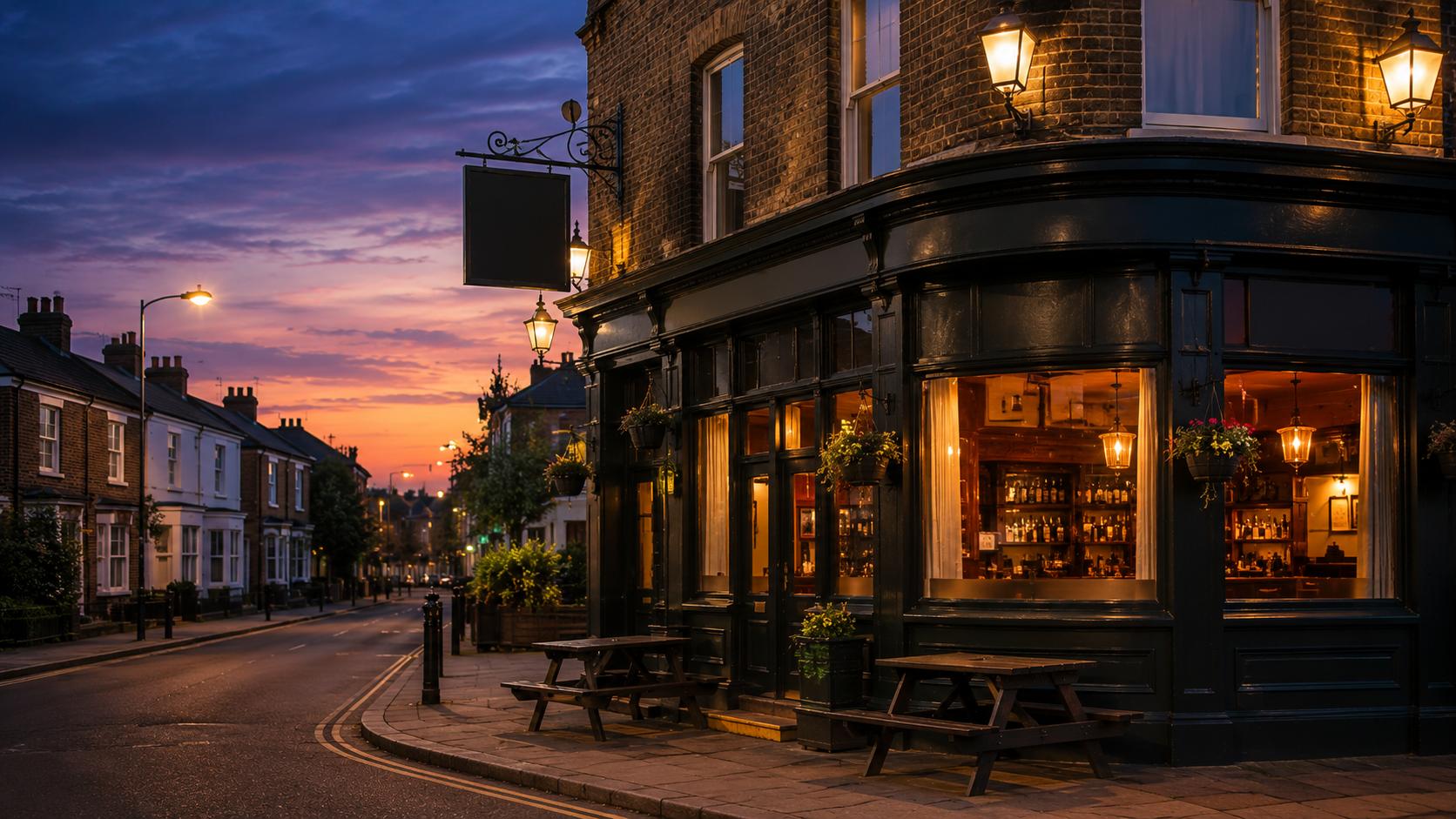
The local pub is one of the most cherished institutions in British life, a place to gather, celebrate and belong. Yet across the country, and here in the North East, pubs are closing their doors at an alarming rate, and the familiar sight of a boarded-up local has become all too common.
A Pub a Day.
The scale of the problem is stark. Across the country, pubs have been closing at a rate of roughly one every day, with hundreds of permanent closures projected over the course of a single recent year and thousands of jobs lost as a result.
These are not abstract figures but real venues, each one a place where a community once met. When a pub shuts for good, the loss is felt keenly by the people who relied on it.
A Long Decline.
The closures of recent years are part of a much longer decline. The number of pubs across the country has fallen from around 60,800 at the turn of the century to roughly 44,650 in the most recent figures, a drop of more than a third and the loss of over 16,000 pubs in a quarter of a century.
The pace has varied over the years, with some periods seeing especially heavy losses, but the overall direction has been relentlessly downward. A great swathe of the country's pubs has simply disappeared.
The North East's Losses.
The region has not been spared. Figures covering a recent two-year period showed that 54 pubs closed for good across the North East, the equivalent of roughly one every two weeks, with around 650 job losses.
The impact is felt especially hard in rural areas and smaller communities, where a pub may be one of the very few public spaces left and where alternative job opportunities are scarce. For such places, the loss of the local is the loss of a community's heart.
A Mountain of Costs.
The reasons behind the closures are not hard to find. Pubs face a punishing combination of rising costs, from soaring energy bills and higher wages to the rising price of ingredients and the burden of regulation, with running costs estimated to have climbed dramatically since before the pandemic.
Energy in particular has been crippling, with bills for many venues far above pre-pandemic levels. For a business that already operates on thin margins, this combination of pressures can be the difference between survival and closure.
The Tax Burden.
On top of these costs sits a heavy tax burden, for pubs are among the most highly taxed businesses in the country. By one estimate, of every three pounds spent in a pub, around one pound goes straight to the taxman.
Beer duty, value added tax and business rates all weigh heavily on the sector, and recent changes to employer national insurance contributions and packaging regulations have added further to the load. The sector's representatives have argued that this cumulative tax burden is pushing otherwise viable pubs to the wall.
The Business Rates Problem.
Business rates have become a particular flashpoint. Many pubs that worked hard to rebuild their trade after the pandemic have been hit with some of the sharpest increases under a recent revaluation, with rateable values rising substantially while reliefs have been pared back.
The way pubs are assessed for rates has been widely criticised as failing to reflect the reality of their finances, and the sector has called repeatedly for reform. Turnover may have recovered for many pubs, but profitability has not, and the sums simply do not add up.
A Valuable Sector.
What makes the decline so concerning is the value the sector represents. The beer and pub trade pours tens of billions of pounds into the economy each year, generating billions in tax revenue and supporting more than a million jobs, from the farmers who grow the barley and hops to the brewers, landlords and bar staff.
When a pub closes, the damage ripples down this entire supply chain. The case for supporting the sector is therefore an economic one as much as a social one.
The Calls for Help.
Faced with this crisis, the sector's representatives have called on the government to act, urging reform of business rates, a cut in beer duty and relief from the rising employment and regulatory costs that are squeezing pubs hardest.
They argue that they are not asking for special treatment, merely a fairer tax environment that would allow more pubs to stay open, invest and create jobs. The government has acknowledged the economic and social value of pubs, but the sector says meaningful action is now urgently needed.
More Than a Business.
It would be easy to view all this as simply a business story, but the pub is far more than a business. It is a gathering place, a community hub, a venue for celebration and comfort, and for many people, particularly in isolated areas, one of the few remaining places to meet others and stave off loneliness.
The loss of a pub diminishes a community in ways that go well beyond economics. That is precisely why each closure is felt so deeply, and why the future of the great British pub matters to so many.
An Uncertain Future.
The pressures bearing down on the nation's pubs, from rising costs and a heavy tax burden to changing habits, show little sign of easing, and without meaningful support more closures seem likely in the years ahead.
Yet pubs have shown resilience before, adapting and reinventing themselves to survive, and many continue to trade well despite the headwinds. Whether the great British pub can weather this latest storm will depend in large part on the choices made by government and on the continued support of the communities that hold their locals so dear.
The Changing Role of the Pub.
Alongside the financial pressures, pubs have also had to contend with profound changes in how people socialise and spend their leisure time, and the most successful have been those that have adapted to meet them. The days when the pub was the automatic and central focus of community social life have given way to a world of far greater choice, in which people have many more options for how to spend an evening and their money, from streaming entertainment at home to a wider range of leisure venues.
Patterns of work, the rise of home entertainment, changing attitudes to drinking and the simple pressure on household budgets have all reshaped the role the pub plays in people's lives. In response, many pubs have reinvented themselves, broadening their appeal by serving food, hosting events, offering a wider range of drinks including quality alcohol-free options, and becoming community hubs that cater for families, remote workers and daytime visitors as much as for evening drinkers.
Some have embraced hybrid models, operating as part café and co-working space by day and a traditional pub by night, while others have deepened their roots in the community by hosting clubs, groups and local events. The pubs that thrive are increasingly those that understand they must offer more than simply a place to drink, providing instead a welcoming and flexible space that meets the varied needs of a modern community.
This capacity to adapt and reinvent has always been part of the story of the British pub, which has survived and evolved through many changes over the centuries. The current pressures are severe, but the willingness of landlords and communities to reimagine what a pub can be offers a measure of hope that, in one form or another, the local will endure.
Share your thoughts.
Rising costs, a heavy tax burden and a long decline are closing pubs across the North East and the country at an alarming rate.
Has your local pub survived, or has your community lost a much-loved gathering place?
Food & Drink News
Last Orders: The Pressures Closing the Great British Pub
Pubs are closing at around one a day, with 54 lost in the North East in two years. We look at the costs, taxes and pressures squeezing the great British pub.
Advertisement

Comments (0)
You must be logged in to post comments.
Don't have an account? Register here
No comments yet. Be the first to share your thoughts!