
Few television formats have proved as durable as the soap opera. Programmes that began before colour television are still running, still generating headlines and still capable of drawing audiences that most dramas would envy.
They are also routinely dismissed, which has been true since the beginning and has never much affected their popularity.
Here is why the format works and how it has adapted.
The name comes from the sponsors.
Soap opera originated in American radio during the 1930s, describing daytime serials aimed at housewives and sponsored by manufacturers of household products, soap powder prominent among them.
Opera was a wry reference to the melodramatic tone. The term was originally faintly mocking and has never entirely lost that edge, which is why the industry increasingly prefers continuing drama.
The radio format transferred to television and then across the Atlantic, where British broadcasters developed something distinctively their own.
Britain built its soaps on realism.
American daytime serials leaned into glamour and wealth. The British tradition took the opposite approach, grounding itself in ordinary working life.
Coronation Street, first broadcast in 1960, is the longest-running television soap opera in the world. It was built around a northern terraced street, and its early success owed much to characters who spoke and lived like the audience watching.
Emmerdale followed in 1972 as a farming serial, and EastEnders arrived in 1985 with a deliberately confrontational take on inner-city London. Brookside, from 1982, used real houses on a genuine Liverpool close and pushed further into social realism.
Radio got there first, and is still going. The Archers began in 1951 and remains the longest-running drama serial anywhere in the world.
The format has a distinctive structure.
Soaps run continuously and without conclusion, which changes everything about how they are written.
Storylines overlap and run at different speeds, with a fast-moving crisis playing alongside a slow-burning relationship and a comic thread. Episodes typically close on a moment of tension, the cliffhanger, designed to bring the viewer back.
Because there is no ending, character is what sustains interest. Viewers who have followed a family for twenty years bring their own accumulated knowledge to every scene, and that investment cannot be replicated by a new drama.
Production runs at extraordinary pace.
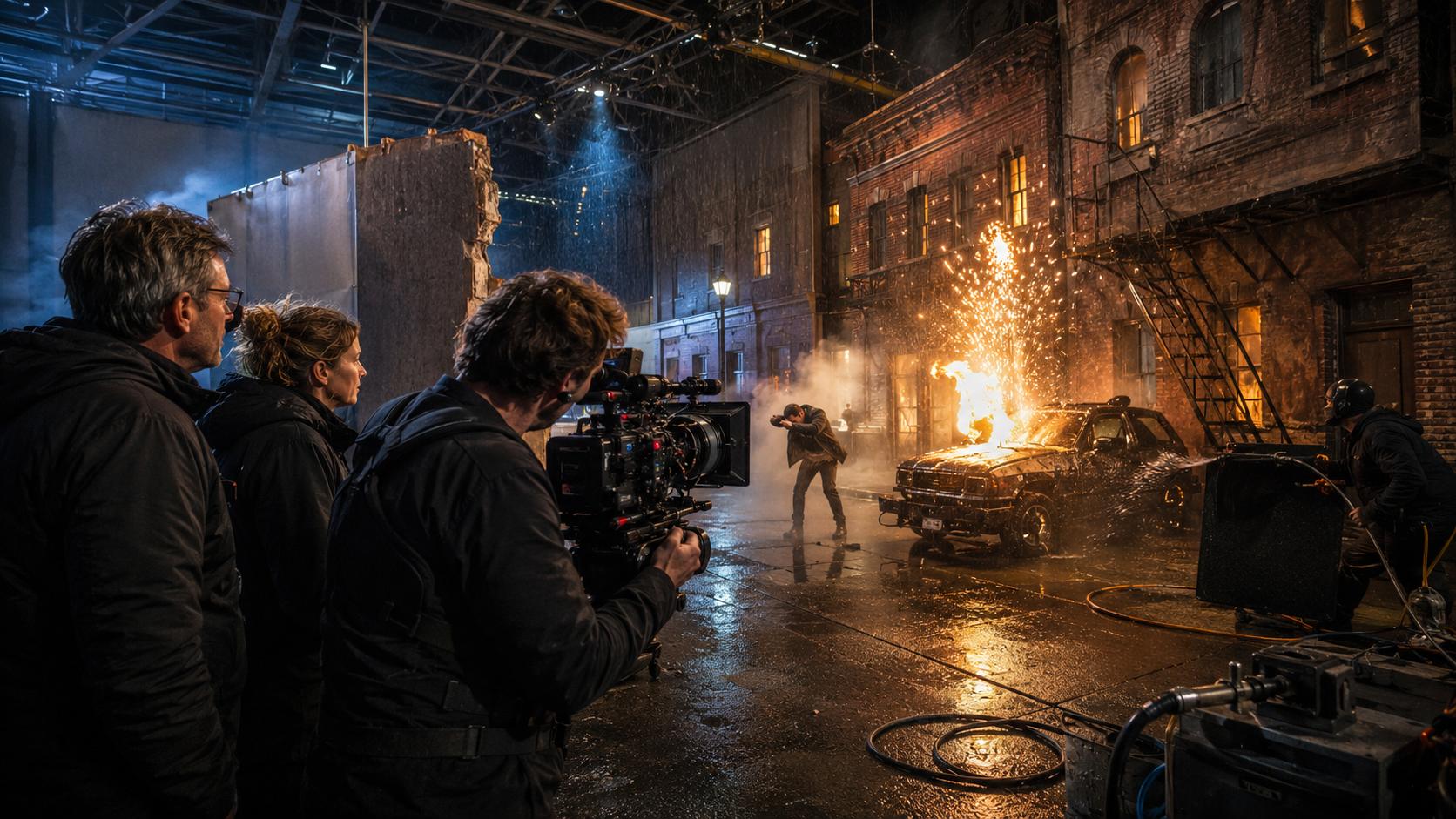
Continuing drama is made at a speed almost no other television matches. Multiple episodes a week, filmed months in advance, on permanent sets with large regular casts.
That schedule demands a highly organised writers' room, storyliners planning arcs a year ahead, and a directing rotation that keeps several units working at once.
Actors on soaps frequently describe the workload as the toughest training available, and a great many British performers have used it as exactly that before moving into film and other television.
Social storytelling has been a genuine strength.
Soaps have handled subjects mainstream drama avoided, often years ahead of wider conversation.
Domestic abuse, addiction, mental illness, HIV, coercive control, male suicide and terminal illness have all been given extended, carefully researched treatment. Helpline numbers shown after difficult episodes have produced measurable spikes in calls.
Because the audience already knows and trusts the characters, a storyline can reach people who would never watch a documentary on the same subject. It is public health communication disguised as entertainment, and it works.
The audience has changed.
Peak soap audiences of twenty million belong to an era of three or four channels. Fragmentation across streaming, gaming and social media has reduced ratings across all broadcast television, and soaps have not been exempt.
Broadcasters have responded by moving episodes, adjusting scheduling, releasing episodes early on streaming platforms and, in some cases, reducing output.
Younger viewers in particular consume soaps differently, often catching up on demand or following storylines through clips and social media rather than watching every episode.
The North East connection runs deep.
Regional drama has long borrowed from the soap tradition. Byker Grove, made in Newcastle from the late 1980s, used a serial format for a younger audience and became a training ground for performers including Ant and Dec.
Northern voices have been central to the form since Coronation Street began, and the association between soap and the industrial north remains strong.
Casting has drawn regularly on North East actors, and the region's drama schools and youth theatres feed steadily into continuing drama across the country.
The format keeps proving critics wrong.
Soaps have been declared finished repeatedly, most recently as streaming reshaped viewing habits.
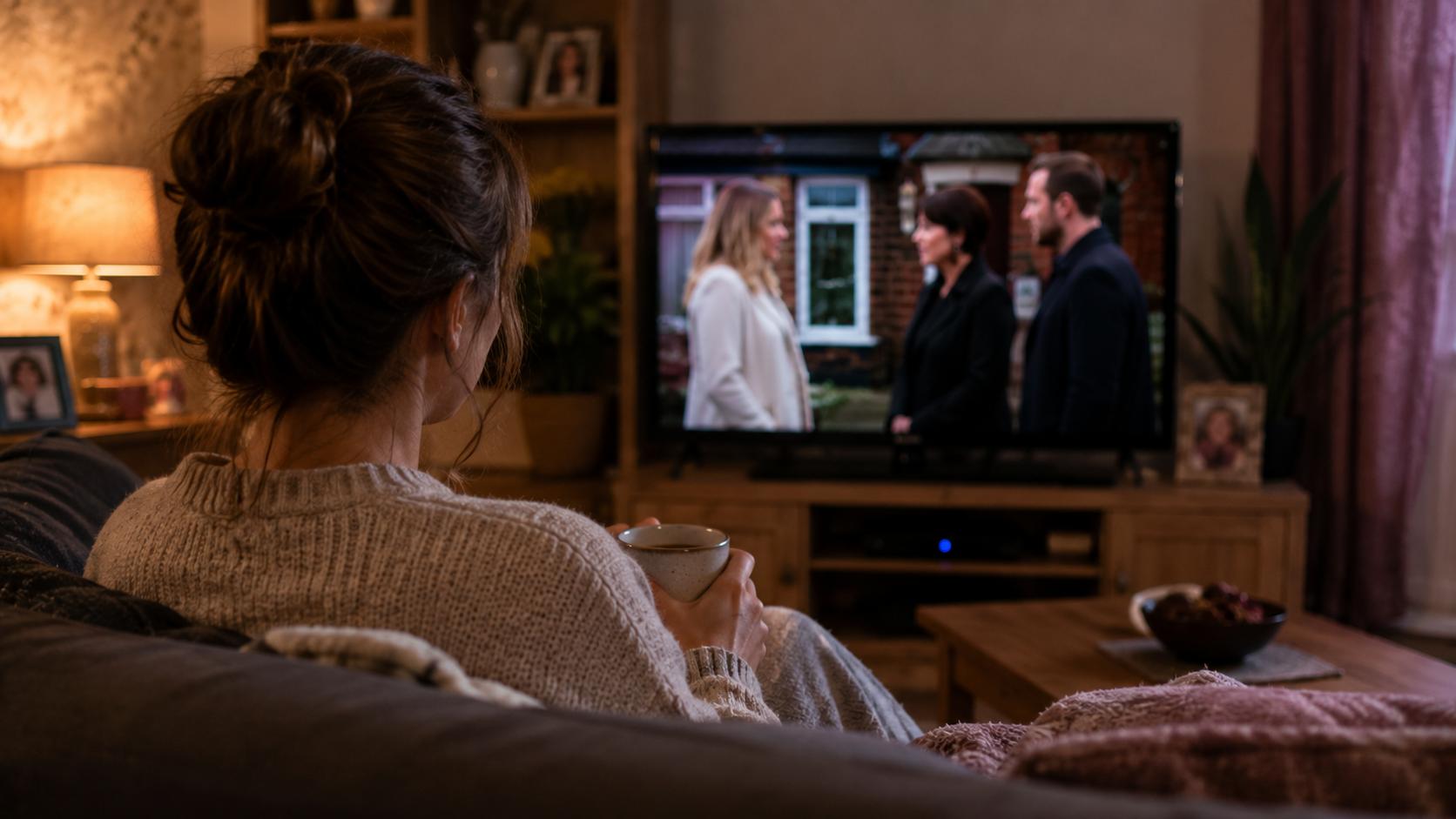
They have survived because the fundamental appeal has not changed. People like following the lives of characters they know, in a place they recognise, in instalments that fit around everything else.
Whether that continues at the same scale is genuinely uncertain. What seems clear is that the format itself, continuous character-led storytelling with no ending, has simply migrated into other places, from long-running streaming dramas to reality series constructed along identical lines.
Share your thoughts.
Which soap did you grow up watching, and do you still keep up with it?
Entertainment News
The Enduring Power of the Soap Opera
Six decades of continuous storytelling has made the soap opera the most durable format on British television, even as audiences fragment.
Advertisement



Comments (0)
You must be logged in to post comments.
Don't have an account? Register here
No comments yet. Be the first to share your thoughts!