
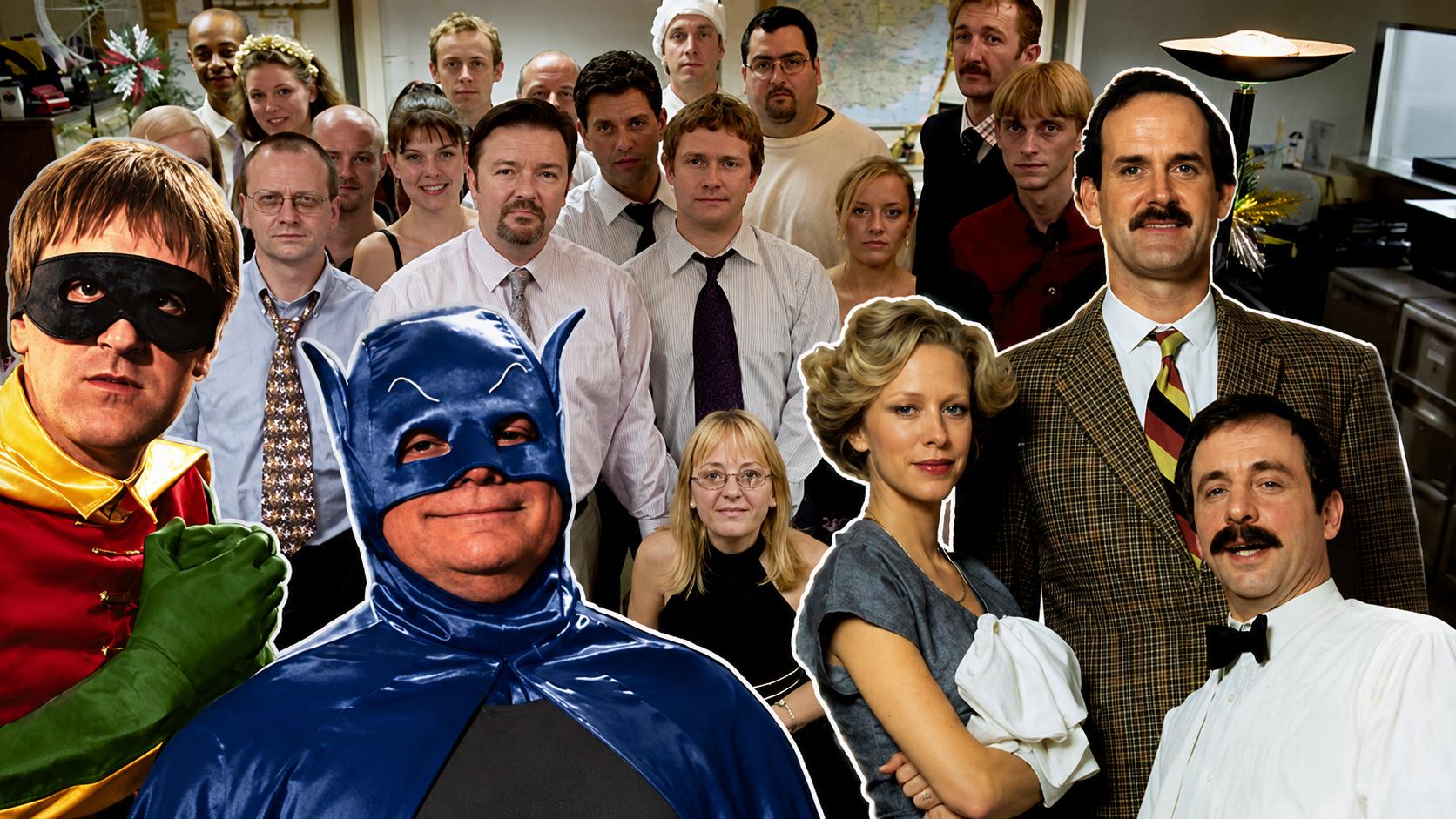
Switch on daytime television on almost any channel and there is a good chance a decades-old sitcom will be playing somewhere in the schedule. Shows first broadcast in the 1970s, 80s and 90s continue to draw steady audiences long after their original runs ended, a testament to a very particular strand of British comedy that seems immune to the passage of time.
Much of that longevity comes down to structure. Traditional sitcoms were built around a handful of well-defined characters trapped in familiar situations, whether that was a cramped flat, a struggling business or an awkward family gathering. That simplicity makes episodes endlessly rewatchable, since viewers already know and love the characters and are simply enjoying the pleasure of watching them collide again in a new scenario.
Streaming platforms have played an unexpected role in the genre's continued relevance, packaging entire archives of classic sitcoms for a generation discovering them for the first time. Younger viewers, often introduced through clips shared online, have gone on to watch full box sets of shows that first aired before they were born, drawn in by punchlines that clearly have not aged in the way some contemporaries might expect.
Live theatre has embraced the trend as well, with stage adaptations and touring productions of beloved sitcoms drawing enthusiastic crowds to venues across the country, including several well-attended runs at theatres around the North East. For many fans, seeing familiar characters performed live offers a novelty that even a favourite rerun cannot match.
Comedy fashions inevitably shift, and newer sitcoms increasingly favour observational humour, mockumentary formats or serialised storytelling over the broader setups of earlier decades. Yet rather than replacing the classics, these newer approaches have largely existed alongside them, expanding the genre without diminishing appetite for the shows that first defined it.
Catchphrases from long-running sitcoms have a habit of embedding themselves permanently in everyday language, repeated by people who may not even remember, or never knew, exactly which show first popularised them. That kind of cultural saturation is difficult to manufacture deliberately, and it speaks to how deeply certain sitcoms have woven themselves into the fabric of everyday British life over the decades since their original broadcast.
Cast reunions have become a reliable ratings draw in their own right, with anniversary specials and documentary retrospectives regularly attracting large audiences eager to see beloved characters, and the actors behind them, brought back together one more time. These events often generate significant conversation online, with clips shared widely among viewers reminiscing about episodes first watched decades earlier.
Regional theatres and community groups across the North East have also found appetite for staged tribute nights built around classic sitcom scripts, performed live for audiences who relish the chance to hear favourite lines delivered afresh by a new cast, blending the nostalgia of the original material with the unpredictable energy of a live performance.
What ultimately keeps the British sitcom evergreen is its familiarity. In an entertainment landscape increasingly dominated by prestige dramas demanding close attention, there remains real value in half an hour spent with characters who ask nothing more than a laugh in return, a formula that has proven remarkably resistant to changing tastes. It is a formula British broadcasters keep returning to precisely because it has never really failed them.
Share your views.
What's your favourite classic British sitcom?
Entertainment News
The Evergreen Appeal of the British Sitcom
Decades on from their original broadcasts, classic British sitcoms remain some of the most rewatched shows on television, proving comfort comedy never goes out of style.
Advertisement





Comments (0)
You must be logged in to post comments.
Don't have an account? Register here
No comments yet. Be the first to share your thoughts!