
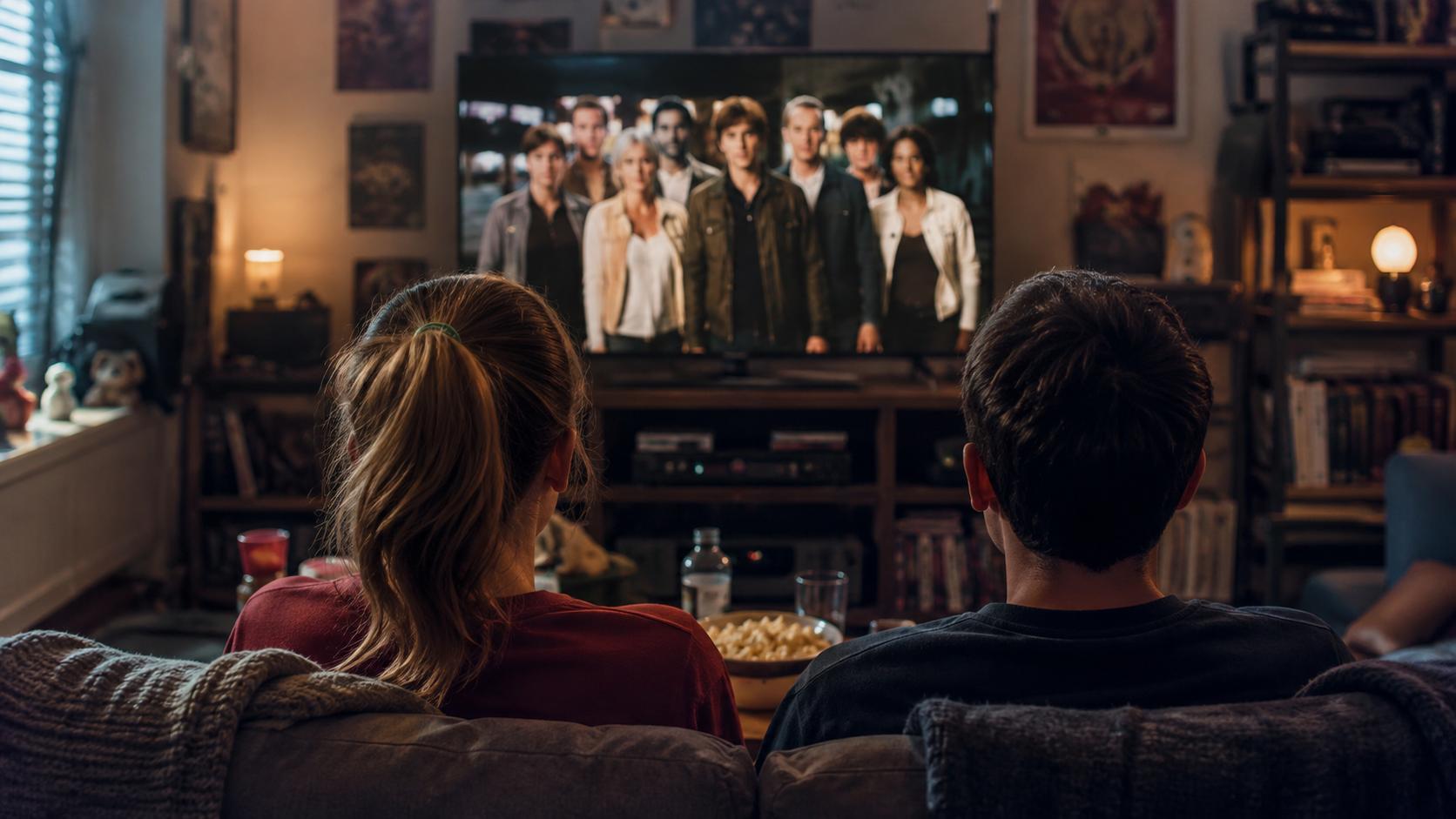
Scroll through any streaming service's new releases and it will not take long to spot a familiar title wearing a fresh coat of paint. Reboots, revivals and legacy sequels drawing on shows and films from the 1990s and 2000s have become a dependable staple of the entertainment industry, with studios increasingly willing to bet on nostalgia over entirely original concepts.
The commercial logic is straightforward enough. A revived property arrives with a built-in audience already emotionally invested in its characters and world, dramatically reducing the marketing challenge compared to launching something from scratch. For studios navigating tighter budgets and fiercer competition for attention, that guaranteed baseline interest carries real financial appeal.
Audiences, for their part, have proven consistently receptive, particularly viewers who grew up with the original material and are now old enough to have disposable income and, often, children of their own to introduce to a beloved franchise. That combination of adult nostalgia and a fresh younger audience has proven a powerful formula time and again.
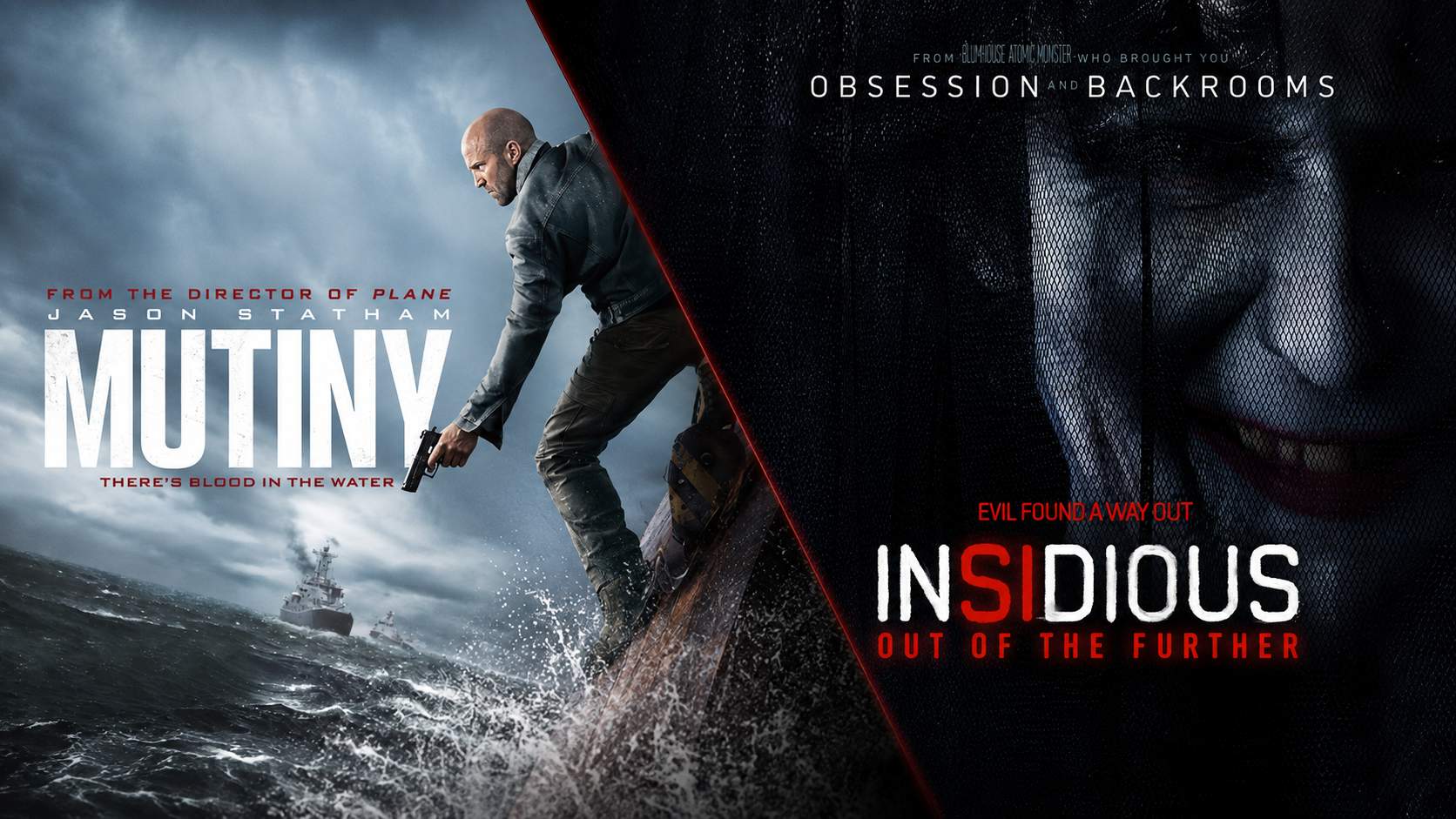
Local fan communities have embraced the trend enthusiastically, with themed screenings and fan meetups tied to major reboots regularly selling out venues across the North East. Cinemas have leaned into the appetite too, programming anniversary rereleases of original films alongside new instalments, giving longtime fans the chance to revisit the source material on the big screen before seeing its sequel.
Not every revival lands successfully, and the format has attracted its share of criticism from those who argue the industry is leaning too heavily on familiar intellectual property at the expense of new ideas. Even so, the commercial success of well-executed reboots continues to outweigh those concerns for studios weighing where to allocate their next major investment.
Casting decisions for revivals tend to attract particularly intense scrutiny, with fans quick to voice opinions online about whether original stars should return, be recast, or hand the story over entirely to a new generation of characters. Studios have experimented with all three approaches at various points, with mixed results, suggesting there is no single formula guaranteed to satisfy a fanbase deeply protective of the original material.
Merchandising has followed a similar pattern to the wider reboot trend, with retro-styled products tied to original branding often outselling merchandise for the new revival itself, a sign that nostalgia for the source material sometimes runs even deeper than enthusiasm for its continuation. Retailers have leaned into this by deliberately reissuing original packaging and designs alongside new tie-in products.
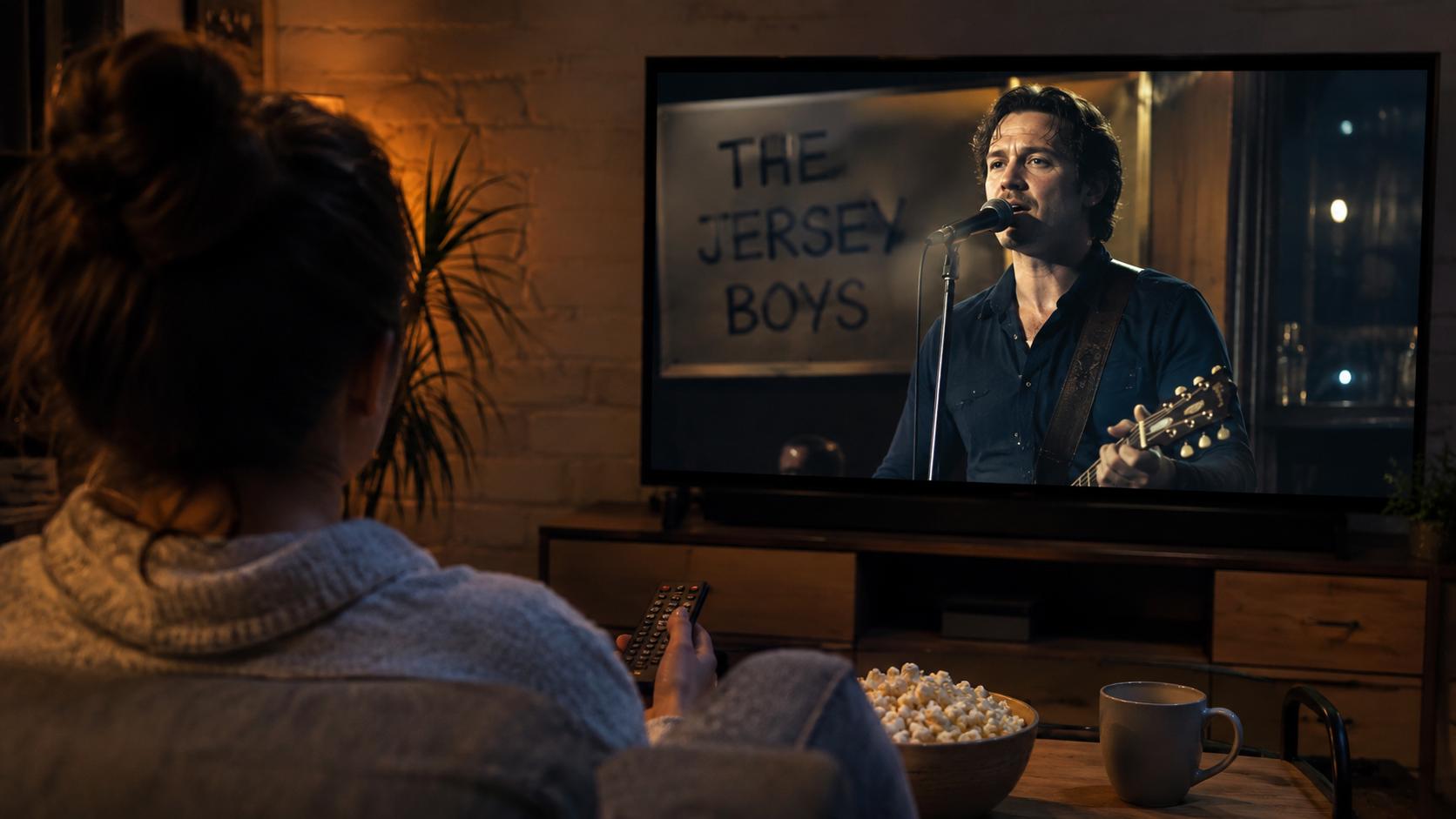
Streaming platforms have also found value in simply rereleasing original, unaltered versions of older shows and films ahead of a revival's launch, using the resulting surge in older viewership as a low-cost way of building anticipation before committing significant marketing budget to the new instalment itself.
With entire generations now nostalgic for their own respective decades, the reboot pipeline shows no sign of running dry. If anything, the properties considered ripe for revival simply keep shifting forward in time, ensuring the nostalgia economy remains a permanent fixture of the entertainment landscape rather than a passing trend. For studios, at least, betting on the familiar has rarely felt like much of a gamble at all.
Share your thoughts.
Which classic show or movie most deserves a modern reboot?
Entertainment News
The Nostalgia Economy: Why 90s and 00s Reboots Keep Coming
Television and film studios continue to mine decades-old properties for reboots and revivals, banking on nostalgia to guarantee an audience in an increasingly crowded market.
Advertisement

Comments (0)
You must be logged in to post comments.
Don't have an account? Register here
No comments yet. Be the first to share your thoughts!