
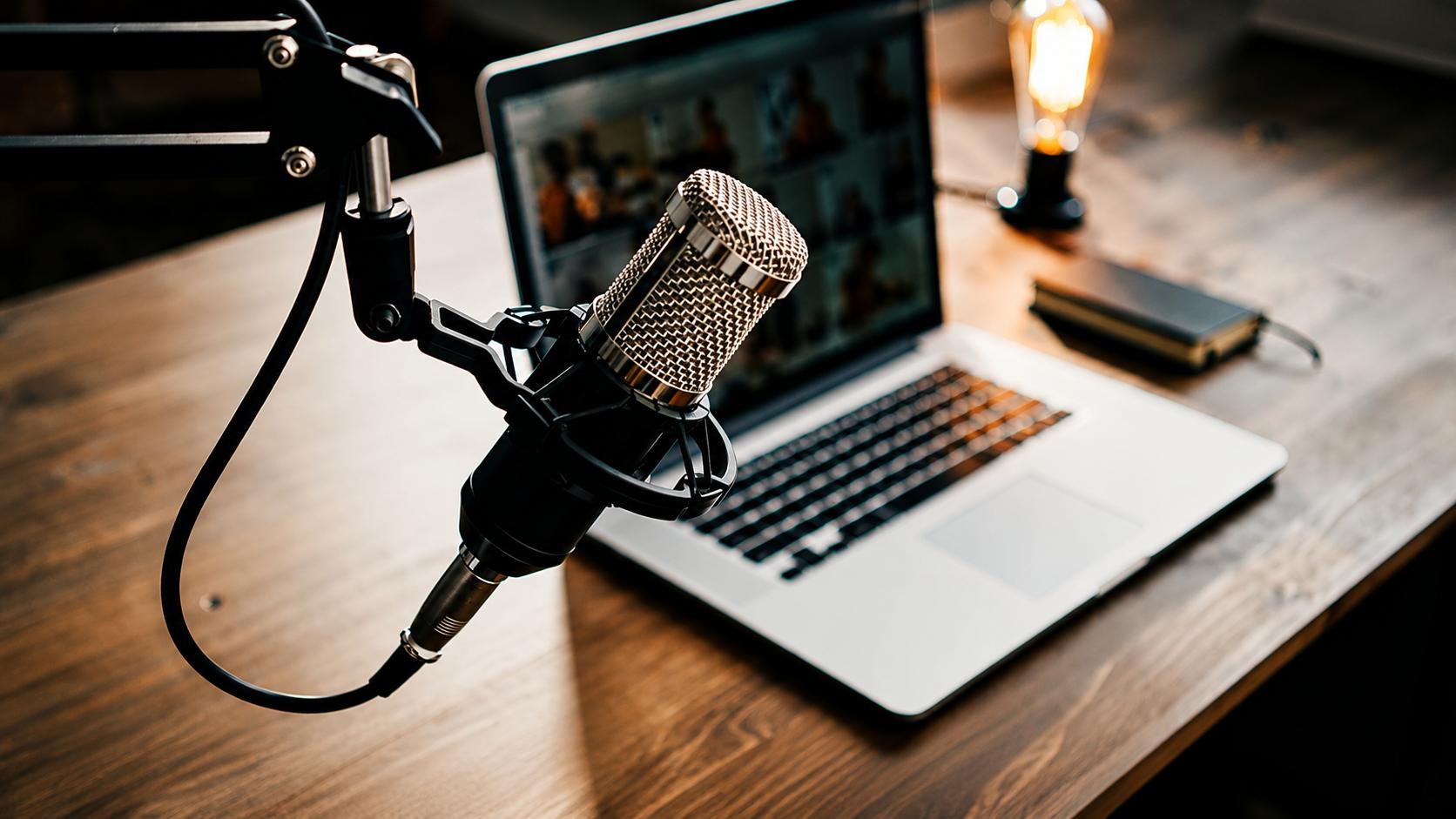
Long before television dominated the living room, families gathered around the radio to listen to entire dramas unfold purely through sound, using voice, music and effects to conjure entire worlds in the listener's imagination. That tradition faded significantly with the rise of television, yet it has found an enthusiastic new audience through the modern fiction podcast, which has quietly revived audio drama for a streaming-era audience.
Unlike traditional radio, podcasts offer creators near-total creative freedom, unconstrained by broadcast schedules or network commissioning committees. This has allowed independent writers and small production teams to produce genuinely ambitious serialised fiction, ranging from horror anthologies to sprawling science fiction epics, often on considerably smaller budgets than a comparable television production would require.
The intimacy of the format has proven a significant part of its appeal. Listened to typically through headphones during a commute, workout or household chore, audio drama creates a uniquely personal listening experience, with a story unfolding directly and privately rather than being watched communally on a shared screen.
Local writers and audio producers across the North East have found podcasting an accessible entry point into scripted storytelling, requiring far lower production costs than film or television while still allowing for genuinely cinematic sound design. Several independently produced fiction podcasts have built loyal international followings entirely through word of mouth and online communities.
Established broadcasters have taken notice too, increasingly commissioning their own scripted podcast dramas and, in some cases, adapting successful independent podcasts into television series, effectively reversing the traditional relationship between radio and screen. This growing crossover has lent the format a credibility it may not have enjoyed in its earliest years.
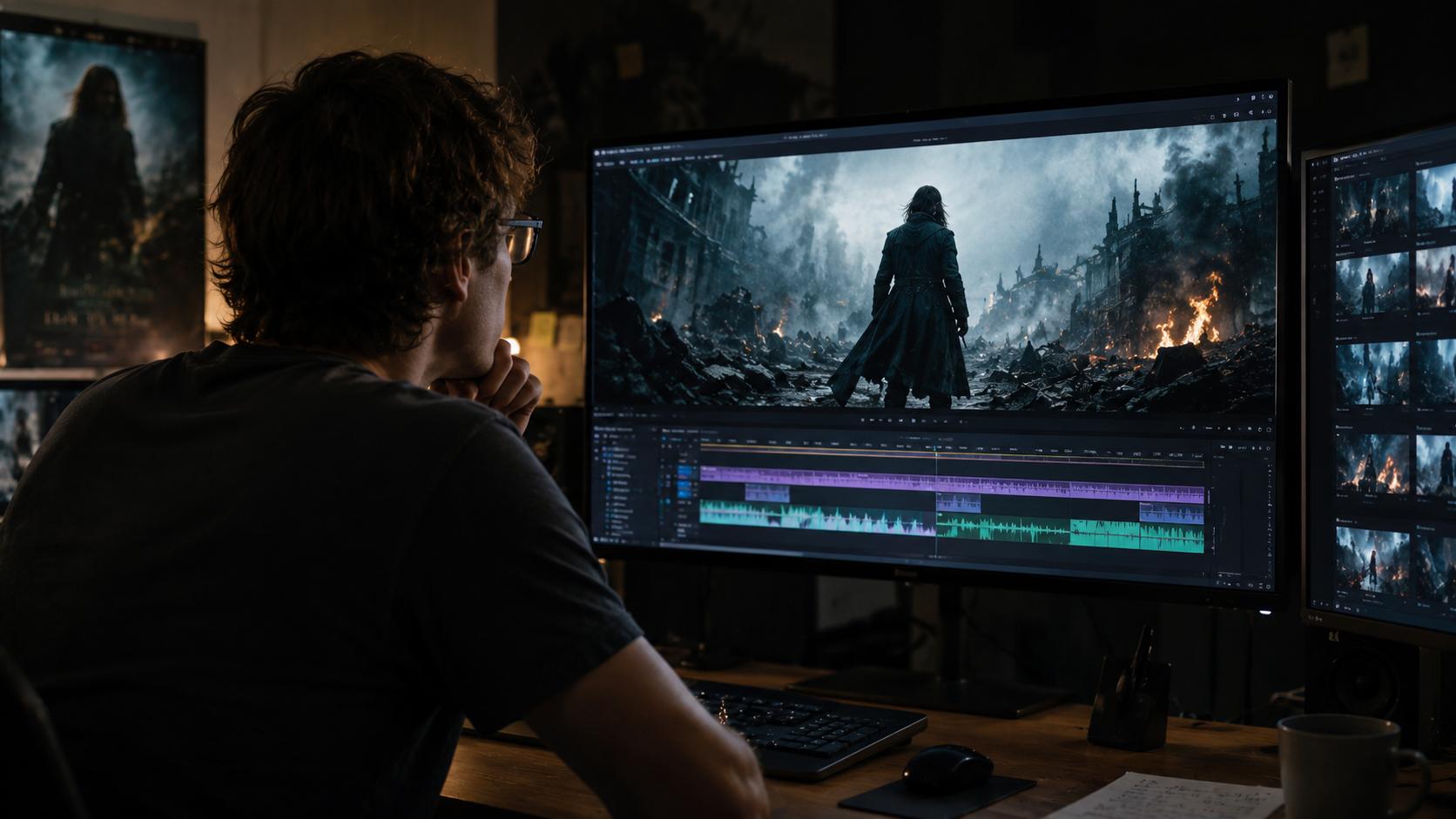
Sound design has become an increasingly sophisticated part of the craft, with dedicated audio engineers now working on fiction podcasts using techniques borrowed directly from film post-production, layering binaural recording and spatial audio effects to create an unusually immersive sense of place purely through headphones. Some of the most acclaimed fiction podcasts are now discussed by critics in terms once reserved almost exclusively for prestige television.
Live recorded events have added a further dimension to the format, with some fiction podcasts performing episodes in front of a studio audience before releasing the recording online, blending the intimacy of audio drama with the communal energy of live theatre. These events have proven particularly popular at festivals dedicated to audio storytelling, drawing enthusiastic crowds keen to watch a production they would otherwise only ever experience through headphones.
Voice actors have found fiction podcasting to be a valuable proving ground of its own, offering steady, flexible work that allows performers to build a loyal following purely on the strength of their voice, without needing to relocate to a major production hub, an accessibility that has proven especially appealing to talent based well outside the traditional entertainment centres of London.
As more listeners discover the particular pleasure of a story told purely through sound, fiction podcasting looks set to remain a genuine creative outlet in its own right, rather than simply a stepping stone toward television. It stands as proof that audio drama, once thought a relic of a bygone broadcasting era, still has considerable room to grow. In an age of constant visual stimulation, there remains something quietly powerful about a story told through voice alone.
Share your thoughts.
Do you listen to any fiction podcasts regularly?
Entertainment News
The Rise of the Podcast as Modern Radio Drama
Fiction podcasts have quietly revived the art of audio drama, offering a modern equivalent of the radio plays that once captivated households before television took over.
Advertisement

Comments (0)
You must be logged in to post comments.
Don't have an account? Register here
No comments yet. Be the first to share your thoughts!