
Every year, Baha'is around the world pause to remember one of the most significant moments in the history of their faith - the Martyrdom of the Báb.
Observed this year on 10 July, the holy day commemorates the execution of the Báb in the Persian city of Tabriz in 1850. For members of Newcastle's Baha'i community and others across the North East, it is a solemn occasion marked by prayer, reflection and remembrance rather than celebration. The day is one of the nine annual Baha'i holy days during which believers are encouraged to suspend work or school where possible to attend community gatherings.
Although the Baha'i community in the North East is relatively small, it forms part of a worldwide faith that places unity, equality and service at the centre of everyday life.
Who was the Báb.
The Báb, whose title means "the Gate", was born Siyyid Ali Muhammad in Shiraz, Persia, in 1819.
In 1844, he announced that he had been chosen by God to prepare humanity for the arrival of another Messenger who would unite the world. That figure would later be recognised by Baha'is as Bahá'u'lláh, the founder of the Baha'i Faith.
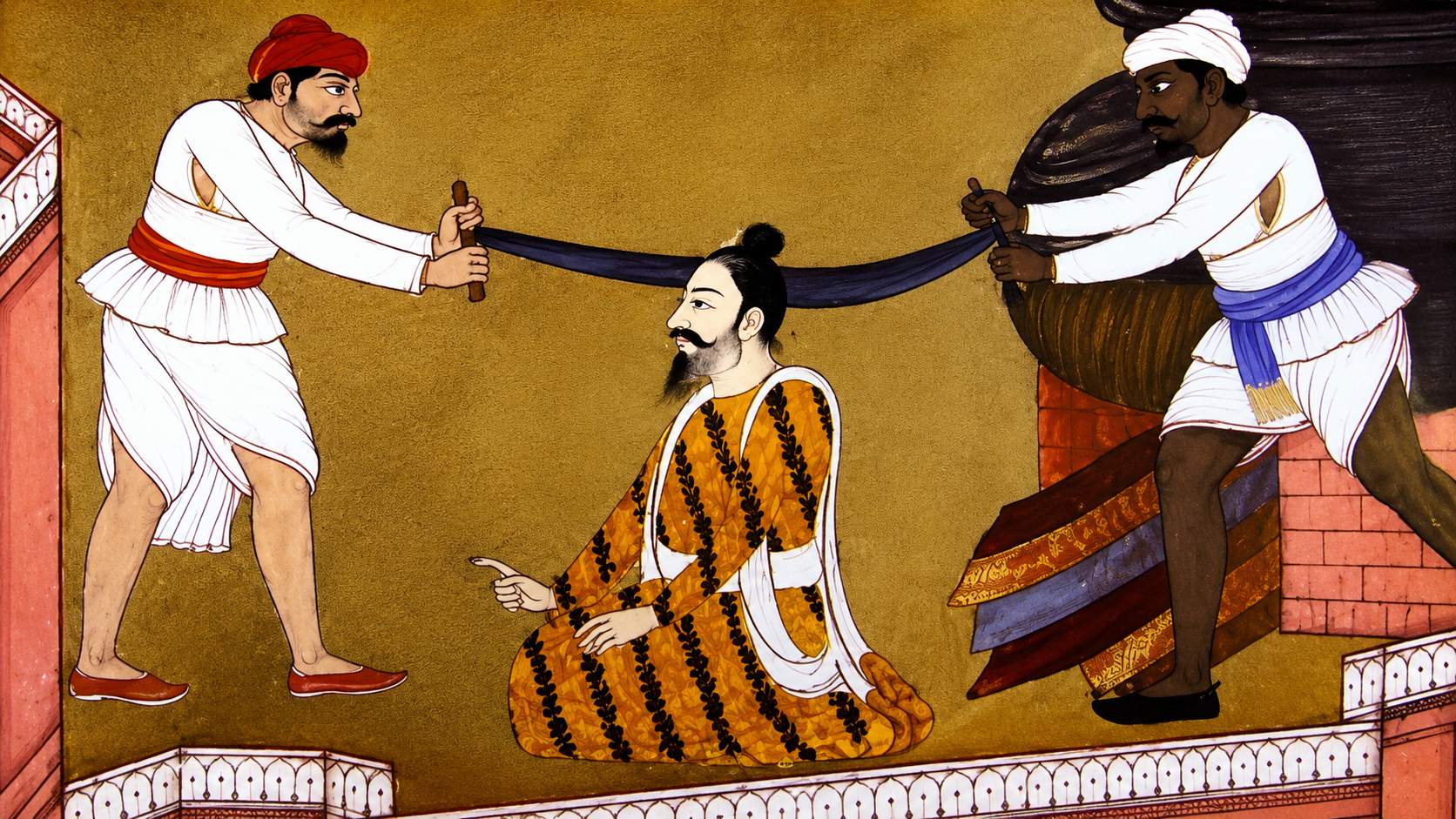
The Báb's message spread rapidly and attracted tens of thousands of followers in only a few years. His teachings challenged religious and political authority in Persia, leading to intense persecution. On 9 July 1850, he and one of his devoted followers were executed by a firing squad in Tabriz. Today, Baha'is remember his sacrifice as an act of courage and unwavering faith.
A growing faith with a local presence.
While Newcastle does not have a dedicated Baha'i temple, the city has an active local Baha'i community that joins believers across the UK in observing holy days, children's classes, devotional gatherings and community-building activities.
Nationally, the UK Baha'i community says there are more than 7,000 Baha'is living across the country, representing a wide range of cultures and backgrounds.
The Baha'i Faith is now established in more than 200 countries and territories, making it one of the world's most geographically widespread independent religions. Its teachings emphasise the oneness of humanity, equality between women and men, universal education and harmony between science and religion.
These principles continue to resonate with many people living in diverse cities such as Newcastle, where communities from different faiths increasingly work together through local interfaith initiatives.
A moment for reflection.
Unlike festivals that include large public celebrations, the Martyrdom of the Báb is observed quietly.
Baha'is typically gather around the time traditionally associated with the execution, approximately 1pm during British Summer Time, to read prayers and passages from Baha'i scripture. The atmosphere is respectful and reflective, focusing on the Báb's courage, compassion and commitment to his beliefs.
For many believers, the holy day is also an opportunity to reflect on the importance of religious freedom and the sacrifices made by people throughout history for their faith.
Faith communities continue to shape Newcastle.
Newcastle has become one of England's most diverse cities in terms of religion and culture.
According to the 2021 Census, 41.3 percent of Newcastle residents identified as Christian, while 40.8 percent reported having no religion. The city is also home to growing Muslim, Hindu, Sikh, Jewish and other faith communities, alongside smaller groups such as the Baha'is. This diversity has helped strengthen interfaith dialogue and community cooperation across the region.
Although relatively few people may be familiar with the Baha'i Faith, local believers regularly take part in educational programmes, neighbourhood projects and discussions that encourage friendship and understanding between people of different backgrounds.
A message that continues today.
More than 175 years after the Báb's death, his message continues to inspire millions of people around the world.
For Newcastle's Baha'i community, the Martyrdom of the Báb is not simply a historical anniversary. It is a reminder that faith, compassion and unity can continue to influence communities long after the events themselves have passed.
As the North East becomes increasingly multicultural, learning about occasions such as this helps build greater understanding between neighbours and highlights the diverse beliefs that contribute to modern Newcastle's identity.
Join the discussion below.
Do you think Newcastle has become more religiously diverse over the years?
Community News
The Story Behind the Martyrdom of the Báb
Advertisement


Comments (0)
You must be logged in to post comments.
Don't have an account? Register here
No comments yet. Be the first to share your thoughts!