
For years, vinyl records were considered outdated technology left behind by digital music, CDs and streaming platforms. Many people believed record collections belonged in attics, charity shops or dusty family cupboards alongside cassette tapes and VHS players. Yet against all expectations, vinyl records are making a remarkable comeback.
Across the UK and around the world, vinyl sales continue rising year after year. Record shops are reopening in high streets once dominated entirely by digital retailers, younger audiences are buying turntables for the first time and major artists are now prioritising vinyl releases alongside streaming launches.
What once looked like a nostalgic hobby for older music collectors has become a genuine cultural movement. From teenagers discovering classic rock albums to millennials searching for a more meaningful music experience, vinyl records are once again becoming part of everyday listening habits.
The revival is changing the music industry, influencing retailers and creating a completely new generation of vinyl enthusiasts.
Why People Are Turning Away From Digital Music.
Streaming platforms such as Spotify, Apple Music and YouTube have made music more accessible than ever before. Millions of songs can now be played instantly from a smartphone or laptop within seconds. However, many listeners say convenience has also removed part of the emotional experience that once came with listening to music.
Vinyl fans often describe digital streaming as temporary and disposable. Songs are skipped quickly, albums are rarely heard from beginning to end and playlists constantly change based on algorithms rather than personal connection.
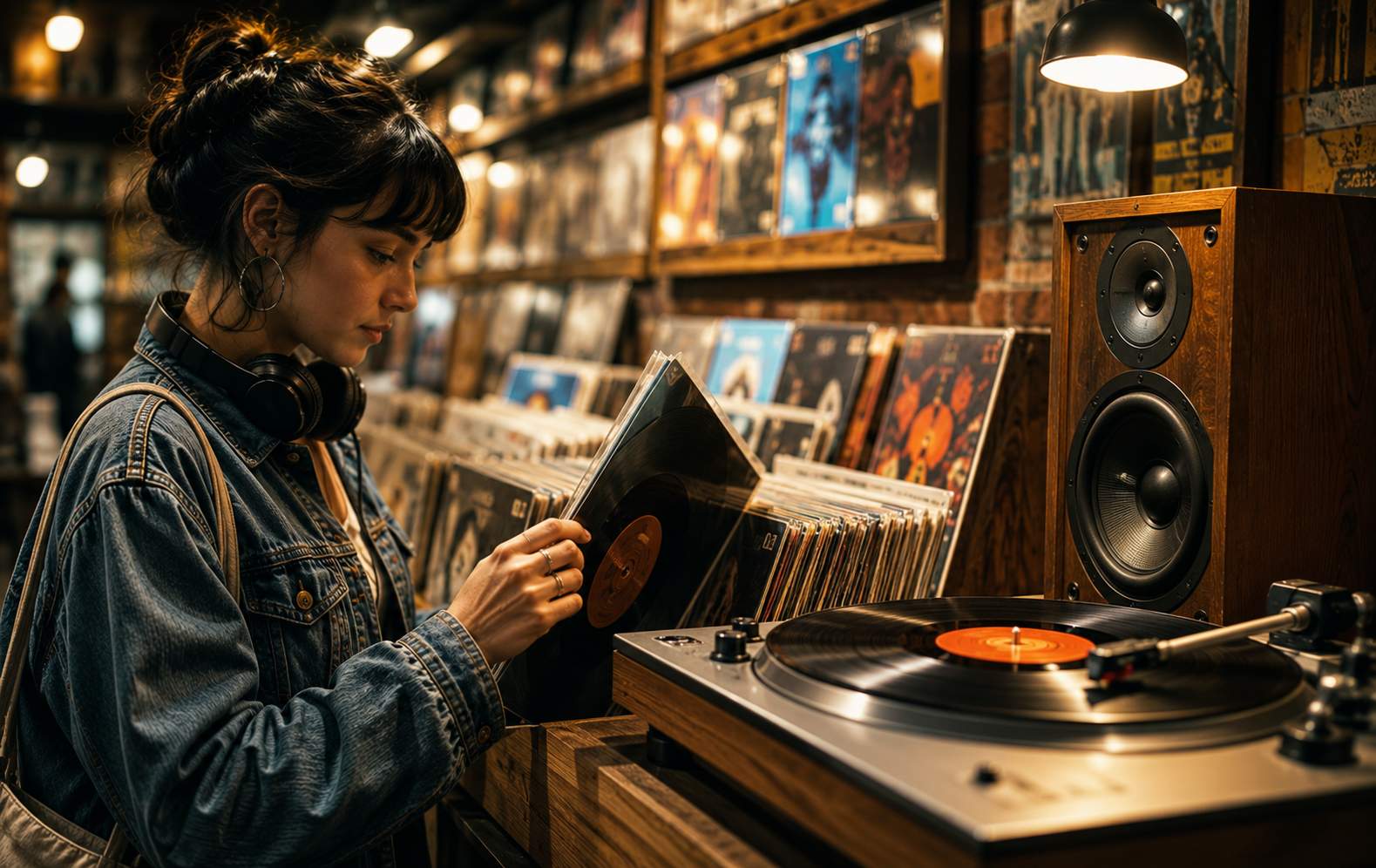
Listening to vinyl requires more attention and involvement. People physically remove the record from its sleeve, place it carefully onto the turntable and intentionally sit down to listen. Many music lovers say this process creates a stronger emotional bond with albums and artists.
Younger audiences especially are beginning to value experiences that feel more authentic and less digital. Vinyl records offer something physical in a world increasingly dominated by screens and instant consumption.
The Nostalgia Factor Behind the Vinyl Revival.
Nostalgia has become one of the biggest drivers behind the resurgence of vinyl records. Retro culture has exploded across fashion, entertainment and technology over the last decade. Vinyl fits naturally into that trend.
Many younger people grew up hearing stories from parents and grandparents about record collections, classic album artwork and spending hours listening to full LPs. Owning vinyl now feels both vintage and modern at the same time.
For older generations, vinyl offers a sense of comfort and familiarity. Many collectors are rebuilding music libraries they once owned decades ago. Albums from artists such as David Bowie, Fleetwood Mac, Pink Floyd and The Beatles continue selling strongly because of the emotional connection listeners feel toward the format.
Even modern artists are embracing the nostalgia trend. New vinyl releases often feature retro-inspired packaging, coloured records and limited-edition designs that appeal to collectors and younger buyers alike.
Vinyl Records Have Become Fashionable Again.
Vinyl records are no longer viewed simply as music products. They have become lifestyle items and status symbols. Record players now appear regularly in home décor trends, social media posts and influencer content.
Platforms such as TikTok and Instagram have played a huge role in making vinyl fashionable again. Users frequently share videos of spinning records, displaying album collections and showing off aesthetically designed listening spaces.
The visual appeal of vinyl is also important. Large album artwork, coloured discs and vintage turntables create a much more engaging experience than simply tapping a phone screen. Many buyers admit they purchase records partly because they enjoy displaying them in their homes.
Independent coffee shops, bars and clothing stores have also helped fuel the trend by using vinyl players to create nostalgic atmospheres. For younger audiences, vinyl represents individuality and personality in a digital age where everything can feel temporary.
Record Shops Are Thriving Again.
One of the clearest signs of vinyl’s return is the resurgence of independent record shops. Across the UK, many local music stores that struggled during the rise of digital music are now experiencing renewed interest.
Cities such as London, Manchester, Liverpool and Bristol have seen strong demand for both vintage records and newly pressed albums. Record Store Day events regularly attract huge crowds of collectors and music fans waiting in long queues for limited-edition releases.
Shop owners say younger customers now make up a surprisingly large percentage of vinyl buyers. Many enter stores looking for classic albums they discovered online, while others are building entirely new collections from scratch.
Large retailers have also responded to the trend. Major supermarkets and chain stores now stock vinyl sections featuring modern pop albums alongside classic rock releases. Even retailers that once abandoned physical music sales entirely have started bringing records back into stores.
The Growing Selection of Record Players.
The increase in vinyl sales has also created massive demand for record players. Modern turntables are now available across every price range, from affordable beginner models to luxury audiophile systems costing thousands of pounds.
Companies such as Audio-Technica, Sony, Rega and Pro-Ject have all benefited from the vinyl resurgence. Entry-level players are especially popular among younger audiences buying their first turntable.
Unlike older record players from previous decades, many modern systems now include Bluetooth connectivity, USB recording functions and wireless speaker compatibility. This combination of vintage listening with modern convenience has helped attract new customers who want the best of both worlds.
Stylish suitcase record players have also become popular, particularly among casual listeners. While serious collectors often prefer higher-end systems, affordable portable turntables have made vinyl more accessible for beginners.
Experts say the variety of available record players has removed many barriers that once prevented younger audiences from entering the vinyl market.
Vinyl Listening Feels More Personal.
Many vinyl enthusiasts believe records create a deeper connection between listeners and music. Unlike streaming services where songs are often skipped after a few seconds, vinyl encourages people to experience albums in full.
Artists originally designed many classic albums to be heard from beginning to end. The physical process of changing records also naturally slows listeners down, making music feel more intentional rather than background noise.
Audio quality is another major reason people return to vinyl. While experts continue debating whether records truly sound better than digital music, many listeners describe vinyl audio as warmer and richer.
The occasional crackles and imperfections found on records can even add character to the listening experience. Fans often say vinyl feels more human and emotional compared to compressed digital streaming.
Younger Generations Are Leading the Trend.
One of the most surprising aspects of the vinyl revival is how strongly younger audiences are driving it. Many Gen Z and millennial listeners never experienced vinyl during its original peak, yet they are now among the biggest buyers.
Experts believe younger audiences are increasingly searching for hobbies and experiences that feel tangible and offline. Vinyl collecting provides both entertainment and personal identity at the same time.
Social media communities dedicated to vinyl records continue growing rapidly online. Users discuss rare pressings, favourite albums and turntable recommendations while sharing photos of collections and listening setups.
The vinyl revival also connects strongly with wider trends involving analogue technology. Film cameras, cassette tapes and retro gaming consoles have all experienced renewed popularity as younger generations seek alternatives to constant digital consumption.
Modern Artists Are Fueling Vinyl Sales.
Vinyl is no longer limited to classic rock albums from previous decades. Modern artists now regularly release special vinyl editions to meet growing demand from fans and collectors.
Taylor Swift, Harry Styles, Arctic Monkeys, Billie Eilish and Lana Del Rey have all achieved huge vinyl sales in recent years. Some artists release multiple coloured versions of the same album, encouraging fans to collect different editions.
Limited-edition vinyl releases have become especially valuable because they create exclusivity in an era where digital music is available instantly to everyone. Fans enjoy owning something physical and rare connected to their favourite artists.
Music industry analysts say vinyl has become one of the most profitable physical music formats remaining in the market today.
Vinyl Collecting Has Become a Hobby and Investment.
For some people, vinyl collecting goes beyond listening to music. Rare records have become highly sought-after collector items that can increase significantly in value over time.
First pressings, limited releases and signed albums can sell for thousands of pounds online. Collectors often spend years searching for rare editions to complete personal collections.
Record fairs and vinyl markets now attract huge crowds across the UK. Enthusiasts travel long distances to browse crates of records and discover hidden gems.
The thrill of physically searching for music also appeals to many collectors. Unlike streaming platforms where songs appear instantly, finding rare vinyl can feel exciting and rewarding.
The Future of Vinyl Records.
Industry experts believe vinyl’s comeback is no longer a temporary trend. While streaming services will continue dominating music consumption overall, records have established themselves as a permanent part of modern music culture once again.
Record pressing plants are expanding production to meet growing demand, while more independent artists are releasing music on vinyl than at any point in recent decades.
The vinyl revival represents more than simple nostalgia. It reflects a wider desire for slower, more meaningful entertainment experiences in a world dominated by fast-moving digital technology.
For many music lovers, vinyl records offer something streaming cannot fully replicate - ownership, atmosphere and emotional connection.
As long as audiences continue searching for authenticity and physical experiences, vinyl records are likely to remain a major part of music culture for years to come.
Have you started listening to vinyl records again or bought your first turntable recently? Share your favourite albums and vinyl discoveries in the comments below.
Do you think vinyl sounds better than streaming music? Join the conversation and let fellow music fans know why records still matter today.
Entertainment News
The Vinyl Comeback Is Bigger Than Anyone Expected
Advertisement


Comments (0)
You must be logged in to post comments.
Don't have an account? Register here
No comments yet. Be the first to share your thoughts!