
Food safety is something most people only think about when something goes wrong. Yet every day, households across Newcastle and the wider UK make decisions about storing, preparing and consuming food that can directly affect their health.
From milk left out on the kitchen counter to chicken stored incorrectly in the fridge, small mistakes can increase the risk of foodborne illness. With food prices remaining high and many families trying to reduce waste, understanding how to safely store and assess common food staples has never been more important.
Recent figures have highlighted the importance of proper food handling. UK health authorities have reported significant increases in some foodborne illnesses, including Campylobacter and Salmonella infections, both of which commonly originate from contaminated food. Campylobacter cases in England rose to more than 70,000 in 2024, the highest level recorded in a decade. Salmonella infections also reached a ten-year high.
For residents across Newcastle, from Gosforth to Heaton and beyond, knowing how to identify safe food and store it correctly can help prevent illness and reduce unnecessary waste.
How To Tell If Milk Is Safe To Drink.
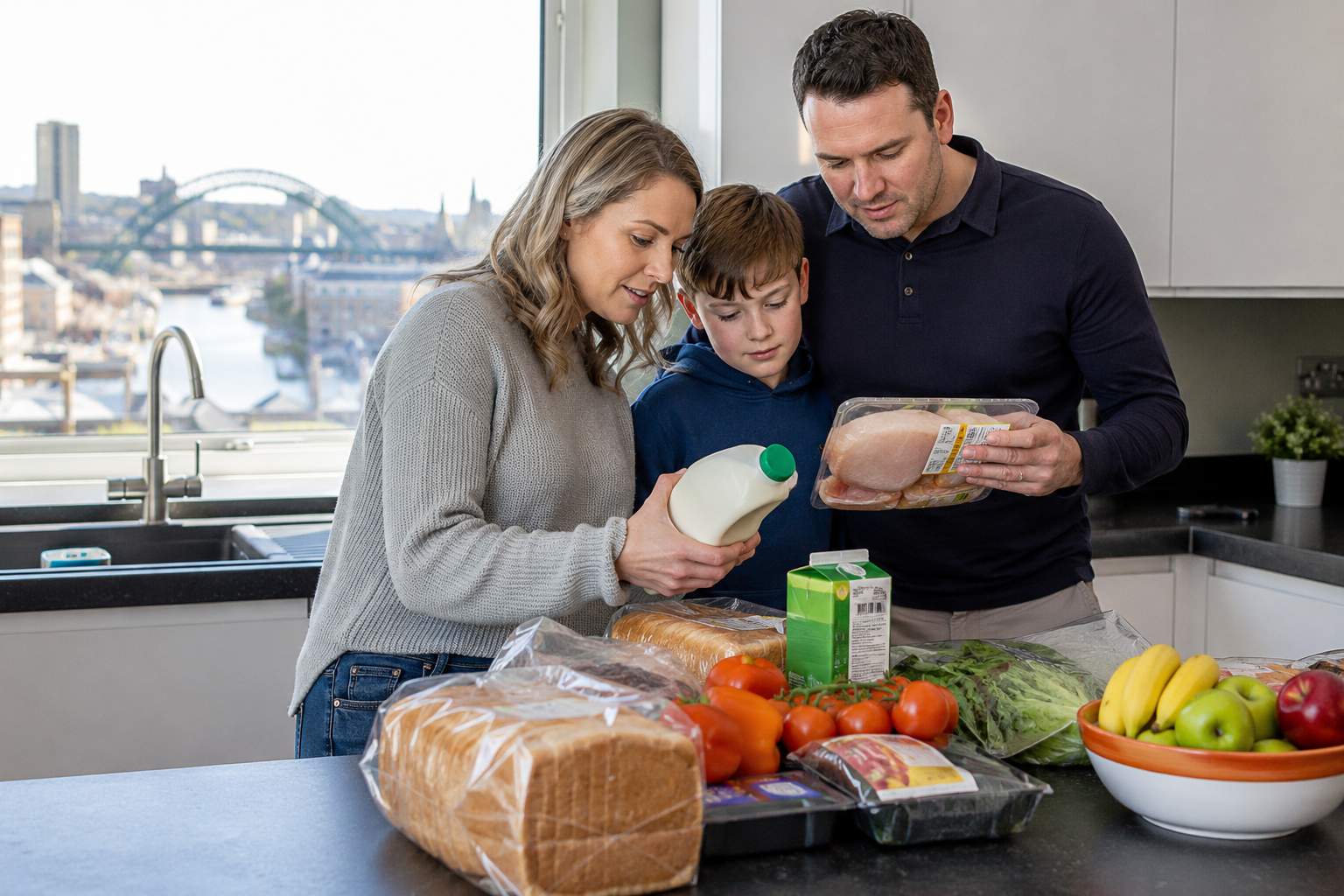
Milk remains one of the most commonly consumed household staples. While many people rely solely on the expiry date, experts recommend checking several factors before consumption.
Fresh milk should have a clean smell and smooth texture. If it develops a sour odour, unusual thickness or visible lumps, it should be discarded immediately.
Milk should ideally be stored at temperatures below 5°C and returned to the fridge as soon as possible after use. Keeping it in the fridge door may seem convenient, but temperature fluctuations can reduce shelf life. A shelf near the back of the refrigerator usually offers more consistent cooling.
Many Newcastle households can save money by avoiding unnecessary disposal of milk that remains safe, but caution should always outweigh attempts to avoid waste.
Chicken And Raw Meat Safety.
Raw poultry is one of the biggest food safety concerns in UK kitchens.
Chicken should always be stored on the lowest shelf of the refrigerator in a sealed container to prevent juices contaminating other foods. Before cooking, consumers should check for unpleasant odours, slimy surfaces or discolouration.
One common myth remains that washing raw chicken improves cleanliness. In reality, food safety authorities warn that washing poultry can spread bacteria through water droplets around the kitchen.
Chicken should be cooked thoroughly until the thickest parts reach a safe internal temperature and no pink meat remains.
Campylobacter remains one of the leading causes of bacterial food poisoning in the UK, with more than 70,000 reported cases during 2024.
Bread, Rice And Pasta Storage Advice.
Bread is generally safe to eat for several days after purchase if stored properly. Signs of spoilage include mould growth, unusual smells or excessive moisture.
Cooked rice presents a lesser-known risk. If left at room temperature for too long, harmful bacteria can multiply quickly. Rice should ideally be cooled rapidly and refrigerated within one hour after cooking.
Cooked pasta follows similar rules. Refrigeration in airtight containers can help preserve freshness for several days.
Food waste remains a significant issue across Britain, and understanding the difference between genuine spoilage and harmless staleness can help households save money without compromising safety.
Fruit And Vegetables: What To Watch For.
Fresh produce often lasts longer than consumers expect.
Many fruits and vegetables remain safe even when they begin showing minor cosmetic imperfections. However, mould growth, foul smells or signs of decay should not be ignored.
Leafy greens should be refrigerated and consumed quickly after opening. Potatoes should be stored in cool, dark conditions rather than refrigerators, where colder temperatures can negatively affect quality.
Newcastle's growing interest in local produce and farmers' markets means many residents are purchasing fresh foods more frequently, making proper storage increasingly important.
Understanding Use By And Best Before Dates.
One of the biggest causes of avoidable food waste is confusion surrounding food labels.
A "use by" date relates to safety. Foods consumed after this date may present health risks and should generally not be eaten.
A "best before" date relates primarily to quality. Foods may still be perfectly safe after this date if stored correctly, though flavour and texture may decline.
Understanding this distinction can help families make informed decisions while reducing unnecessary waste.
Food Safety Incidents And What The Numbers Show.
Food safety remains a major public health issue across the UK.
Recent reports indicate that foodborne infections linked to pathogens such as Campylobacter, Salmonella, E. coli and Listeria continue to pose challenges for health authorities. Food safety agencies also respond to thousands of incidents involving contamination, recalls and supply chain concerns every year.
Experts continue to encourage consumers to follow four key principles: clean, chill, cook and avoid cross-contamination.
Simple actions such as washing hands thoroughly, keeping raw and cooked foods separate, refrigerating perishables promptly and cooking foods to safe temperatures remain among the most effective ways to reduce risk.
The Hidden Cost Of Food Crime In The UK.
Food safety is not the only issue affecting consumers. Retail crime has become an increasing concern across Britain.
Official figures show that shoplifting offences in England and Wales exceeded 516,000 incidents during 2024, representing the highest level since current recording methods began.
Industry groups argue the real number may be considerably higher, with theft costing retailers hundreds of millions of pounds annually. These losses can contribute to increased operating costs and potentially higher prices for consumers.
The North East has also been identified as one of the regions experiencing above-average retail crime rates, making store security and food theft prevention an ongoing challenge for local businesses.
Why Newcastle Residents Should Pay Attention.
Food safety affects every household, regardless of income, age or lifestyle. Whether shopping at a city centre supermarket, visiting a local market or preparing meals at home, the choices people make every day can influence both health and household budgets.
By understanding how to store common foods correctly, recognising warning signs of spoilage and following basic hygiene practices, Newcastle residents can reduce the risk of food poisoning while making the most of their weekly food shop.
As food costs remain a concern for many families, safe food management is becoming just as important as finding the best deals. A little knowledge can go a long way towards protecting both health and finances.
Have you ever discovered a surprising food safety mistake in your own kitchen?
Food & Drink
UK Food Poisoning Cases Hit New High: What Newcastle Residents Need To Know
Advertisement





Comments (0)
You must be logged in to post comments.
Don't have an account? Register here
No comments yet. Be the first to share your thoughts!