
From farmland to city pavements, pesticides play a major role in keeping weeds, pests and invasive plants under control. Yet the rules governing how they are approved and used are changing, with the UK Government introducing new policies aimed at reducing environmental impacts while maintaining food production and public safety.
For residents across Newcastle and the wider North East, the changes could influence everything from council weed spraying programmes to the products used on nearby farms. Glyphosate remains at the centre of the debate, with supporters describing it as an essential weed management tool and critics arguing the UK should accelerate the move towards safer alternatives.
The latest policy changes do not amount to an outright ban. Instead, they signal a gradual shift towards reducing reliance on pesticides where practical and encouraging integrated methods that use chemicals only when necessary.
What has changed?
In 2025, the UK Government published its updated National Action Plan for the Sustainable Use of Pesticides, setting out a long-term strategy to reduce the environmental risks associated with pesticide use.
One of the headline commitments is a target to reduce the overall environmental impact of pesticides by 10 percent by 2030 using a new Pesticide Load Indicator. Rather than simply measuring the volume of chemicals used, the indicator also considers the relative risks different pesticides pose to wildlife and ecosystems.
The strategy also places greater emphasis on Integrated Pest Management, often referred to as IPM. This encourages farmers, councils and land managers to use a combination of techniques such as crop rotation, mechanical weed removal, improved planting methods and biological controls before turning to chemical treatments.
Where does glyphosate fit into the picture?
Glyphosate remains one of the most widely used herbicides in Britain.
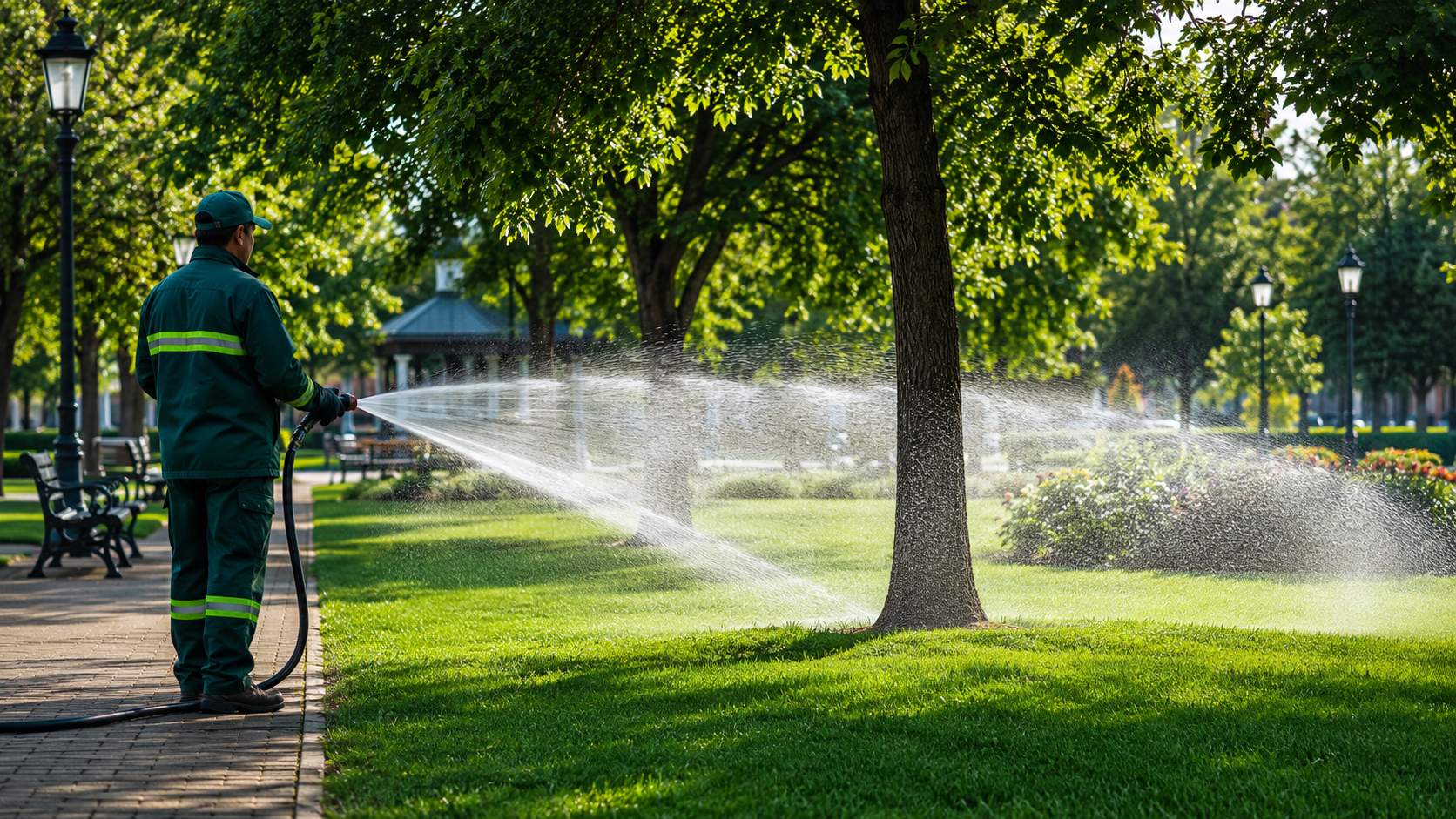
It is commonly used by farmers before planting crops, by railway operators, highway authorities and local councils responsible for keeping roads and pavements clear of vegetation.
In Great Britain, glyphosate remains approved while the Health and Safety Executive carries out its latest renewal assessment. The current approval has been extended until 15 December 2026 to allow the scientific review to be completed. Regulators say the assessment will consider the latest research alongside previous evidence before deciding whether approval should continue.
Northern Ireland follows a different regulatory framework under the Windsor Framework, meaning EU pesticide rules continue to apply there.
Why is glyphosate so controversial?
The scientific debate surrounding glyphosate has continued for more than a decade.
In 2015, the International Agency for Research on Cancer classified glyphosate as "probably carcinogenic to humans". However, regulators including the UK's Health and Safety Executive and the European Food Safety Authority have reached different conclusions, stating that approved products are unlikely to pose a cancer risk when used according to strict regulations.
That difference in scientific interpretation has fuelled continued public debate.
Environmental groups argue glyphosate can reduce biodiversity by removing flowering weeds that support bees and other pollinators. Farming organisations counter that removing glyphosate too quickly could increase cultivation, fuel consumption and production costs while reducing crop efficiency.
What does this mean for Newcastle and the North East?
Although much of the discussion focuses on farming, the policy changes also affect local authorities.
Councils including Newcastle City Council use approved herbicides to manage weeds on roads, pavements and other hard surfaces to reduce trip hazards and protect infrastructure. At the same time, many authorities across Britain are investigating whether some areas can be maintained using lower chemical inputs, manual removal or alternative technologies.
For the North East, the issue extends beyond towns and cities. Agriculture remains a significant part of the regional economy, with thousands of hectares of arable land requiring weed management every year. Any future restrictions on glyphosate would therefore have implications for both public services and farming businesses.
What alternatives are available?
No single replacement currently offers the same combination of effectiveness, speed and affordability as glyphosate across every situation.
Instead, organisations are increasingly combining different methods.
These include mechanical brushing, manual weeding, steam treatment, hot foam systems, mulching, cover crops and precision spraying technologies that reduce the amount of herbicide applied.
Some councils have trialled electric weed control systems, while others have expanded wildflower planting schemes that naturally suppress unwanted vegetation in selected locations.
Each alternative has advantages, but many also involve higher labour costs, greater energy use or more frequent treatment schedules.
The numbers behind the issue.
Several figures help explain why pesticide regulation continues attracting national attention.
The UK Government aims to reduce the environmental impact of pesticides by 10 percent by 2030 through its National Action Plan.
Glyphosate has been used commercially for more than 50 years, making it one of the world's most extensively researched herbicides.
Great Britain's approval for glyphosate currently runs until 15 December 2026 while regulators complete a full scientific review.
The National Action Plan encourages Integrated Pest Management across agriculture and public land to reduce dependence on chemical controls over time.
What happens next?
The future of glyphosate in Britain remains under close review.
The Health and Safety Executive will publish its scientific conclusions following the renewal assessment, while the Government continues rolling out its wider pesticide reduction strategy. At the same time, researchers and manufacturers are investing in technologies that could eventually reduce dependence on traditional herbicides.
For people living across Newcastle and the North East, the debate is likely to become increasingly visible over the coming years. Whether it involves roadside weed spraying, farming practices or environmental protection, the conversation is shifting away from whether pesticides should exist and towards how they can be used more responsibly while protecting public health, biodiversity and food production.
Share your views.
Do you think banning glyphosate weed killers can help protect public health and biodiversity?
Political News
UK Government Weighs Future of Glyphosate Weed Killer Use
Advertisement


Comments (0)
You must be logged in to post comments.
Don't have an account? Register here
No comments yet. Be the first to share your thoughts!