
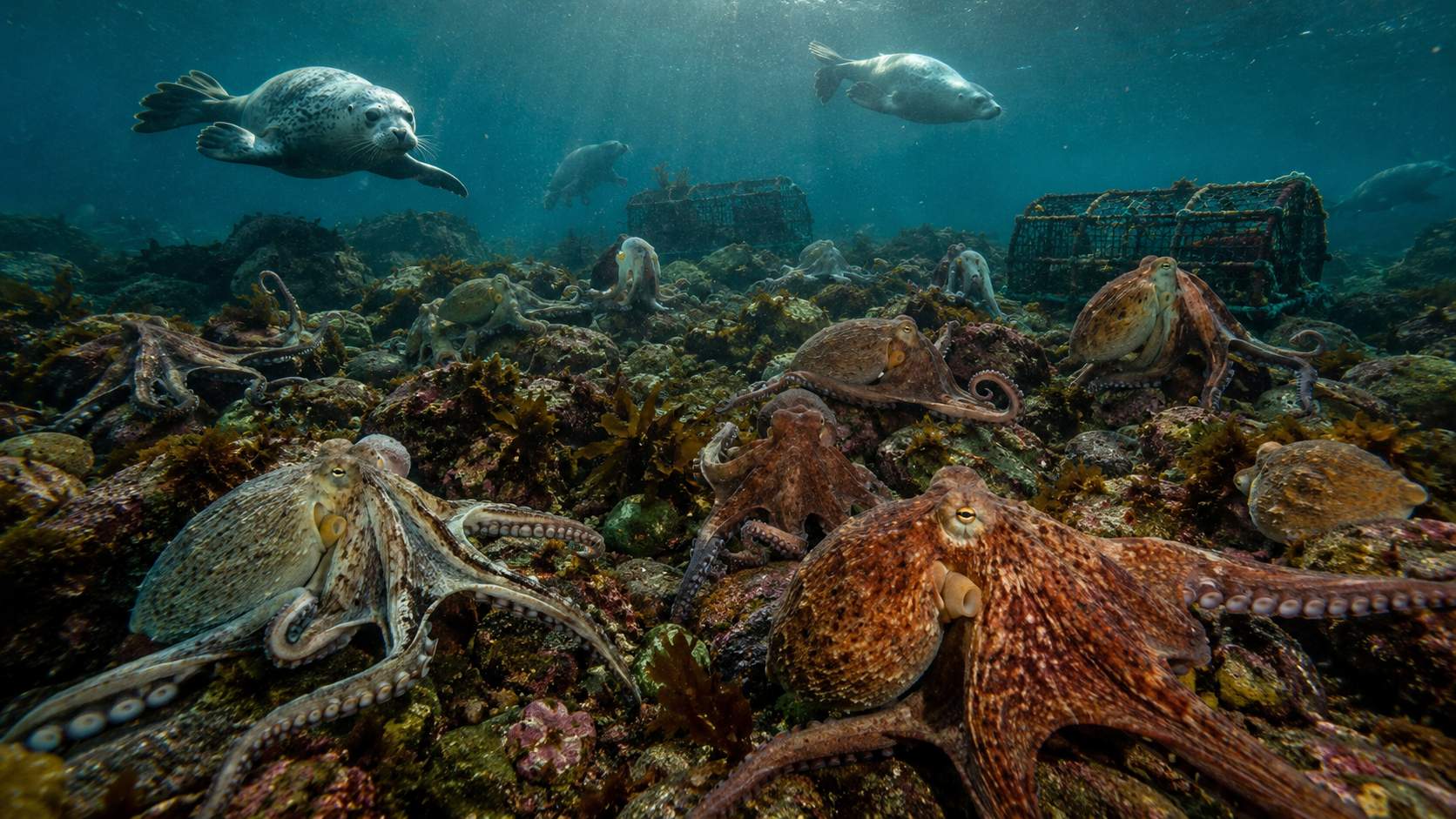
A remarkable surge in octopus populations across UK waters is continuing to spread northward, with sightings now being reported as far as Scotland and Wales. Marine researchers say the phenomenon is one of the largest octopus population booms ever recorded in British waters, bringing major changes for fishing communities, marine ecosystems and coastal economies, including areas connected to Newcastle and the wider North East coastline.
Scientists first began documenting unusually high numbers of common octopuses along the south-west coast of England during 2025. Since then, reports from researchers, divers and fishermen have revealed a rapid expansion of the species into new regions, sparking growing interest among marine experts.
The common octopus, also known as Octopus vulgaris, has long existed in UK waters. However, it has traditionally been found in relatively low numbers, making encounters uncommon. The latest surge is changing that picture dramatically.
Warmer Seas Driving Population Growth.
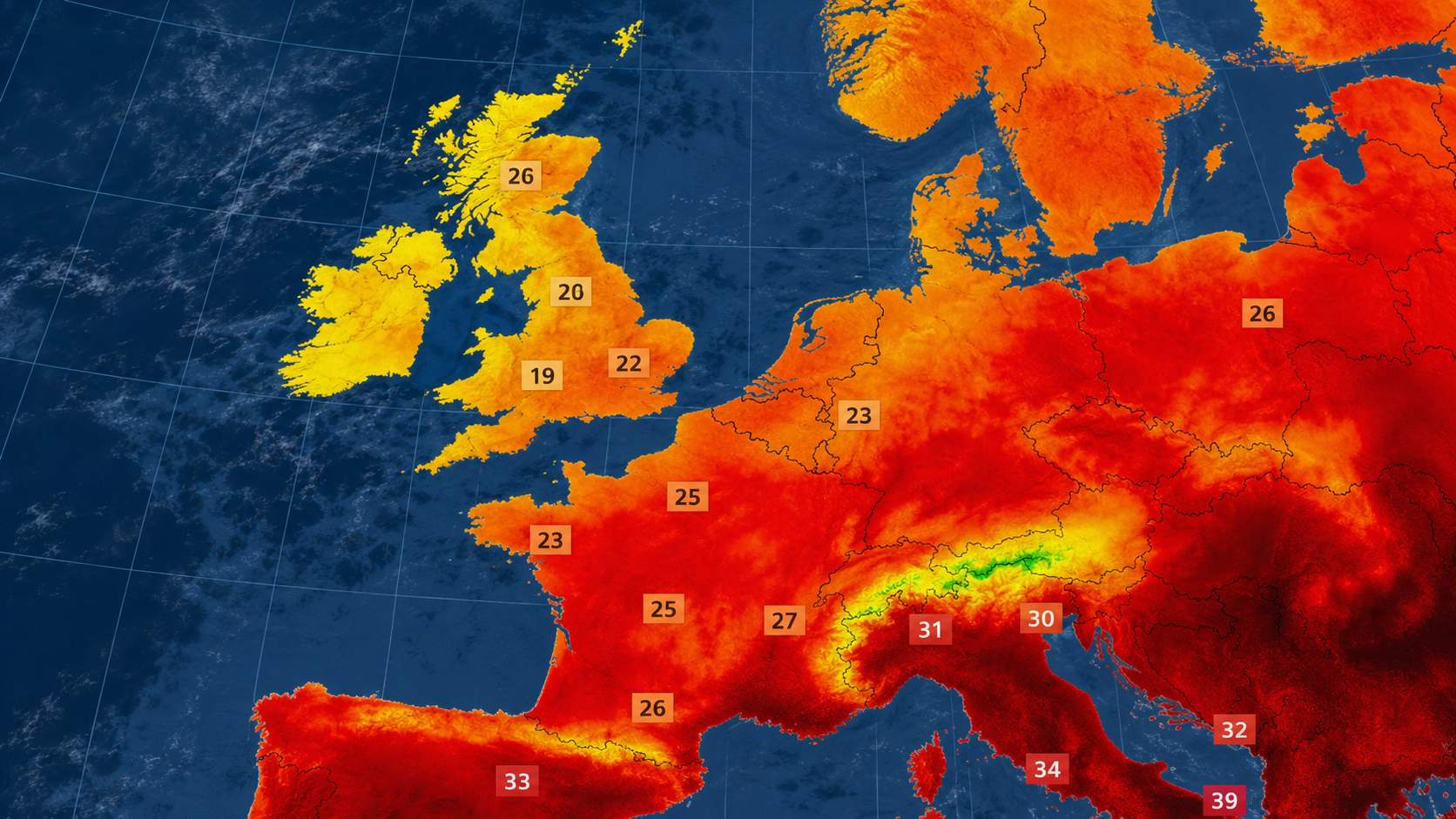
Marine scientists believe rising sea temperatures are playing a key role in the explosion of octopus numbers. A combination of milder winters and warmer spring breeding conditions has created an environment in which octopuses can thrive.
According to the UK Met Office, sea surface temperatures around Britain have shown a long-term warming trend over recent decades. Researchers say these conditions are creating more suitable habitats for species that traditionally preferred warmer southern waters.
The Marine Biological Association has described the current bloom as potentially the largest seen in modern records. Experts monitoring coastal waters say the spread has exceeded expectations, with sightings stretching from Cornwall and Devon to Wales, southern England and Scotland.
The trend is also attracting attention in the North East, where marine enthusiasts and coastal communities around Newcastle are increasingly monitoring changes in North Sea wildlife populations.
Fishing Industry Faces Winners and Losers.
The rapid increase in octopus numbers is creating both opportunities and challenges for Britain's fishing sector.
Fishermen targeting shellfish such as crabs and lobsters have reported significant difficulties. Octopuses are highly intelligent and efficient predators, often entering fishing pots and feeding on valuable catches before they can be landed.
At the same time, commercial demand for octopus is growing. Some fishing operators have adapted quickly and are benefiting from record catches.
Industry figures reveal that octopus landings increased by an astonishing 7,700% during 2025. One of the most striking examples came from Brixham Fish Market in Devon, where reports indicated that around 100 tonnes of octopus were sold in a single day, setting a new record.
For coastal communities that depend heavily on shellfish fishing, the changes have created economic uncertainty. Some operators have been forced to rethink their business models as traditional catches decline.
Marine Ecosystems Undergoing Major Changes.
The impact extends far beyond the fishing industry.
Octopuses sit high in the marine food chain and can significantly influence local ecosystems. Their growing numbers mean increased predation on shellfish and smaller fish species, potentially altering population balances that have existed for decades.
At the same time, octopuses provide a valuable food source for larger marine animals. Seals, conger eels and Risso's dolphins are among the species expected to benefit from greater prey availability.
Marine conservation groups say the boom highlights how climate-related changes can have complex consequences throughout an ecosystem. A shift affecting one species often triggers a chain reaction that influences many others.
Researchers are particularly interested in monitoring how these developments may affect North Sea habitats near Newcastle and along the Northumberland coastline over the coming years.
Public Interest Continues to Grow.
One of the most notable aspects of the octopus boom has been the level of public engagement.
Hundreds of recreational divers, snorkellers and wildlife enthusiasts have contributed observations to scientific surveys. Citizen science projects have become increasingly important in tracking the movement of octopus populations across Britain's coastline.
Interest in marine wildlife has risen significantly in recent years. According to VisitEngland tourism data, coastal destinations remain among the UK's most popular leisure attractions, drawing millions of visitors annually. Growing awareness of marine conservation is helping researchers gather valuable information about changing ocean conditions.
For Newcastle residents with close ties to the coast, the expanding presence of octopuses offers a fascinating glimpse into how climate and environmental changes are reshaping British waters.
What Happens Next?
Scientists say it remains unclear whether the current octopus boom will continue, stabilise or eventually decline. Much will depend on future sea temperatures, breeding success and broader environmental conditions.
What is clear, however, is that Britain's marine environment is changing. From Cornwall to Scotland, and increasingly across the North East coast near Newcastle, the growing presence of octopuses is becoming one of the most visible signs of a shifting ocean ecosystem.
Researchers will continue monitoring populations closely, while fishing communities adapt to a marine landscape that looks very different from just a few years ago.
Join the Conversation.
Have you spotted unusual marine wildlife along the Newcastle or Northumberland coastline recently?
Local News
UK's Octopus Explosion Reaches Newcastle & Northumberland Coastline as Seas Continue to Warm
Advertisement




Comments (0)
You must be logged in to post comments.
Don't have an account? Register here
No comments yet. Be the first to share your thoughts!