
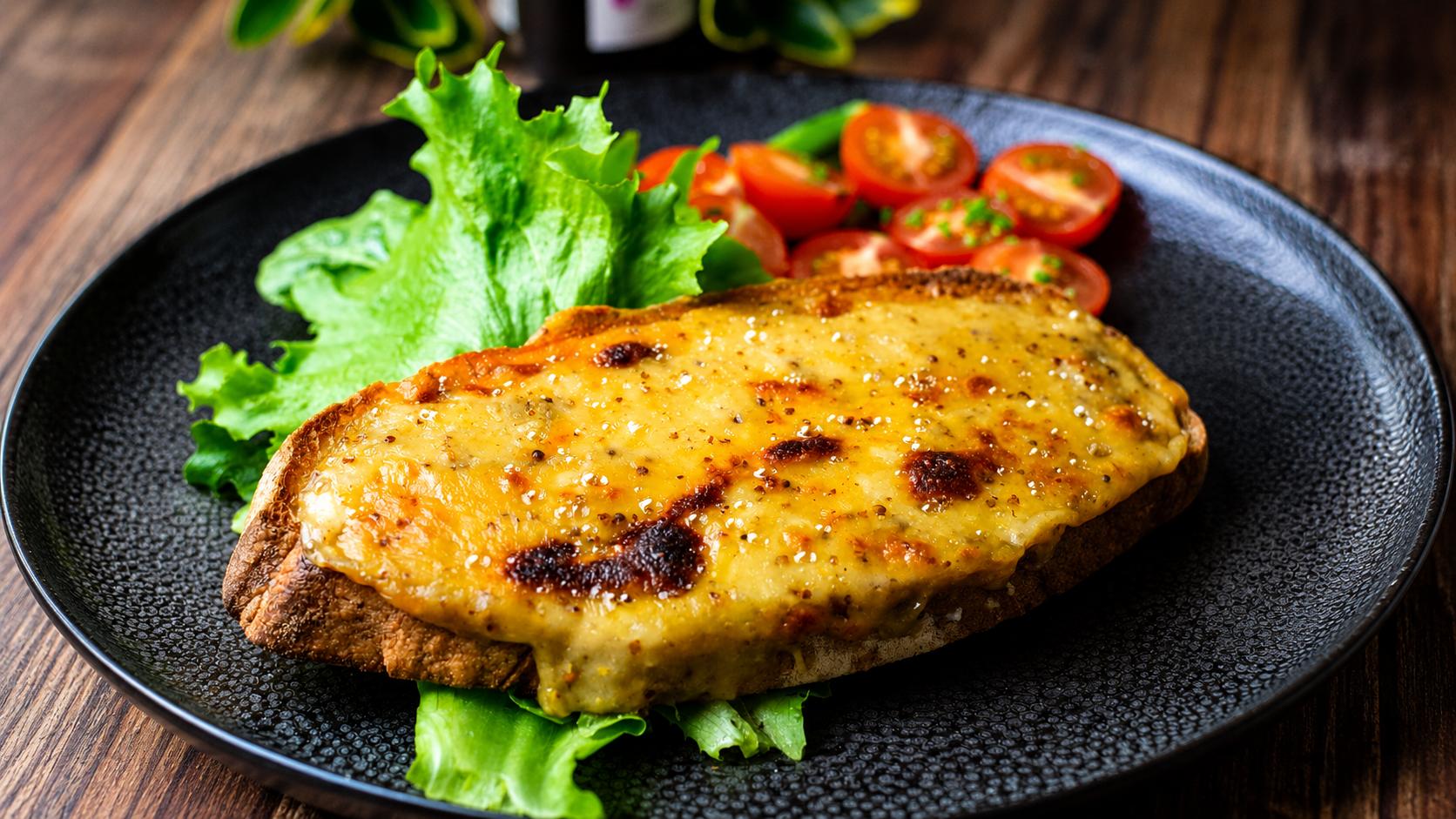
Cheese on toast is not a dish that requires explanation. Welsh rarebit is something else entirely: a properly made sauce, thickened and seasoned, poured over toast and grilled until it blisters.
It also carries one of the more awkward names in British cookery, and the history behind that name is less flattering than the dish deserves.
Here is where it came from and what separates it from its simpler cousin.
The original name was Welsh rabbit.
The dish appears in print in the early eighteenth century as Welsh rabbit, and that was the standard name for a considerable period.
The joke, such as it was, rested on the idea that a Welsh household could not afford meat, so melted cheese served as the rabbit. It sits alongside a number of similar constructions of the era in which a nation's name was attached to a cheap substitute.
It was not a compliment, and it reflects a long tradition of English humour at Welsh expense rather than any Welsh claim to have invented the dish.
Rarebit is a later correction.
The word rarebit appears later in the eighteenth century, apparently as an attempt to make sense of a name that seemed to promise rabbit and deliver none.
It is what linguists call a folk etymology, a reinterpretation of a word that was never a word to begin with. Rarebit does not mean anything outside this dish.
Both names remained in use for a long time, and some traditionalists still insist on rabbit. Rarebit has generally won, partly because it avoids explaining the joke.
Hannah Glasse recorded early versions.
The dish appears in eighteenth-century cookery books, including in the work of Hannah Glasse, whose influential volume on plain cookery described Welsh, Scotch and English rabbits as variations on toasted cheese.
Those early versions were simpler than modern rarebit, generally involving cheese toasted and laid on bread, sometimes with the bread soaked in wine.
The sauced version, thickened and enriched, developed later and reflects the Victorian appetite for savoury dishes served at the end of a meal.
The savoury course explains its refinement.
In Victorian and Edwardian dining, a savoury was served after the sweet course, particularly at dinners where port followed.
Rarebit, along with devils on horseback, anchovy toast and similar preparations, belonged to this tradition. That context pushed the dish upmarket and encouraged the more elaborate preparations found in period cookbooks.
The savoury course has largely disappeared, but rarebit survived by moving to lunch and supper, where it has stayed.
What actually makes it rarebit.
The essential difference from cheese on toast is that rarebit involves a sauce rather than simply melted cheese.
A typical preparation begins with butter and flour cooked to a roux, to which beer, usually a decent ale, is added along with grated cheese, English mustard, Worcestershire sauce and pepper. Some versions use milk or cream instead of, or alongside, the beer.
The mixture is cooked until thick and smooth, allowed to cool slightly so it will sit rather than run, then spread on toast and grilled until browned and bubbling.
The seasoning matters more than people expect. Mustard and Worcestershire sauce provide sharpness that cuts through the richness, and without them the result is heavy.
Cheese choice makes a real difference.
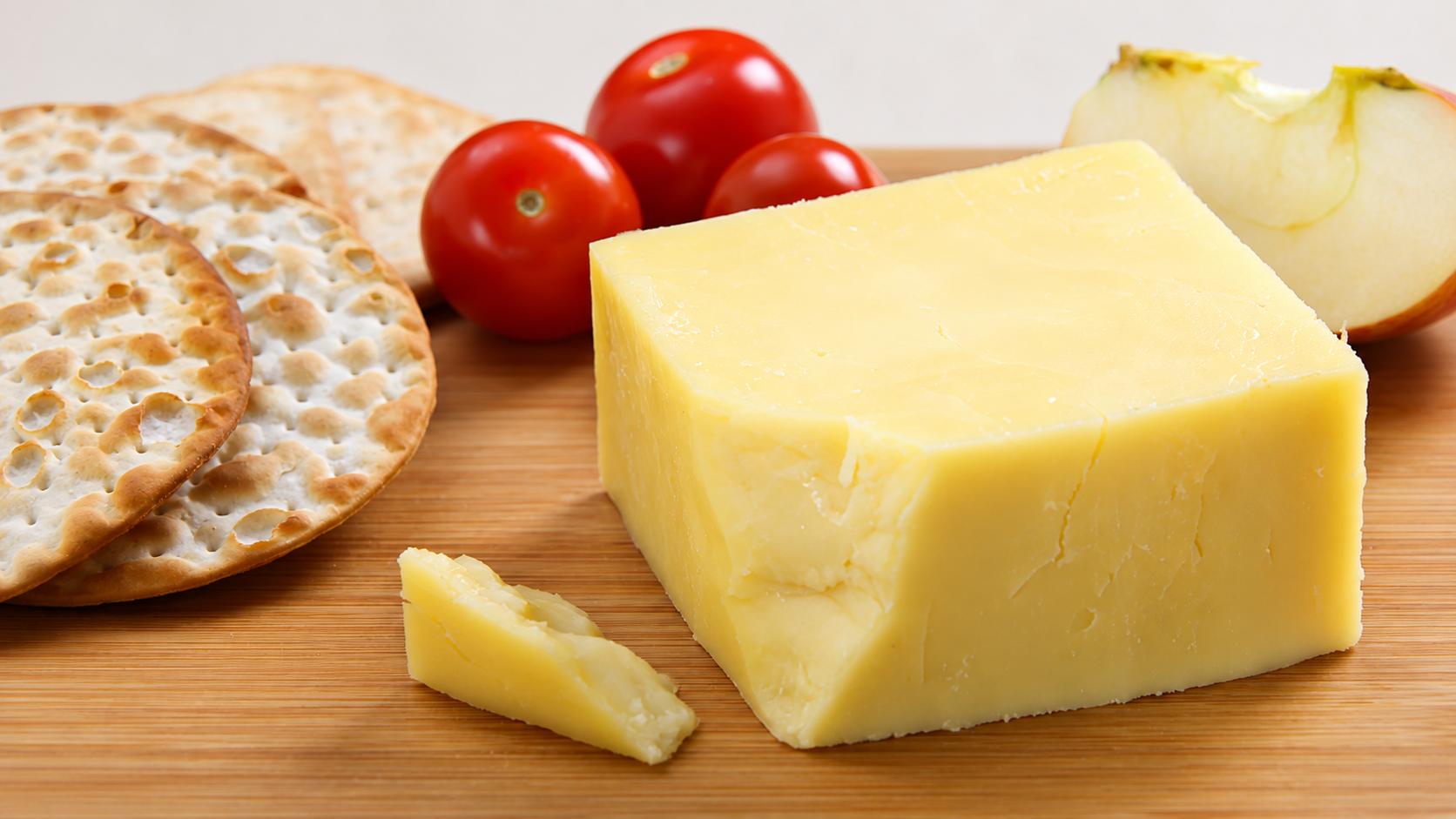
A strong, mature hard cheese works best. Mature Cheddar is the usual choice, and Welsh cheeses including Caerphilly are used for obvious reasons.
Mild cheese produces a bland sauce that needs more seasoning to compensate. Very fatty cheeses can split when heated, so a proper roux base helps keep the sauce stable.
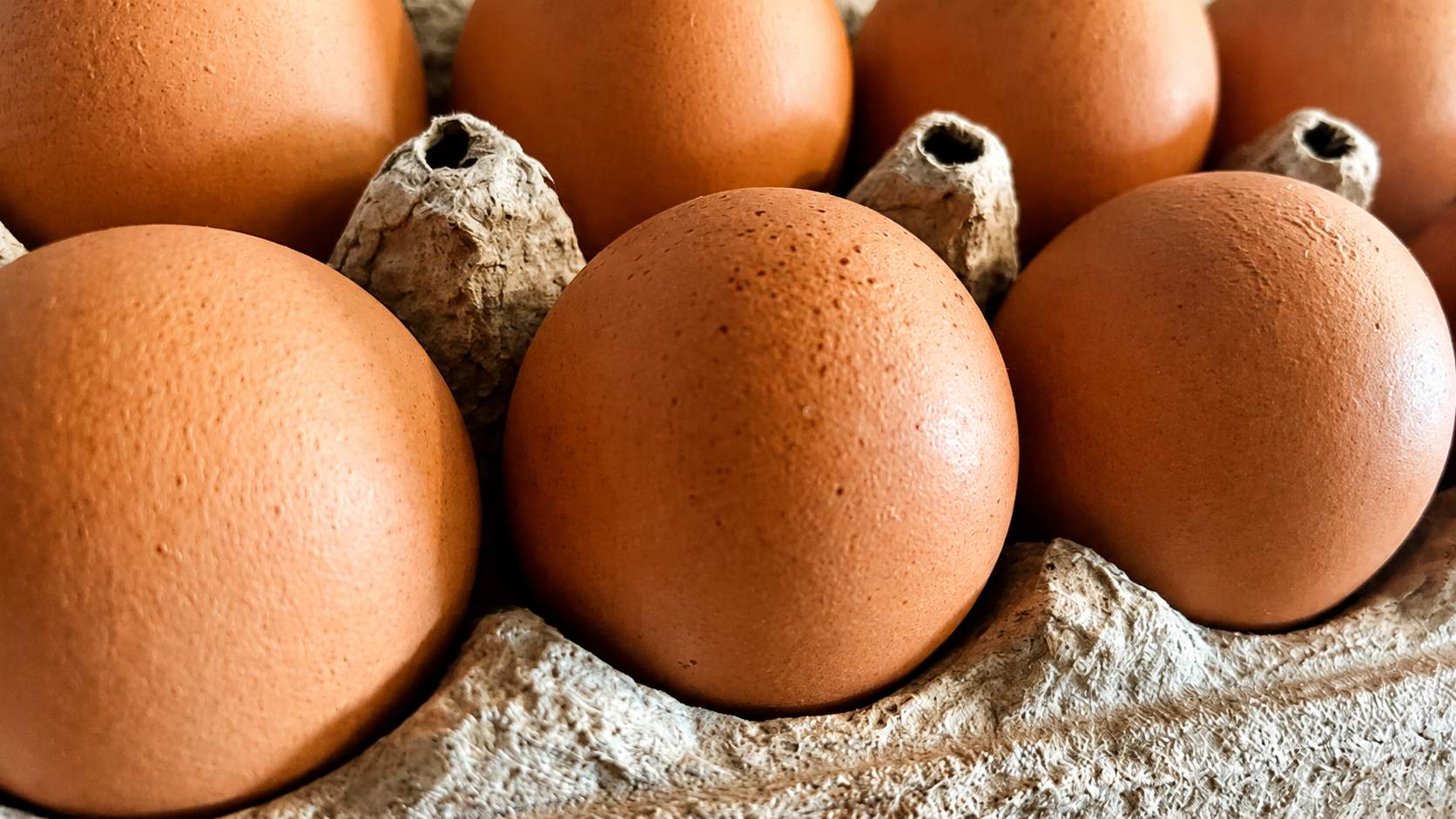
Some recipes add an egg yolk for richness and to help the topping set and colour under the grill.
Buck rarebit adds an egg.
Topping a finished rarebit with a poached egg turns it into buck rarebit, which is a substantial meal rather than a snack.
Other variations exist. Adding chopped ham, tomato, or a spoonful of chutney all appear regularly, and there are regional and household versions of every kind.
Purists object to most of them, as purists do, but the dish has always been an improvisation on cheese and bread.
Its relatives are worth knowing.
The eighteenth-century cookery books that recorded Welsh rabbit also listed Scotch rabbit and English rabbit, distinguished by preparation rather than by nation. Scotch rabbit was toasted cheese laid plainly on bread, while English rabbit involved bread soaked in red wine.
Blushing bunny, a later variation, adds tomato soup or tomato to the sauce, producing a pinker result and a name that has aged about as well as the original joke.
Across the Channel, croque monsieur occupies similar territory, and the two dishes are frequently compared. The essential difference is that rarebit relies on a sauce poured over open toast, while the croque is a closed, fried sandwich finished with béchamel.
It remains a fixture of British menus.
Rarebit appears on gastropub menus across the country, frequently with an accompanying pickle or a small salad, and it works particularly well with a pint of the same ale used in the sauce.
It is also among the cheapest genuinely satisfying things to make at home, requiring nothing that is not already in most kitchens.
For a dish that began as a joke at someone else's expense, it has aged considerably better than the humour that named it.
Share your thoughts.
Do you make proper rarebit, or is grated cheese under the grill good enough?
Food & Drink News
Welsh Rarebit: The Story Behind a Cheese on Toast
It began as a joke at Wales's expense, became a refined Victorian savoury and remains the best thing anyone has done with cheese and bread.
Advertisement

Comments (0)
You must be logged in to post comments.
Don't have an account? Register here
No comments yet. Be the first to share your thoughts!