
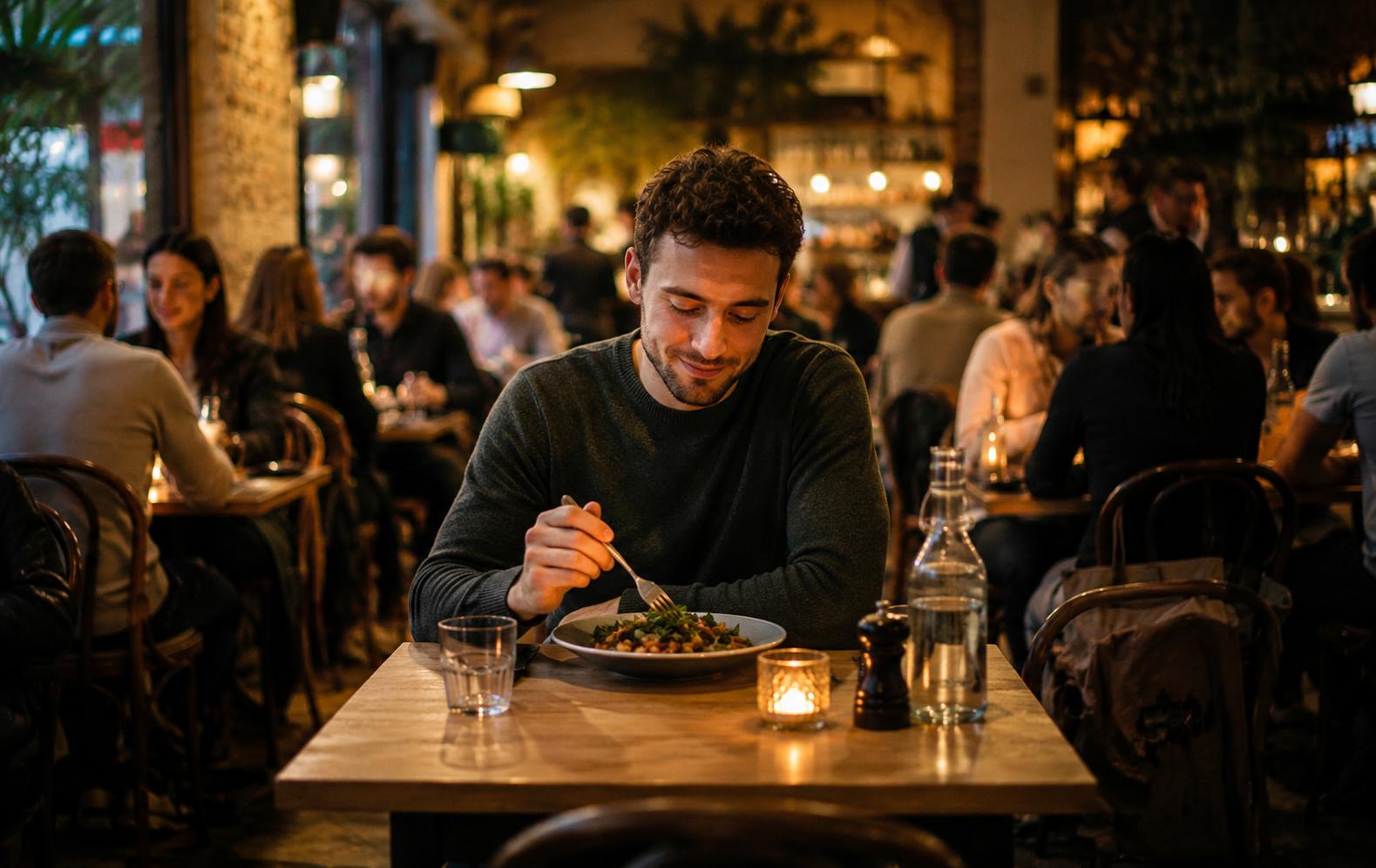
A growing lifestyle trend known as the “Solo Table Theory” is beginning to gain momentum across Newcastle, with more people confidently dining alone, visiting cafes independently and embracing solo experiences without embarrassment.
The trend, which has exploded across TikTok and Instagram in recent months, encourages people to feel comfortable spending time alone in public spaces rather than relying on constant social company. While the idea may sound simple, supporters say it represents a wider shift in attitudes towards independence, confidence and mental wellbeing.
Across Newcastle city centre, it is becoming increasingly common to see people sitting alone in coffee shops, restaurants and bars while reading, working or simply enjoying their own company. From Jesmond brunch spots to independent cafes near Grey Street and the Quayside, solo dining is no longer viewed as unusual by many younger residents.
Lifestyle experts say the popularity of the Solo Table Theory reflects changing social habits, especially among younger adults who are prioritising self-confidence and emotional wellbeing over traditional social expectations.
What is the Solo Table Theory.
The Solo Table Theory centres around the idea that people should feel comfortable doing activities alone without worrying about how they are perceived by others.
Although most commonly associated with solo dining, supporters say the theory applies to many situations, including visiting cinemas, shopping alone, travelling independently or attending events without friends or partners.
The phrase became widely discussed online after social media users began documenting experiences of intentionally sitting alone at restaurants or cafes. Many admitted they initially felt anxious before realising the experience was far less intimidating than expected.
In Newcastle upon Tyne, the trend appears to be resonating particularly strongly with students, remote workers and young professionals who regularly spend time in the city’s cafes and social spaces.
Supporters argue the theory is not about isolation or loneliness. Instead, they say it encourages people to build confidence and become comfortable in their own company.
Newcastle’s cafe culture helping the trend grow.
Newcastle’s growing independent cafe scene has played a major role in making solo dining feel more normal and accessible.
Areas such as Ouseburn, Jesmond and the city centre are filled with coffee shops and casual dining venues where individual customers can comfortably spend time alone without attracting attention.
Many cafes now cater naturally towards solo visitors by offering relaxed seating layouts, laptop-friendly spaces and quieter atmospheres suitable for working or reading independently.
The rise of remote and hybrid working has also contributed to changing habits across Newcastle. Cafes are no longer used purely for social meetings, with many people choosing to work remotely while enjoying coffee or lunch in public spaces.
Some Newcastle residents say the Solo Table Theory has encouraged them to explore more of the city independently, whether that means trying new restaurants on Grainger Street, visiting exhibitions at the Baltic or spending time alone along the Quayside.
For many people, the trend has helped remove the stigma that once surrounded being alone in public.
Why the Solo Table Theory appeals to younger people.
Experts believe younger generations are especially drawn towards the Solo Table Theory because of wider conversations around mental health, confidence and self-care.
Social media has created constant pressure for people to appear socially busy and connected, which can make solitude feel uncomfortable for some individuals. The theory challenges that mindset by encouraging people to stop associating being alone with failure or loneliness.
Many younger adults in Newcastle say they are becoming more intentional about protecting their mental wellbeing and building confidence outside social validation.
Students attending Newcastle University and Northumbria University are among those embracing solo experiences more openly. For students living away from home or adjusting to city life, learning to enjoy time independently can become an important part of personal growth.
Supporters of the theory often say solo dining or spending time alone helped them become less anxious about how strangers perceive them in public settings.
The psychological benefits behind the trend.
Mental health specialists say there can be genuine emotional benefits linked to learning how to spend time alone comfortably.
One of the biggest advantages often associated with the Solo Table Theory is increased confidence. Successfully navigating public spaces independently can help people feel more self-assured and emotionally resilient.
Some psychologists also believe solo experiences can reduce social anxiety by helping individuals gradually confront situations they previously avoided.
Supporters say solo dining often creates opportunities for mindfulness and relaxation. Without the distraction of conversation or social expectations, people may become more aware of their surroundings and personal thoughts.
In busy cities such as Newcastle upon Tyne, moments of quiet independence can sometimes provide a welcome break from hectic routines and constant digital interaction.
Experts stress that healthy solitude is different from isolation. Maintaining friendships and social connections remains important, but becoming comfortable alone can still have positive effects on wellbeing.
Newcastle restaurants are adapting to changing habits.
As solo dining becomes more common, restaurants and hospitality businesses across Newcastle are gradually adapting to changing customer behaviour.
Many venues now offer seating arrangements better suited to individual diners, including counter seating, shared tables and relaxed lounge areas.
Hospitality experts say attitudes towards solo customers have changed significantly over the past decade. Eating alone is increasingly viewed as normal rather than awkward or unusual.
Some Newcastle restaurants even report noticeable increases in single bookings, particularly during weekday lunches and evenings.
The city’s strong food culture has also encouraged people to become more adventurous independently. Rather than waiting for friends to be available, some residents are choosing to experience new restaurants, coffee shops and bars on their own schedule.
For many supporters of the Solo Table Theory, that sense of freedom is one of the trend’s biggest attractions.
Critics say the trend is being overhyped.
Despite its growing popularity, not everyone believes the Solo Table Theory deserves the level of attention it has received online.
Some critics argue the trend simply repackages ordinary behaviour into a viral social media concept. Others believe platforms like TikTok are partly responsible for creating anxiety around being alone in the first place.
However, supporters say the widespread discussion itself proves many people previously felt uncomfortable doing activities independently.
In cities like Newcastle, where nightlife and social culture are deeply embedded in everyday life, solo experiences may once have carried more stigma than they do today.
Lifestyle experts believe the conversation around the Solo Table Theory reflects wider cultural changes as people place greater importance on independence and personal wellbeing.
Why the trend may continue growing in Newcastle.
With Newcastle continuing to attract students, young professionals and remote workers, experts believe the Solo Table Theory is unlikely to disappear anytime soon.
The city’s expanding cafe culture, thriving independent businesses and relaxed social atmosphere make it an ideal place for people exploring solo experiences.
As attitudes towards independence evolve, activities once considered uncomfortable to do alone are becoming increasingly accepted.
Supporters say the theory ultimately encourages people to stop worrying about outside judgment and start focusing on what genuinely makes them happy.
For some Newcastle residents, sitting alone at a table may seem like a small act. For others, it represents confidence, independence and a healthier relationship with themselves.
Whether viewed as a meaningful lifestyle movement or simply another viral trend, the Solo Table Theory has clearly sparked conversation across Newcastle upon Tyne and beyond.
Have you tried solo dining or spending time alone in Newcastle? Share your experiences in the comments and let us know whether you think the Solo Table Theory is changing social habits across the city.
Health News
What Is the 'Solo Table Theory' and Why Is It Becoming So Popular?
Advertisement





Comments (0)
You must be logged in to post comments.
Don't have an account? Register here
No comments yet. Be the first to share your thoughts!