
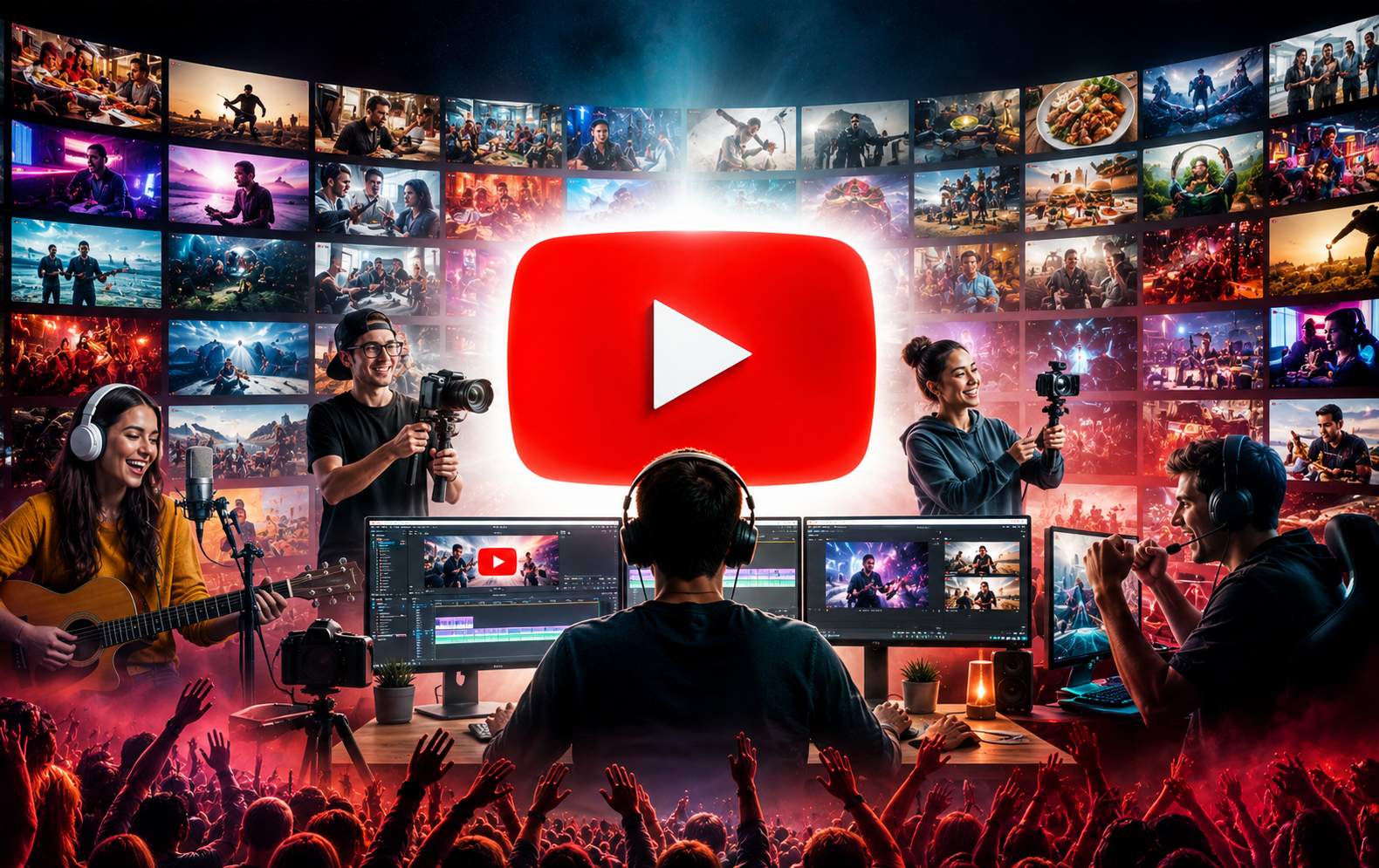
Few websites have had a bigger impact on internet culture than YouTube. Since launching in 2005, the platform has completely transformed how people consume entertainment, learn new skills and communicate online. From viral videos and music streaming to podcasts and full-length documentaries, YouTube has evolved into one of the most influential websites in the world.
While newer social media platforms continue competing for attention, YouTube remains the dominant force in online video. Billions of people use the platform every month for entertainment, education, gaming, news and business content, making it one of the most important digital platforms ever created.
What makes YouTube especially unique is its ability to appeal to almost every age group and interest category. Unlike many social platforms that focus heavily on trends or short-term engagement, YouTube has built an ecosystem designed around long-form content, creator communities and searchable videos that can remain relevant for years.
How YouTube First Started.
YouTube was officially launched in February 2005 by former PayPal employees Steve Chen, Chad Hurley and Jawed Karim. The idea behind the platform was surprisingly simple - creating an easy way for people to upload and share videos online.
At the time, uploading video content to the internet was complicated and often required technical knowledge. YouTube simplified the process dramatically by allowing users to upload videos directly through a web browser and instantly share them with others.
The platform's first-ever uploaded video, titled "Me at the Zoo", featured co-founder Jawed Karim standing in front of elephants at San Diego Zoo. While simple, the clip marked the beginning of a major shift in internet culture.
YouTube quickly gained popularity because it removed barriers that previously limited online video sharing. Anyone with a camera and internet connection could suddenly publish content to a global audience.
Google's Acquisition Changed Everything.
In 2006, Google purchased YouTube for approximately $1.65 billion, a move that many people initially questioned. However, the acquisition quickly proved to be one of the most important deals in internet history.
Google's ownership provided YouTube with the infrastructure and financial backing needed to scale globally. The platform rapidly expanded as internet speeds improved and video streaming became more accessible around the world.
Advertising systems were also integrated into the platform, allowing creators to earn money directly from their videos. This helped create the modern content creator economy that now dominates much of social media and digital entertainment.
Without Google's investment and technological support, YouTube may never have become the massive global platform it is today.
YouTube Changed Entertainment Forever.
Before YouTube, television networks and movie studios largely controlled video entertainment. YouTube changed that entirely by giving ordinary people the ability to build audiences online without needing traditional media companies.
This shift created entirely new careers and industries. YouTubers, streamers and digital creators became major celebrities in their own right, with some building audiences larger than mainstream television networks.
Gaming videos, tutorials, reaction content, podcasts, travel vlogs and educational channels all exploded in popularity over the years. YouTube allowed creators to specialise in almost any topic imaginable and still find dedicated audiences.
The platform also changed music discovery. Many artists built careers directly through YouTube uploads before securing major record deals, while music videos on the platform regularly attract billions of views globally.
Who Mainly Uses YouTube Today.
One of YouTube's greatest strengths is its incredibly broad audience. Unlike platforms that target specific age groups, YouTube is used by children, teenagers, adults and older generations alike.
Younger users often watch gaming content, creators, short-form videos and entertainment channels, while older audiences frequently use YouTube for tutorials, documentaries, podcasts, cooking videos and news content.
Families regularly use YouTube as a shared entertainment platform and many businesses now rely heavily on it for marketing and customer engagement.
YouTube also benefits from strong global appeal. The platform supports creators and audiences from almost every country, helping it become one of the most internationally diverse online platforms in existence.
Its ability to serve both entertainment and practical purposes gives YouTube a wider reach than many competing social media apps.
What Makes YouTube Different From Other Social Media Platforms.
While platforms like TikTok and Instagram focus heavily on fast-moving trends and short-form content, YouTube remains built around searchable, long-lasting videos.
One of YouTube's biggest advantages is discoverability. Videos uploaded years ago can still attract millions of views if users continue searching for relevant topics. This creates a very different ecosystem compared to platforms driven purely by viral trends.
YouTube also functions almost like a search engine. People regularly use the platform to solve problems, learn skills or research products rather than simply scrolling for entertainment.
The platform's support for longer content formats allows creators to build deeper relationships with audiences through documentaries, interviews, podcasts and educational videos.
Another major difference is YouTube's creator monetisation system. Creators can generate income through advertising, memberships, sponsorships and merchandise, helping many turn content creation into full-time careers.
YouTube Shorts Changed the Platform Again.
As competition from TikTok intensified, YouTube introduced YouTube Shorts in 2021 to compete within the growing short-form video market.
Shorts allowed creators to upload vertical videos under 60 seconds, giving YouTube a way to attract younger audiences increasingly consuming fast-paced mobile content.
The feature quickly became hugely successful and helped YouTube remain competitive against TikTok and Instagram Reels. However, unlike some competitors, YouTube continues balancing short-form entertainment with long-form video content rather than abandoning its original format entirely.
This flexibility allows YouTube to appeal to both casual viewers and audiences seeking more in-depth content experiences.
YouTube Became a Learning Platform.
Beyond entertainment, YouTube has become one of the internet's most important educational tools.
Millions of users now rely on the platform to learn everything from cooking and photography to coding, fitness and language skills. Teachers, universities and experts regularly upload educational content that can be accessed for free worldwide.
The platform also helped normalise independent learning online. Instead of relying solely on formal education or textbooks, many people now turn to YouTube first when learning something new.
This educational role gives YouTube a unique position within social media because it serves practical purposes beyond entertainment alone.
Challenges and Criticism Facing YouTube.
Despite its success, YouTube has faced growing criticism over the years surrounding advertising policies, misinformation and content moderation.
Creators have frequently complained about inconsistent monetisation systems and algorithm changes that impact video performance. Some users have also criticised the platform for allowing harmful or misleading content to spread too easily.
YouTube has responded by investing heavily in moderation systems, artificial intelligence and stricter content policies. However, balancing creator freedom with platform safety continues to remain one of its biggest challenges.
Competition is also increasing rapidly. TikTok, Instagram and streaming platforms continue fighting aggressively for younger audiences and advertiser attention.
Even so, YouTube's scale and content diversity still give it major advantages over most competitors.
YouTube's Influence on Modern Culture.
It is difficult to overstate YouTube's impact on modern internet culture. The platform helped create influencer culture, online fandom communities and independent creator businesses that now dominate large parts of digital media.
Phrases like "going viral" became mainstream partly because of YouTube videos spreading globally within hours. Internet memes, music trends and celebrity culture have all been heavily shaped by the platform over the last two decades.
YouTube also changed how audiences interact with entertainment. Viewers are no longer passive consumers because they can directly comment, subscribe and engage with creators in real time.
This level of interaction helped redefine online communities and audience loyalty.
Why YouTube Still Matters in 2026.
Even after more than 20 years online, YouTube continues evolving rather than fading away. Its ability to adapt to changing internet habits while maintaining its core strengths has helped it survive multiple shifts in digital culture.
The platform remains dominant because it combines entertainment, education, search functionality and creator communities within one ecosystem. Few competitors offer the same balance of long-form depth and short-form accessibility.
As artificial intelligence, streaming and creator-led media continue growing, YouTube remains positioned at the centre of modern online entertainment.
For billions of people worldwide, YouTube is no longer just a website - it has become part of everyday life.
YouTube Continues to Shape the Future of Online Media.
YouTube's journey from a small video-sharing startup to one of the world's most influential platforms reflects how dramatically the internet has changed over the past two decades.
The platform helped democratise entertainment, launch global creator careers and redefine how people learn, communicate and spend time online. While newer social media platforms continue emerging, YouTube's influence remains unmatched within the online video world.
As the digital landscape evolves further, YouTube's ability to adapt and expand will likely keep it at the centre of internet culture for many years to come.
Do you still use YouTube every day or have newer platforms replaced it for you? Share your favourite YouTube creators, memories and opinions in the comments below.
Tech News
What Makes YouTube Different From Every Other Social Platform
Advertisement



Comments (0)
You must be logged in to post comments.
Don't have an account? Register here
No comments yet. Be the first to share your thoughts!