
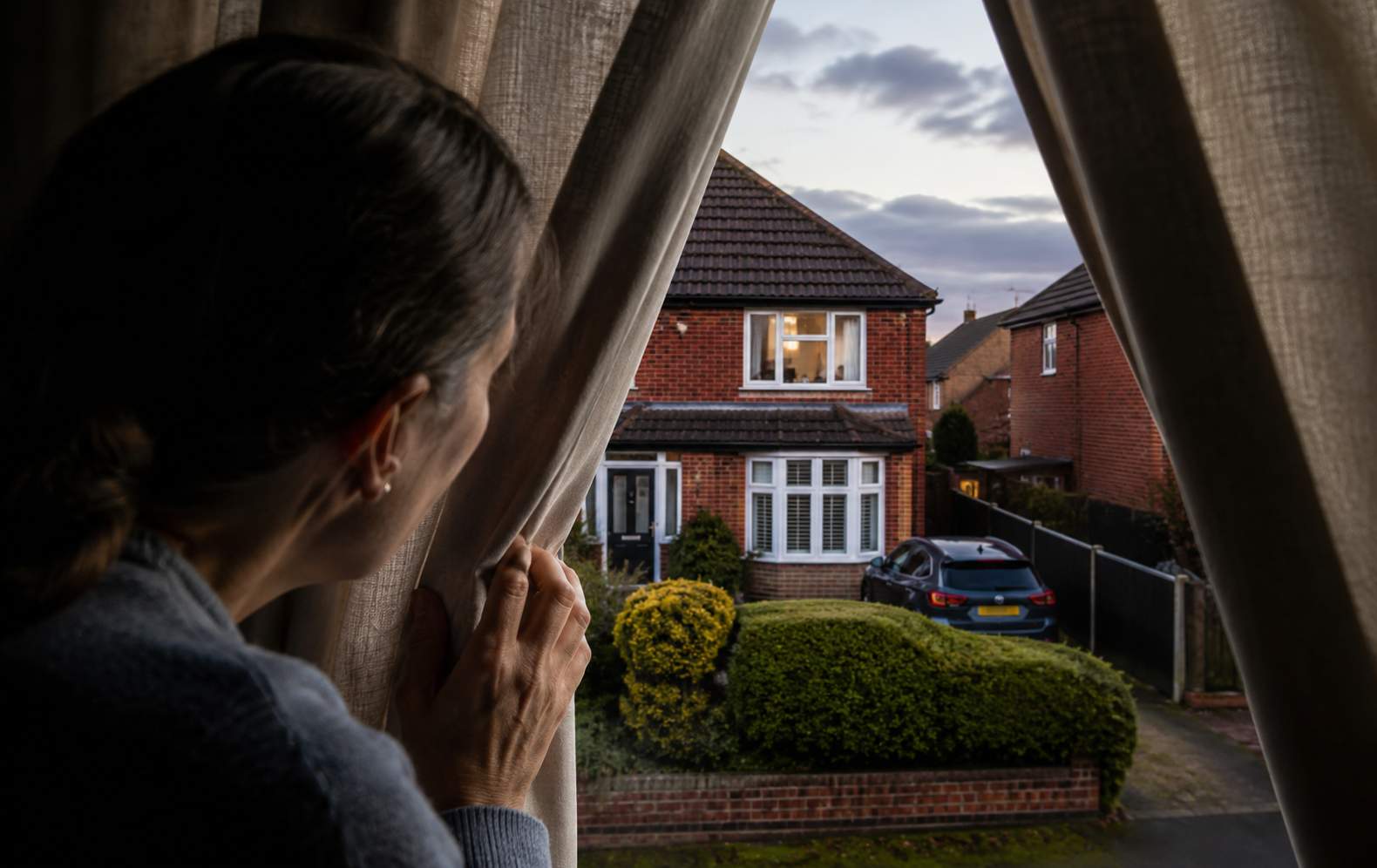
Most people have encountered them at some point. The neighbour who always seems to know who has visitors, whose bins were left out too long, or why a delivery van stopped outside a particular house. While curiosity has long been part of British neighbourhood culture, many residents are increasingly asking an important question: where is the line between being community-minded and simply being nosy?
In Newcastle, where strong local communities remain a defining feature of many neighbourhoods, the balance between looking out for one another and respecting privacy is becoming a topic of growing discussion. While keeping an eye on the street can help deter crime and improve safety, excessive interference in other people's lives can quickly create tension and resentment.
Why People Become Nosy Neighbours.
Human beings are naturally curious. In close-knit communities, residents often feel invested in what happens around them. This can be especially true in areas where families have lived for generations and neighbours know one another well.
However, social media and community groups have amplified this tendency. A delivery van, an unfamiliar visitor or a late-night gathering can quickly become the subject of online speculation. What might once have been a passing observation can now turn into a lengthy neighbourhood discussion.
Some experts suggest that people often justify their curiosity by claiming they are protecting the area. While that motivation can sometimes be genuine, it can also lead to unnecessary gossip and conflict.
When Paying Attention Is Actually Important.
There are situations where paying attention to what is happening around you is not only reasonable but responsible.
Government guidance encourages residents to report genuine antisocial behaviour, harassment, criminal activity or persistent noise problems through appropriate channels. In many cases, issues can be resolved informally through conversation before escalating further.
The challenge is recognising the difference between behaviour that affects the wider community and personal choices that are nobody else's business.
For example, suspicious activity around vacant properties, repeated acts of vandalism or serious disturbances may warrant attention. On the other hand, neighbours receiving visitors, renovating their homes or living differently from others rarely requires intervention.
Newcastle's Community Spirit Faces Modern Challenges.
Newcastle has traditionally been known for its strong sense of community. Residents often take pride in knowing their neighbours and helping one another when needed.
Yet modern urban living presents new challenges. Data relating to Newcastle shows that antisocial behaviour continues to be a significant concern across parts of the city. Recent figures indicate that antisocial behaviour accounts for nearly 19% of reported crimes within the wider Newcastle postcode area.
Meanwhile, Newcastle City Council housing data reported 153.3 antisocial behaviour cases per 1,000 housing units between April 2023 and March 2024.
These figures help explain why some residents may feel more vigilant than previous generations. However, vigilance should not be confused with intrusion.
The Cost of Neighbourhood Disputes.
One of the biggest risks of excessive neighbourly interference is the creation of long-running disputes.
Property experts report that boundary disagreements continue to rise across England and Wales, with millions of people having experienced disputes with neighbours. One survey estimated that around 6.2 million Britons have been involved in boundary disagreements.
Arguments over fences, parking spaces, noise, pets and garden boundaries frequently escalate far beyond their original cause. In some cases, legal costs can exceed the value of the issue being disputed. Legal experts have repeatedly warned that neighbour conflicts often become emotional rather than practical.
For Newcastle residents, maintaining good relationships can often save considerable stress, time and money.
The Difference Between Community Care and Gossip.
A healthy community depends on residents caring about one another. Checking on elderly neighbours during cold weather, reporting genuine safety concerns or helping someone in need strengthens neighbourhood bonds.
Problems arise when observations turn into assumptions.
Many neighbourhood disagreements begin not with actual wrongdoing but with rumours. A misunderstood situation can spread quickly, damaging reputations and creating unnecessary hostility.
Housing experts note that many neighbour disputes stem from simple disagreements rather than criminal or antisocial behaviour. Early communication and mediation often resolve problems before they become major conflicts.
In practice, this means asking a simple question before making a judgement. Is this affecting anyone else's quality of life, or is it simply something different from what I would do myself?
What Newcastle Residents Can Learn.
Newcastle's reputation has always been built on friendliness, resilience and community spirit. Those qualities remain valuable in a modern city where people increasingly seek a sense of belonging.
Being aware of what happens around you can help protect neighbourhoods and support local safety initiatives. Yet there is equal value in respecting personal boundaries and allowing others to live their lives without constant scrutiny.
The most successful communities are not those where everyone knows everyone's business. They are the places where residents trust one another, communicate openly and step in only when genuine concerns arise.
As Newcastle continues to grow and evolve, finding that balance may be one of the most important challenges facing modern neighbourhood life.
Respect, Awareness and Common Sense.
The debate over nosy neighbours is unlikely to disappear anytime soon. Curiosity is part of human nature, and strong communities naturally encourage awareness of what is happening nearby.
The key lies in knowing when observation becomes interference. Paying attention can help keep communities safe. Respecting privacy can help keep communities happy. The strongest neighbourhoods are built on both principles working together.
Have you experienced helpful community vigilance or unwanted interference from people living nearby?
Lifestyle News
When Should You Get Involved in Your Neighbour's Business?
Advertisement




Comments (0)
You must be logged in to post comments.
Don't have an account? Register here
No comments yet. Be the first to share your thoughts!