
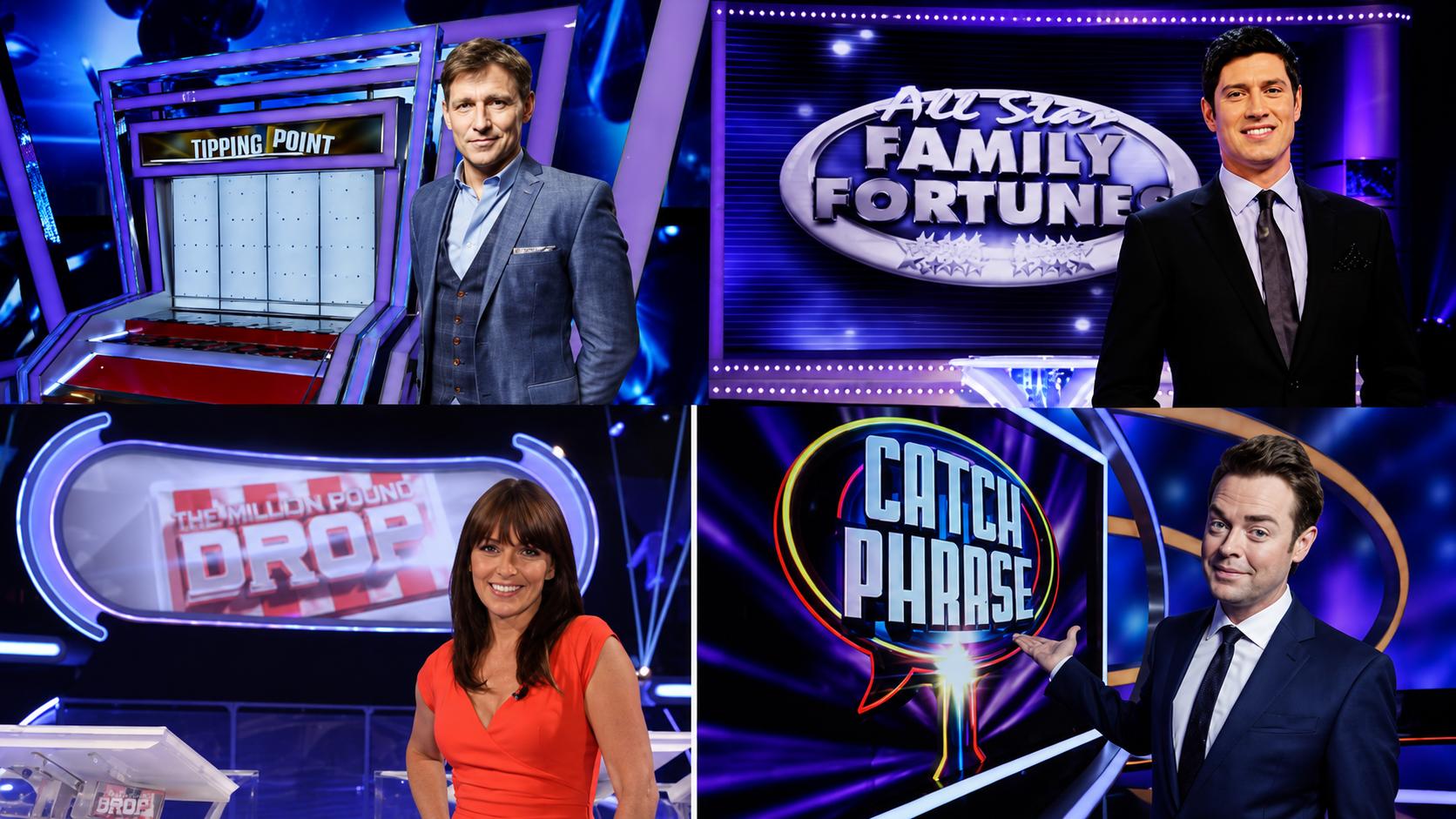
Amid an entertainment landscape increasingly defined by expensive prestige dramas and sprawling franchise universes, the humble quiz show has quietly continued doing what it has always done: drawing consistent, loyal audiences at a fraction of the production cost of almost any other genre. Long-running formats have become genuine institutions, some airing for decades with barely altered formats.
Much of the format's appeal lies in its universal accessibility. Unlike serialised drama, which demands ongoing commitment to follow a storyline, a quiz show can be enjoyed as a complete, self-contained experience in a single sitting, with viewers able to play along from their sofa regardless of whether they have watched a single previous episode.
That playalong element is central to the format's staying power. Quiz shows tap into a basic competitive instinct, inviting audiences to test their own knowledge against contestants in real time, creating a genuinely interactive viewing experience decades before interactive television became a serious industry buzzword in its own right.
Local quiz culture across the North East reflects this same appetite on a smaller scale, with pub quizzes and community trivia nights remaining consistently popular social fixtures, often drawing regular weekly crowds in a way few other organised entertainment events manage to sustain. For many regulars, a weekly quiz night functions as a genuine social ritual rather than simply a game.
Streaming platforms have begun experimenting with the format too, introducing app-based interactive quiz shows that allow viewers to compete directly for real prizes from their own device, rather than merely playing along mentally at home. While these newer formats remain a relatively small part of the broader landscape, they demonstrate the genre's continued capacity to evolve alongside changing technology.
Contestant selection has become an increasingly refined process for major shows, with producers looking for personalities capable of carrying a broadcast on charm and character alone, rather than simply testing raw knowledge. A memorable contestant can generate almost as much conversation as the questions themselves, occasionally launching relatively unknown participants into a level of minor celebrity that outlasts their original appearance by years.
International formats have travelled particularly well within the genre, with several British quiz shows successfully licensed and adapted for broadcast in dozens of other countries, each version tailored slightly to local tastes while retaining the same fundamental structure that made the original successful. This global appetite for proven quiz formats has turned format licensing into a significant, if often overlooked, export business for British broadcasters.
Charity specials built around well-known quiz formats have also proven consistently popular, pairing celebrities with the same familiar format audiences already enjoy for an added novelty factor, while raising significant sums for good causes in the process, a formula broadcasters return to reliably year after year.
Cheap to produce, easy to understand and endlessly repeatable, the quiz show occupies a uniquely stable position within broadcasting. Trends in drama and comedy may rise and fall considerably, but the simple pleasure of testing your knowledge against a stranger on television looks set to remain a permanent fixture of the schedule for years to come. It remains, in its own understated way, one of the great levellers of British broadcasting.
Have your say.
What's your favourite quiz show to watch at home?
Entertainment News
Why Quiz Shows Never Go Out of Fashion
From long-running institutions to fresh streaming formats, the humble quiz show remains one of television's most dependable and cost-effective staples.
Advertisement



Comments (0)
You must be logged in to post comments.
Don't have an account? Register here
No comments yet. Be the first to share your thoughts!