
Child poverty is one of the most serious challenges facing the North East, casting a long shadow over the lives and prospects of tens of thousands of children across the region. Behind the statistics are real children whose health, education and opportunities are being shaped by the hardship in which they grow up.
A Region Hit Hard.
The North East has among the highest rates of child poverty of any region in the country. The most recent figures show that around 30 per cent of children in the region are growing up in poverty after housing costs are taken into account, higher than the national average.
That means roughly one in three children across the North East is affected, a sobering reflection of the hardship facing many families. In some parts of the region, the rates are higher still, with certain areas seeing well over a third of children living in poverty.
The Local Picture.
Within the region, child poverty is concentrated in particular areas. Some local authority areas and communities, especially in parts of Teesside and the older industrial areas, record some of the highest rates, with more than a third of children affected.
These local concentrations reflect the deep-seated economic challenges that some communities continue to face, the legacy of industrial decline combined with the pressures of recent years. The geography of child poverty maps closely onto the geography of disadvantage.
Poverty in Working Families.
One of the most striking and important facts about child poverty is that the majority of children in poverty live in working families. Across the region, around two-thirds of children in poverty have at least one parent in work, which challenges the assumption that work is always a route out of poverty.
Low pay, insecure work and the rising cost of living mean that, for many families, a job does not guarantee an adequate income. This is a crucial point, because it shows that tackling child poverty requires action on wages and the cost of living, not simply on employment.
The Squeeze on Families.
The pressures on families have been intensified by the cost-of-living crisis. Rising prices for food, energy and other essentials have hit low-income families hardest, and families in the North East have been more likely to face fuel poverty and to live in poor-quality or damp homes.
For families already struggling, these added pressures can make it impossible to afford the basics, from adequate heating to proper food and clothing. The everyday reality of child poverty is one of difficult choices and constant financial strain.
The Toll on Children.
Growing up in poverty has profound and lasting effects on children. Poverty can damage children's health, both in childhood and over the longer term, and it can disrupt their education and limit their opportunities, with effects that can last a lifetime.
Children in poverty may go without adequate food, a warm home or the things their peers take for granted, and the stress and exclusion that poverty brings can weigh heavily. The harm done by child poverty is not only material but emotional, affecting children's wellbeing and their sense of belonging.
Why It Matters for the Region.
Child poverty is not only a tragedy for the children and families affected but a profound challenge for the region as a whole. Children whose health, education and opportunities are damaged by poverty are less able to fulfil their potential, with long-term consequences for the region's economy and society.
Tackling child poverty is therefore an investment in the region's future as well as a matter of basic fairness and compassion. A region in which a third of children grow up in poverty is one whose potential is being held back.
The Case for Action.
Addressing child poverty requires action on several fronts: on the wages and security of work, on the cost of living, on housing, and on the support available to families through the benefits system. Particular policies have been identified as significant drivers of child poverty, and changing them could make a real difference.
There is a strong case that reducing child poverty would bring benefits across health, education and the economy that far outweigh the costs. For a region with so many children affected, the case for action is compelling.
A Future Worth Protecting.
Child poverty in the North East, affecting around one in three children, is a serious and pressing challenge, with consequences that reach into the health, education and future prospects of a generation. That so many children, including in working families, are growing up in hardship is a reflection of deep economic challenges and the pressures of recent years.
Tackling it is both a moral imperative and an investment in the region's future, requiring action on wages, the cost of living, housing and support for families. Every child deserves the chance to grow up free from poverty, and securing that chance is among the most important things the region and the country can do.
More Than Statistics.
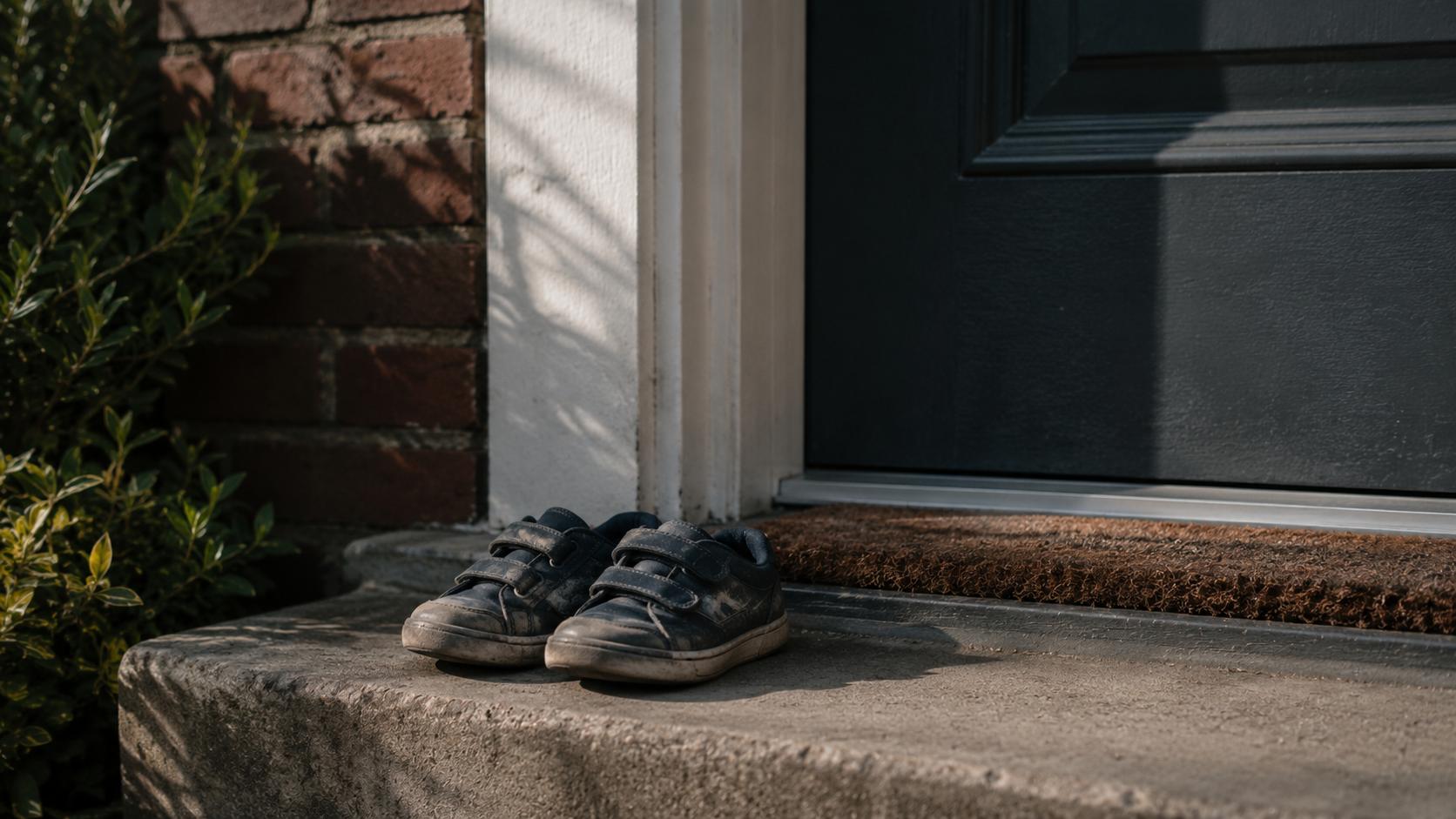
It is all too easy, when confronted with figures showing that a third of children in the region are growing up in poverty, to treat the issue as an abstract problem of statistics and policy, but behind every number is a child whose daily life is shaped by hardship in ways that no child should have to experience. Child poverty is not an abstraction but a lived reality of going without: of cold homes where heating is rationed, of meals missed or made meagre, of clothes and shoes that do not fit or keep out the weather, of the things that other children take for granted being out of reach.
It is the reality of a child who cannot join in with friends because there is no money for the trip or the activity, who feels the anxiety that hangs over a household struggling to make ends meet, and who carries the sense of exclusion and shame that poverty so often brings. These experiences leave their mark, not only on a child's immediate wellbeing but on their health, their education and their sense of themselves and their place in the world, with effects that can last a lifetime.
Recognising child poverty as the lived reality it is, rather than a set of figures, is essential to understanding why tackling it matters so much and why it cannot be allowed to continue. It is also a reminder that the children affected are not responsible for their circumstances and deserve the same chances as any other child, to be warm, well-fed, included and able to flourish.
A region in which so many children grow up in hardship is failing those children and squandering their potential, and addressing that failure is both a moral duty and an investment in the future. Behind the statistics on child poverty are real children with real hopes and real potential, and ensuring that they have the chance to grow up free from hardship is among the most important responsibilities a society can have.
Every child deserves a childhood free from poverty, and meeting that simple standard should be a goal that unites everyone.
Get involved.
Around one in three children in the North East is growing up in poverty, most of them in working families.
What do you think would do most to reduce child poverty in our region?
Local News
Growing Up Poor: Child Poverty in the North East
Around one in three children in the North East grows up in poverty, most in working families. We look at the scale, causes and consequences of child poverty.
Advertisement



Comments (0)
You must be logged in to post comments.
Don't have an account? Register here
No comments yet. Be the first to share your thoughts!