
While heroin once dominated discussions around addiction in Newcastle and the wider North East, a changing drug landscape is creating fresh concerns for police, health officials and local communities.
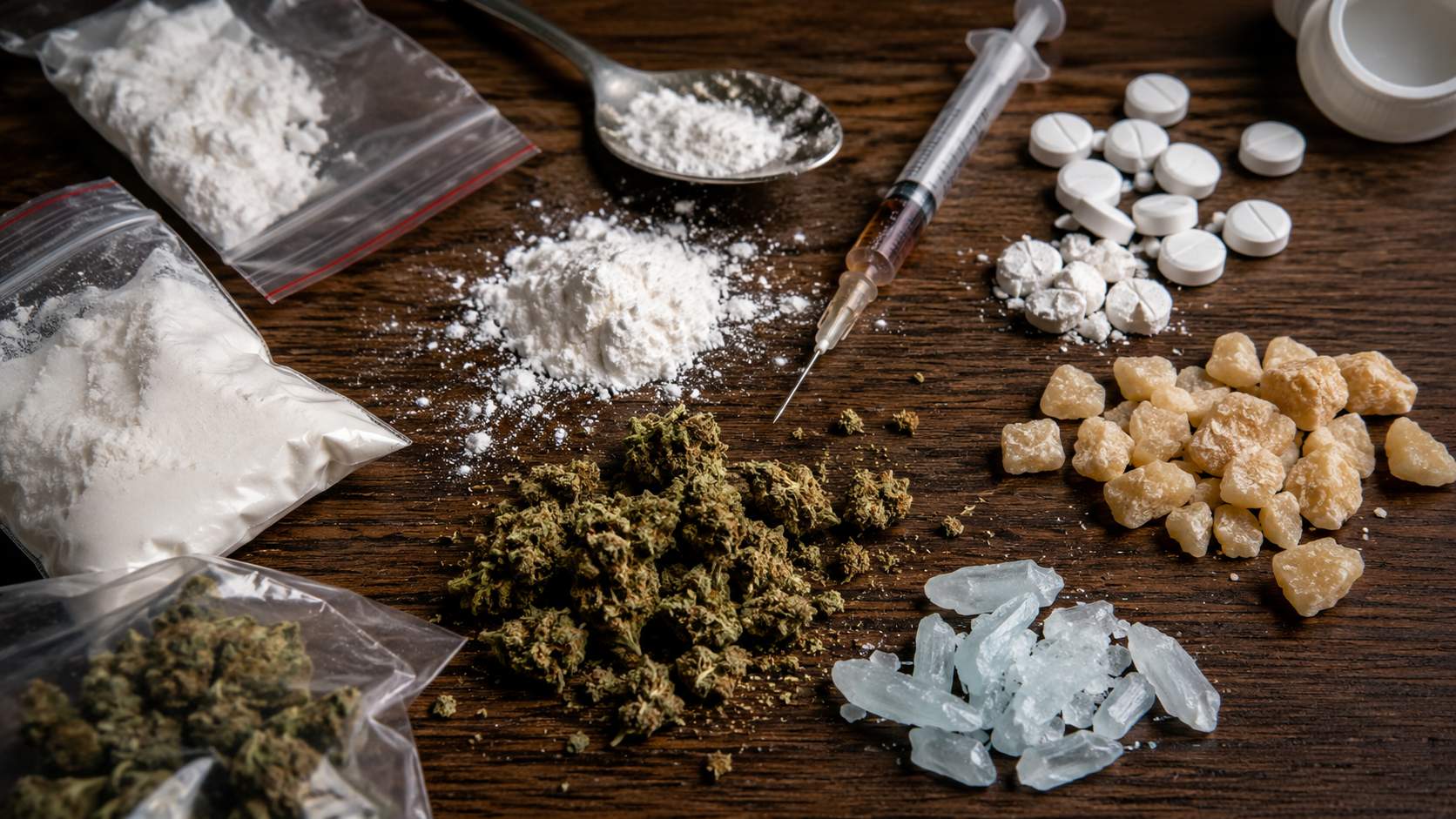
Recent data and enforcement activity suggest drug-related harm remains a significant challenge across the region, with cocaine and crack cocaine increasingly driving crime, addiction and organised criminal activity. Despite long-term efforts to tackle substance misuse, experts warn that the North East continues to face some of the most serious drug-related health and social issues in England.
Cocaine use continues to rise.
One of the biggest shifts in recent years has been the growth in cocaine use. Once largely associated with nightlife and occasional recreational use, cocaine is now being detected across a much wider range of age groups and social backgrounds.
Law enforcement agencies across the North East have repeatedly highlighted cocaine trafficking as a major focus of organised crime investigations. Several large scale operations have resulted in the seizure of significant quantities of cocaine destined for the region, while lengthy prison sentences have been handed down to members of criminal networks involved in supply chains stretching across the UK.
The increasing availability of cocaine has raised concerns among health professionals, who warn that greater supply often leads to higher rates of dependency, violence and associated criminal behaviour.
Crack cocaine remains a major threat.
Alongside the rise in powder cocaine, crack cocaine continues to be one of the most damaging substances affecting communities throughout Newcastle and surrounding areas.
Crack is frequently linked to repeat offending, exploitation of vulnerable individuals and serious violence. Treatment providers report that many users consume crack alongside heroin, creating complex addiction issues that can be difficult to treat.
Police intelligence and local assessments continue to identify crack cocaine as a key driver of drug-related crime, particularly within deprived communities where long-term addiction remains entrenched.
The combination of crack cocaine and organised criminal activity has also contributed to concerns around county lines style operations, where vulnerable adults and young people can be exploited by drug gangs.
Heroin still causes significant harm.
Although the number of new heroin users has generally fallen compared with previous decades, heroin remains one of the most harmful drugs affecting the North East.
Many individuals receiving treatment today are long-term users who have struggled with addiction for years. This ageing population of heroin users continues to place considerable demand on healthcare services, treatment providers and support organisations.
Heroin is also closely linked to drug-related deaths, which remain at historically high levels across England. Public health officials have repeatedly warned that opioid use continues to pose a major risk despite changing trends in other areas of the drug market.
The reality is that while fewer people may be starting heroin use than in previous generations, the long-term consequences continue to affect families and communities across Newcastle.
Cannabis remains the most widely used illegal drug.
Cannabis remains the most commonly used illegal drug in both Newcastle and the wider UK.
Although many users never come into contact with treatment services, police continue to uncover cannabis cultivation operations and organised production networks throughout the region.
There are also growing concerns around the potency of modern cannabis products. Mental health professionals have warned that stronger strains may increase risks for some users, particularly younger people and those with existing mental health vulnerabilities.
While cannabis often attracts less attention than heroin or cocaine, authorities continue to view illegal cultivation and supply as a significant criminal issue.
Drug crime remains a concern across Newcastle.
Drug offences continue to account for thousands of recorded incidents each year across the wider Newcastle area.
Although some recent figures suggest a reduction in recorded drug offences, experts caution that enforcement statistics do not necessarily reflect actual levels of drug use. Changes in policing priorities, reporting practices and enforcement strategies can all influence recorded crime data.
What remains clear is that organised crime groups continue to view the North East as a lucrative market.
Northumbria Police have secured multiple convictions involving cocaine trafficking, heroin supply and cannabis production in recent years. Several investigations have resulted in lengthy prison sentences, with some criminal networks receiving combined sentences running into decades.
These operations demonstrate the scale of the illegal drugs market that continues to operate across the region.
The wider impact on communities.
The consequences of drug misuse extend far beyond those directly using substances.
Drug addiction is often linked to increased pressure on health services, anti-social behaviour, family breakdown, homelessness and financial hardship. Communities affected by long-term substance misuse frequently experience wider social challenges that can take years to address.
Treatment and recovery services across Newcastle continue to support thousands of individuals seeking help for addiction, while charities and community organisations play a vital role in helping people rebuild their lives.
However, the growing presence of cocaine and crack cocaine presents new challenges that many frontline services are now having to confront.
Why the issue is unlikely to disappear soon.
Despite significant enforcement efforts and ongoing investment in treatment services, drug misuse remains deeply embedded within parts of the North East.
The continued availability of cocaine, persistent heroin addiction and the influence of organised crime groups suggest that drug-related harm will remain a major issue for years to come.
For many residents, the challenge is no longer whether drug problems exist in Newcastle, but how communities, authorities and health services can work together to reduce the damage they cause.
As criminal networks adapt and drug markets evolve, tackling addiction and preventing future harm is likely to remain one of the region's most important public health and policing priorities.
Share your thoughts.
How can the North East better tackle its growing drug problem?
Local News
Crack and Cocaine Continue to Grip the North East
Advertisement





Comments (0)
You must be logged in to post comments.
Don't have an account? Register here
No comments yet. Be the first to share your thoughts!