
Residents across Newcastle are being encouraged to dispose of used vapes responsibly as concerns continue to grow over littering, environmental damage and fire risks linked to discarded devices.
While vaping remains common across the UK, many people are still unaware that vape devices should never be placed in standard household rubbish bins. Most vapes contain lithium-ion batteries, which can become dangerous if damaged during waste collection or recycling processes.
As more discarded vape devices appear in streets, parks and public spaces, residents are increasingly raising concerns about both the appearance of local areas and the potential safety risks associated with improper disposal.
Discarded Vapes Are Becoming A Common Sight.
Across Newcastle, used vape devices are becoming a familiar part of everyday litter.
Brightly coloured vape casings can often be seen near bus stops, outside shops, on pavements and in green spaces. Unlike ordinary litter, however, vapes contain electronic components, plastic materials and lithium batteries that require specialist recycling.
Research carried out by Material Focus found that more than 6.3 million vapes and pods are still being thrown away every week across the UK despite the ban on disposable vapes. The organisation said the figure remains a major environmental concern because valuable materials are being lost while discarded batteries continue to create safety risks.
Many residents say the increase in vape litter is becoming harder to ignore, particularly in busy public areas where discarded devices are often left on the ground rather than recycled properly.
Why Used Vapes Can Become A Fire Hazard.
One of the biggest concerns surrounding vape disposal is the lithium-ion battery hidden inside every device.
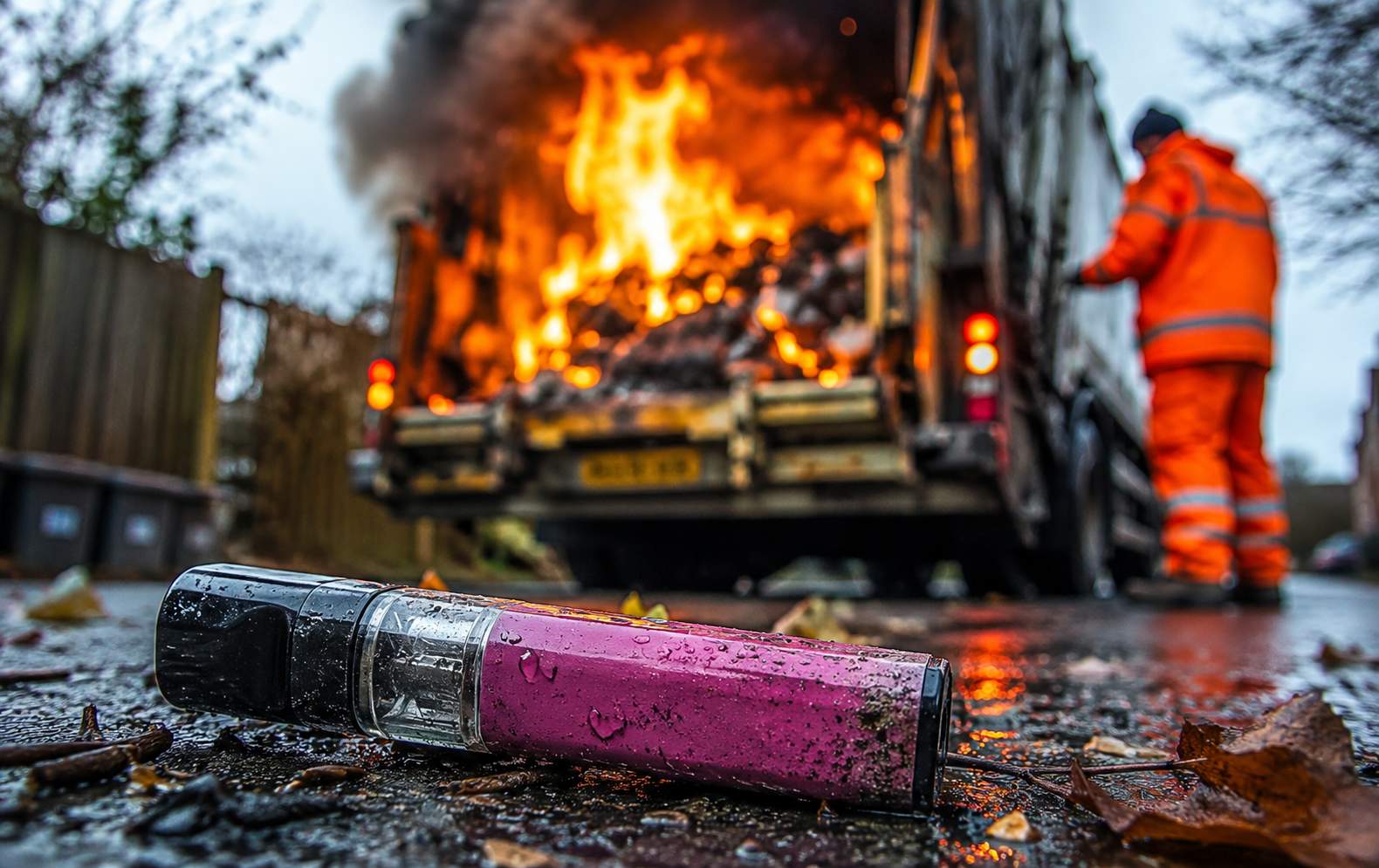
When these batteries are crushed, punctured or damaged, they can overheat and ignite. This can happen when discarded vapes are thrown into household bins and later compressed inside waste collection vehicles or recycling machinery.
Many residents may not realise that a small vape can create a serious fire risk once it enters the waste stream.
Material Focus has repeatedly warned that incorrectly discarded vape batteries are contributing to fires in bin lorries and recycling centres across the UK. The organisation says lithium-ion batteries can spark dangerous fires when they become damaged during waste handling.
Fire safety organisations have also raised concerns about the growing number of incidents linked to battery-powered devices.
Fires Linked To Vape Batteries Continue To Rise.
The issue is not simply theoretical.
Data reported by International Fire and Safety Journal found that 1,056 vape fire incidents were recorded across 39 UK fire services over a four-year period. The figures showed incidents increasing from 89 in 2020 to 399 in 2024.
Separate reporting from Zurich UK found that fire and rescue services attended 241 vape-related fires in a single year, representing a 119 percent increase compared with 2022. The same report found that only around one in three vape users regularly recycled disposable devices through designated recycling schemes.
For waste workers, the dangers can be immediate. Batteries damaged during waste collection can ignite without warning, creating risks for refuse crews and recycling staff.
Residents are often surprised to learn that a discarded vape can contribute to fires serious enough to require emergency responses.
The Environmental Impact Of Vape Waste.
Beyond fire risks, discarded vapes are creating a growing environmental challenge.
Many devices contain valuable materials including lithium, copper and plastic that can be recovered through specialist recycling systems. When vapes are thrown into general waste, those resources are lost.
Material Focus estimates that millions of vape devices continue to be discarded incorrectly every week despite increased awareness around recycling. The organisation has warned that the volume of waste remains significant even after recent changes to vaping regulations.
Environmental groups have also highlighted concerns about plastic pollution caused by discarded vape casings, particularly when devices are left in public spaces or natural environments.
For residents who take pride in keeping Newcastle clean, the growing presence of vape litter has become an increasingly visible issue.
How Residents Can Dispose Of Vapes Properly.
Residents are being reminded that vape devices should never be placed in household rubbish bins or standard kerbside recycling collections.
Instead, used vapes should be taken to dedicated recycling points where batteries and electronic components can be processed safely. Many supermarkets, electrical retailers and vape shops now offer take-back schemes for used devices.
Government guidance also advises consumers to recycle vapes through designated electrical recycling services rather than disposing of them with general waste.
Taking a few extra minutes to recycle a vape correctly can help reduce litter, prevent fires and ensure valuable materials are recovered instead of ending up in landfill.
A Small Change That Could Improve Safety.
With millions of vapes still being discarded incorrectly every week across the UK, residents have an important role to play in reducing both environmental damage and fire risks.
Many people already recycle batteries and electronic devices responsibly, but awareness around vape disposal remains lower than it should be.
As Newcastle continues to deal with littering and waste challenges, proper vape recycling is one simple step that can make a meaningful difference. Keeping used vapes out of household bins could help prevent fires, reduce waste and improve the appearance of public spaces across the city.
Have You Noticed More Vape Litter Around Newcastle?
Community News
Dangerous Vape Disposal Habits Raise Alarm Across Newcastle
Advertisement




Comments (0)
You must be logged in to post comments.
Don't have an account? Register here
No comments yet. Be the first to share your thoughts!