
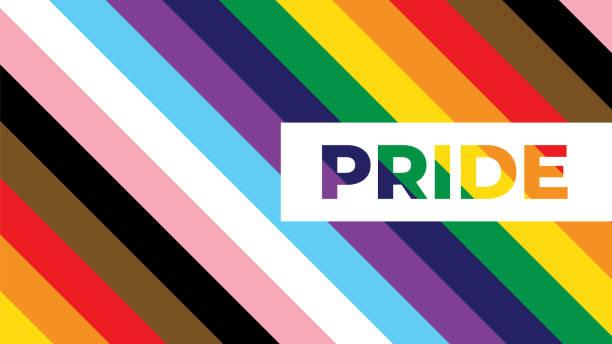
Every June, rainbow flags appear across towns and cities throughout the UK as Pride Month begins. For many people, Pride is a celebration of identity, acceptance and community. For others, it remains a protest against discrimination and inequality that still exists today.
In Newcastle, Pride has become one of the city's most recognisable annual events. Thousands of people take part in marches, performances and community activities each year, while businesses, charities and public organisations show support for LGBTQ+ communities. Yet Pride remains about much more than colourful parades and entertainment.
More than five decades after the first Pride marches, many campaigners argue the movement is still needed because LGBTQ+ people continue to face abuse, discrimination and political debate over their rights.
Why Pride Month Exists.
Pride Month takes place every June to commemorate the Stonewall uprising, which began on June 28, 1969, in New York City. The demonstrations followed a police raid on the Stonewall Inn, a popular venue for LGBTQ+ people at a time when discrimination was widespread. The events became a turning point for LGBTQ+ activism across the world.
The first UK Pride march was held in London in July 1972, inspired by the activism that followed Stonewall. What began as a political demonstration involving a few hundred people has since grown into a nationwide movement involving millions.
Supporters say Pride remains necessary because equality is still a work in progress. According to Stonewall, there were more than 18,000 hate crimes recorded in England and Wales motivated by sexual orientation between March 2024 and March 2025, alongside more than 3,000 trans-related hate crimes.
Research also suggests that many LGBTQ+ people continue to experience hostility. Stonewall reports that 64 percent of LGBTQ+ people have experienced anti-LGBTQ+ violence or abuse.
For many participants, Pride is therefore both a celebration and a reminder that progress should never be taken for granted.
Newcastle's Pride Journey.
Newcastle's modern Pride celebrations began in 2008 when the first Pride on Tyne event was held. What started as a relatively modest gathering has transformed into one of the North East's largest annual festivals.
Attendance has grown dramatically over the years. Organisers reported that the festival attracted tens of thousands of visitors, helping generate millions of pounds for the local economy. By the mid-2010s, Newcastle Pride was welcoming more than 65,000 visitors and thousands of parade participants.
The event has evolved alongside the city itself. While earlier festivals were concentrated in parks and designated event spaces, recent celebrations have spread across the city centre, creating what organisers described as a city-wide takeover.
For Newcastle's LGBTQ+ community, Pride has become one of the most visible opportunities to celebrate identity while connecting with support groups, charities and local organisations.
How Pride Has Changed Over The Years.
The biggest change in Pride has been its transformation from protest into a mainstream public event.
Early Pride marches focused heavily on political demands and basic legal rights. Homosexuality had only recently been partially decriminalised in England and Wales, and many LGBTQ+ people faced significant barriers in employment, housing and everyday life.
Today, Pride events often feature major music acts, celebrity appearances and corporate sponsorships. Some supporters view this as evidence of social progress and growing acceptance.
Others argue that commercialisation risks moving Pride away from its activist roots. Campaigners frequently call for greater focus on issues such as trans rights, mental health support, homelessness among LGBTQ+ young people and hate crime prevention.
In Newcastle and across the UK, organisers increasingly attempt to balance celebration with activism. Many events now include educational workshops, community discussions and remembrance vigils alongside entertainment programmes.
The Controversies Surrounding Modern Pride.
Like many large public events, Pride celebrations are not without controversy.
One ongoing debate centres on the role of public institutions. Newcastle Pride attracted national attention in 2025 following a High Court ruling concerning the participation of uniformed Northumbria Police officers in previous Pride marches. The case focused on questions surrounding police impartiality and whether officers should appear in uniform during events connected to political and social causes.
The ruling sparked discussion among Pride supporters, police representatives and campaign groups about community engagement and public neutrality.
Another debate involves sponsorship. Some critics argue that large companies use Pride branding during June without demonstrating meaningful support for LGBTQ+ communities throughout the rest of the year. Others maintain that corporate involvement reflects wider social acceptance and provides essential funding for events.
These discussions highlight how Pride continues to evolve while reflecting broader cultural and political conversations.
Anti-Gay Demonstrations And Protests.
While Pride events are generally peaceful, demonstrations by anti-LGBTQ+ groups have occasionally taken place in cities across the UK.
Organisers say such protests demonstrate why Pride remains relevant. Although public attitudes towards LGBTQ+ people have improved significantly over recent decades, opposition to LGBTQ+ rights still exists in some sections of society.
In Newcastle, Pride organisers and community groups have consistently emphasised visibility and inclusion as central themes. Community organisations across the North East frequently describe Pride as an opportunity to challenge prejudice while providing safe spaces for LGBTQ+ individuals and allies.
Many attendees argue that the presence of protests serves as a reminder of the challenges that earlier generations faced and why public demonstrations for equality continue today.
Why Pride Still Matters In 2026.
For younger generations, it can be easy to assume that equality has largely been achieved. Same-sex marriage is legal, representation in media has improved and LGBTQ+ people are more visible in public life than ever before.
However, statistics relating to hate crime, discrimination and online abuse suggest significant challenges remain. Campaigners point to ongoing concerns around mental health, bullying, healthcare access and public hostility faced by some LGBTQ+ communities.
In Newcastle, Pride continues to serve as both a celebration and a statement. It reflects a city that has become increasingly diverse and inclusive while acknowledging that many people still face barriers because of their identity.
Whether viewed as a festival, a protest or a community gathering, Pride Month remains rooted in visibility. More than fifty years after Stonewall, supporters argue that visibility continues to be one of the most powerful tools for social change.
As Newcastle prepares for another summer of Pride celebrations, the message remains clear. Pride is not simply about looking back at progress already made. It is also about deciding what kind of future communities want to build together.
Will you be attending this years Pride celebrations in Newcastle?
Community News
Newcastle Pride Explained - History, Controversies And Community Impact
Advertisement



Comments (0)
You must be logged in to post comments.
Don't have an account? Register here
No comments yet. Be the first to share your thoughts!