
For many pet owners across Newcastle and the North East, few things are more distressing than discovering a beloved dog or cat has gone missing. Whether a pet slips out of a garden gate, escapes during a walk, or becomes frightened by fireworks or storms, the panic that follows is something most owners hope they never experience.
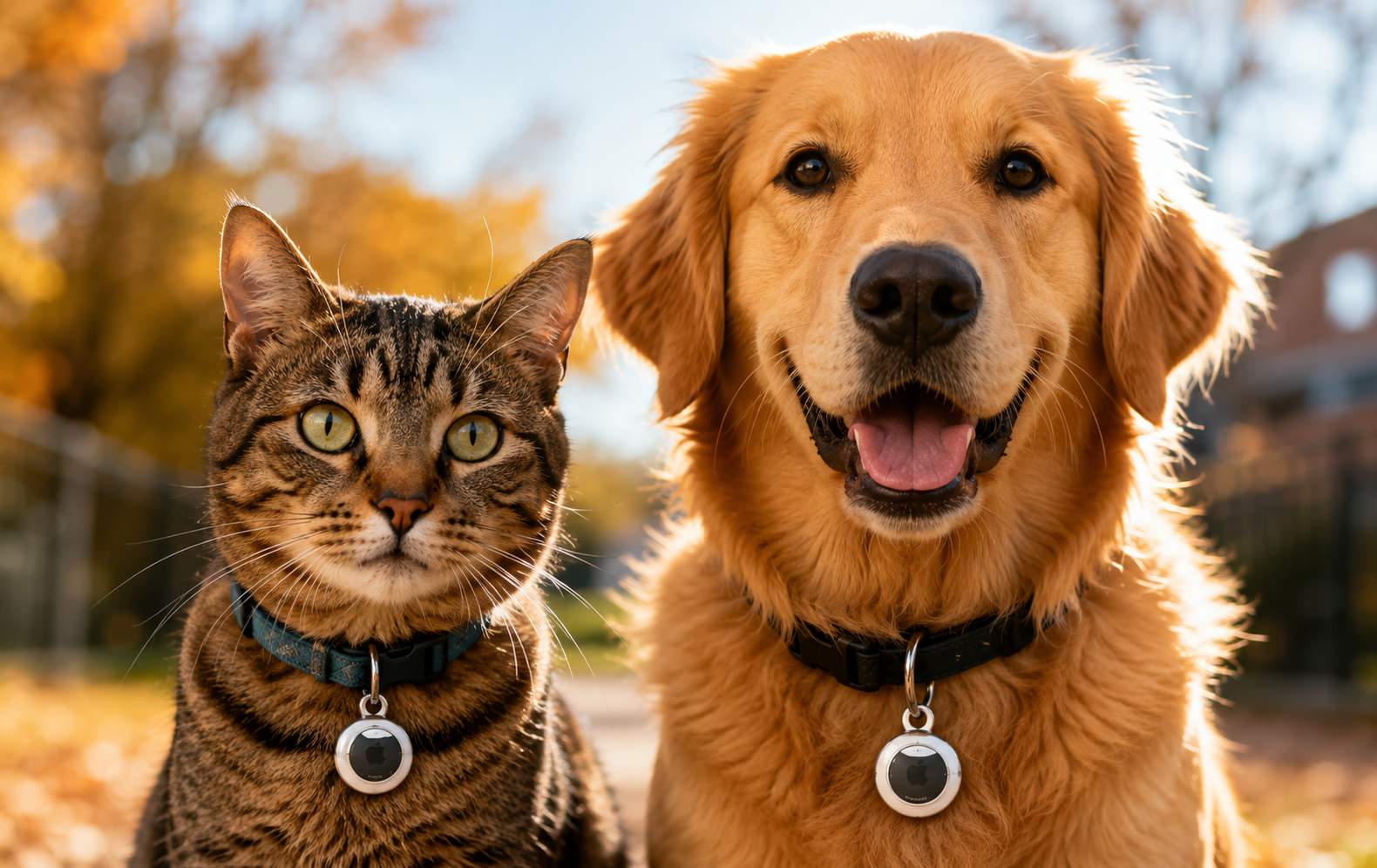
While traditional identification methods such as collars and tags remain important, modern technology is giving pet owners more ways than ever to protect their animals. Experts increasingly recommend a combination of microchipping and tracking devices such as Apple AirTags or GPS pet trackers to maximise the chances of a safe reunion.
Why Microchipping Still Matters.
Microchipping remains the most effective and widely recognised way to identify a lost pet. A microchip is a tiny device, roughly the size of a grain of rice, implanted beneath the animal's skin. The chip contains a unique identification number linked to the owner's contact details on a secure database.
In England, all dogs must legally be microchipped, and since June 2024, pet cats must also be microchipped by law. Owners who fail to comply can face fines of up to £500.
The benefits are clear. Government figures show that microchipped dogs are more than twice as likely to be reunited with their owners compared with animals that are not chipped.
Recent data from Petlog, one of the UK's largest pet databases, revealed that more than 25,000 pets were reported missing between January 2023 and June 2024. During that period, approximately 74% of missing dogs and 62% of missing cats were successfully reunited with their families.
For Newcastle pet owners, those figures highlight how a simple microchip can make the difference between a temporary scare and a permanent loss.
The Limitation of Microchips.
Despite their effectiveness, microchips are not tracking devices.
Many pet owners mistakenly believe they can use a microchip to locate their pet in real time. In reality, the chip only works when a lost animal is found and scanned by a vet, rescue centre, local authority, or animal welfare organisation.
This means that if a dog or cat disappears, the owner cannot actively track its movements through the microchip itself.
Another challenge is outdated contact information. Research has shown that inaccurate owner details remain one of the biggest obstacles to successful reunifications. Experts regularly remind owners to update their records whenever they move house or change phone numbers.
Why AirTags and GPS Trackers Are Growing in Popularity.
This is where devices such as Apple AirTags and dedicated GPS pet trackers are becoming increasingly popular.
Attached securely to a collar, these devices allow owners to monitor a pet's location far more quickly than waiting for someone to scan a microchip.
AirTags work by connecting to Apple's Find My network, using nearby Apple devices to anonymously relay location information. In urban areas such as Newcastle city centre, Gateshead, Jesmond, Gosforth and surrounding communities, this network coverage can be particularly useful due to the high number of smartphones in daily use.
Dedicated GPS pet trackers go a step further by providing live location updates, activity monitoring and geofencing alerts that notify owners if a pet leaves a designated safe area.
While no tracker guarantees recovery, many owners report finding wandering pets within minutes rather than hours.
Why Newcastle Pet Owners Face Unique Challenges.
The North East offers fantastic environments for pets, but it also presents risks.
Popular walking routes along the Tyne, coastal paths near Tynemouth and Whitley Bay, woodland areas around Northumberland, and busy urban roads can all create situations where pets become disoriented or frightened.
Summer months often bring an increase in missing pet reports as more animals spend time outdoors. Pet welfare organisations have repeatedly warned that warmer weather can lead to a rise in pets escaping gardens, becoming lost during travel, or wandering further than usual.
At the same time, pet theft remains a concern across the UK. Recent reports suggest more than 1,600 dogs were reported stolen in 2025, despite new legislation designed to tackle pet abduction.
For owners, having both a microchip and a tracking device creates multiple layers of protection.
The Best Approach Is Using Both.
Veterinary professionals and animal welfare groups generally agree that microchips and trackers should not be viewed as alternatives.
Instead, they serve different purposes.
A microchip provides permanent identification that cannot easily be removed. An AirTag or GPS tracker provides location information that can help owners act quickly when a pet first goes missing.
Using both significantly improves the chances of recovery.
With the UK home to an estimated 11.1 million dogs and 10.5 million cats, the importance of responsible pet ownership continues to grow.
For Newcastle residents, investing in both technologies may offer valuable peace of mind, especially for adventurous dogs, outdoor cats, and pets that frequently accompany their owners on trips throughout the North East.
Protecting Pets Before They Go Missing.
No pet owner expects their animal to disappear, but preparation can make all the difference.
Ensuring microchip details are current, maintaining a secure collar with identification tags, and considering an AirTag or GPS tracker can dramatically improve recovery chances if the unexpected happens.
For many Newcastle pet owners, combining traditional identification with modern tracking technology is becoming one of the smartest ways to keep four-legged family members safe and bring them home faster if they ever wander too far.
Would you consider adding a tracker to your pet's collar if it meant you could get them home sooner?
Community News
The Simple Tech Helping Newcastle Pet Owners Find Missing Pets Faster
Advertisement




Comments (0)
You must be logged in to post comments.
Don't have an account? Register here
No comments yet. Be the first to share your thoughts!