
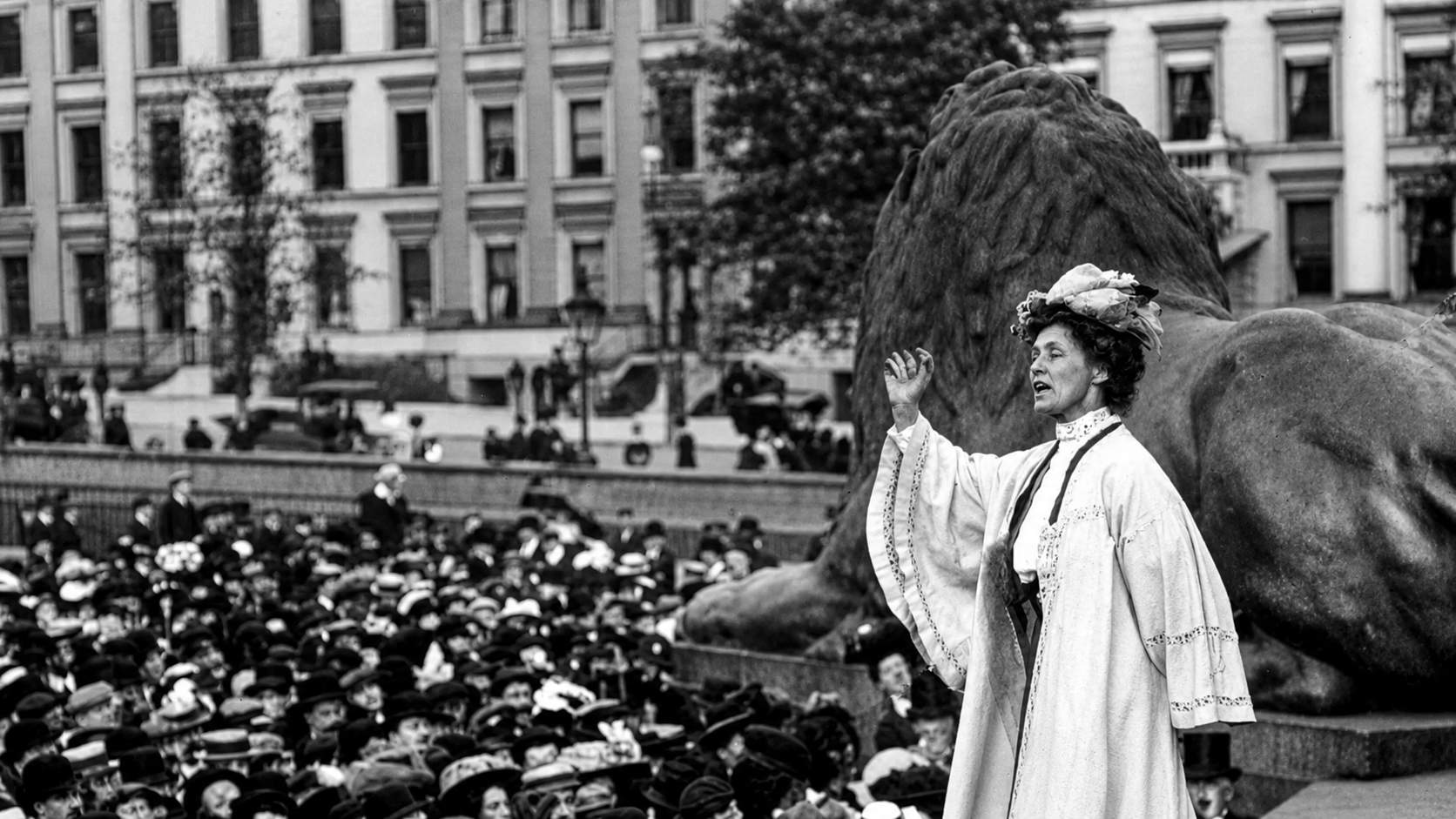
Every year on July 14, Emmeline Pankhurst Day offers an opportunity to reflect on one of Britain's most influential campaigners and the movement that changed democracy forever. While Pankhurst is closely associated with Manchester and London, her campaign also left a lasting mark on Newcastle and the wider North East, where women played a vital role in the fight for political equality.
More than a century after women first won the right to vote, the story remains highly relevant. It is not simply about history. It is about how determined individuals helped reshape the country, opening the door for future generations of women in politics, business and public life.
Why Emmeline Pankhurst changed Britain.
Born on July 14, 1858, Emmeline Pankhurst became the driving force behind the Women's Social and Political Union, founded in 1903 with the famous slogan, "Deeds Not Words." Frustrated by years of slow political progress, the organisation adopted increasingly direct methods to force Parliament to confront the issue of women's voting rights.
Pankhurst was imprisoned several times and undertook hunger strikes while campaigning. Although some of the movement's tactics remain controversial, historians broadly agree that the suffrage campaign fundamentally changed public debate and accelerated political reform.
The Representation of the People Act 1918 granted voting rights to many women aged over 30 who met property qualifications, before equal voting rights with men were finally secured in 1928.
Newcastle's place in the suffrage movement.
The North East has its own proud suffrage history. Newcastle regularly hosted meetings, marches and public demonstrations during the campaign, with local activists helping spread support across the region.
One particularly significant reminder survives today. Historic England has recognised Newcastle's former Post Office on St Nicholas Street as one of the country's important suffragette protest sites, highlighting the city's direct connection to the national movement.
Campaigners across Tyneside organised public events, distributed literature and challenged political leaders long before women secured the vote. Their work ensured the North East became an important regional voice in one of Britain's defining civil rights campaigns.
The legacy still shapes modern Britain.
The impact of Emmeline Pankhurst's campaign can still be measured today.
Following the 2024 General Election, women hold around 40 percent of seats in the House of Commons, the highest proportion in UK history, demonstrating how political representation has changed dramatically since women were first excluded from voting.
The transformation began with relatively limited voting rights in 1918. Historic England notes that the legislation increased the electorate from 7.7 million to 21.4 million voters, with women making up almost half of eligible voters after the reforms.
The First World War also accelerated changing attitudes. Between 1914 and 1918, an estimated two million women entered jobs traditionally carried out by men, increasing women's share of total employment from 24 percent to 37 percent, helping demonstrate their vital contribution to society.
Why Emmeline Pankhurst Day still matters.
Emmeline Pankhurst Day is about more than celebrating one individual. It recognises thousands of women, including many from Newcastle and the North East, whose determination helped transform British democracy.
Many of the debates around equality, representation and participation in public life continue today, making the anniversary an opportunity to consider how far Britain has come while recognising that progress has often required determined campaigners willing to challenge the status quo.
For Newcastle, the day also highlights an often overlooked chapter of local history. The city's contribution to the suffrage movement deserves wider recognition, reminding residents that national change is frequently built upon the efforts of local communities.
Share your thoughts in the comments below.
Have you visited any North East locations linked to the fight for women's rights?
Political News
Emmeline Pankhurst's North East Legacy
Advertisement


Comments (0)
You must be logged in to post comments.
Don't have an account? Register here
No comments yet. Be the first to share your thoughts!