
Newcastle has long been recognised as one of the North East's most welcoming and multicultural cities, and its Islamic community has become an increasingly important part of that story. From long-established families to international students and professionals choosing to build their lives in the region, Muslims continue to make significant contributions across education, healthcare, business, charity and public life.
Recent Census figures show the city's religious landscape has changed considerably over the past decade. In 2021, around 9 percent of Newcastle residents identified as Muslim, compared with 6.3 percent in 2011, making Islam the city's second largest religion after Christianity. The increase reflects both population growth and Newcastle's growing appeal as a university city with an increasingly international workforce.
A Community Rooted In Local Life.
Across Newcastle, Islamic organisations, mosques and community groups play an active role well beyond religious worship. Many regularly organise food collections, fundraising events, educational programmes and community open days designed to bring people from different backgrounds together.
Areas including Elswick, Arthur's Hill and Fenham have become home to diverse communities representing countries including Pakistan, Bangladesh, Somalia, Syria, Iraq, Turkey and many others. These neighbourhoods have developed into vibrant cultural hubs where independent businesses, cafés, supermarkets and restaurants reflect the city's growing diversity.
Faith leaders have also worked alongside local charities, schools and Newcastle City Council on projects supporting vulnerable residents, promoting wellbeing and encouraging community cohesion throughout the year.
Newcastle By The Numbers.
Several statistics help paint a broader picture of how Newcastle has evolved over recent years.
Population: Around 300,100 people lived in Newcastle in 2021, representing a 7.1 percent increase since 2011, the fastest population growth among North East local authorities.
Muslim population: Approximately 9 percent of residents identified as Muslim in the 2021 Census, compared with 6.3 percent ten years earlier.
No religion: Around 40.8 percent of residents reported having no religion, reflecting wider national trends.
Asian ethnic groups: Around 11.4 percent of Newcastle residents identified as Asian, Asian British or Asian Welsh, significantly above the North East average.
University students: Newcastle's two universities attract tens of thousands of students each year, with many arriving from Muslim-majority countries, adding to the city's international character.
Mosques Continue To Support Local Communities.
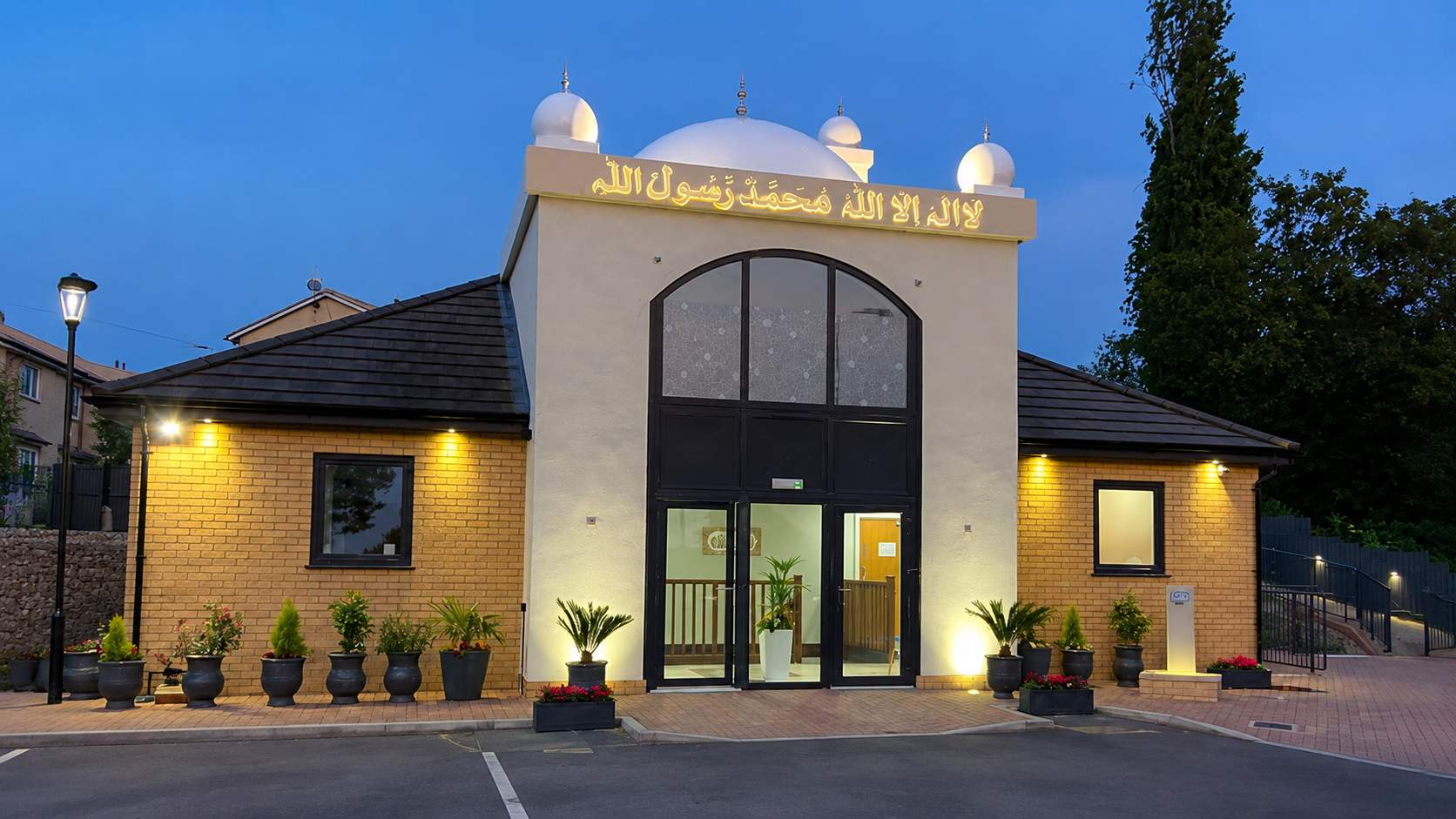
Newcastle is home to several established mosques serving different communities across the city. Alongside daily prayers, many provide language classes, youth activities, marriage guidance, food support initiatives and educational programmes for both Muslims and non-Muslims.
Open mosque events have become increasingly popular, giving residents opportunities to learn about Islamic traditions, ask questions and better understand different cultures within their own neighbourhoods.
These initiatives often attract visitors from across the North East and have become an important part of wider efforts to strengthen relationships between different faith groups.
Business, Education And Enterprise.
The city's Islamic community also contributes strongly to Newcastle's economy. Independent retailers, restaurants, cafés, professional services and technology businesses operated by Muslim entrepreneurs have become familiar features across many parts of the city.
The popularity of Middle Eastern, Turkish, Persian and South Asian cuisine has grown significantly over the past decade, with Newcastle residents embracing a wider variety of food and cultural experiences than ever before.
Meanwhile, Newcastle University and Northumbria University continue to attract students from around the world. International graduates often remain in the region, contributing valuable skills in medicine, engineering, digital technology, scientific research and business.
Celebrating Faith And Community.
Events such as Ramadan and Eid have become increasingly visible within Newcastle's annual calendar. Community iftars, charity fundraising campaigns and family celebrations regularly bring together residents from different backgrounds.
Many local organisations also work with schools to improve understanding of different religions and cultures, helping young people learn about diversity while encouraging respect and inclusion.
Community leaders frequently emphasise that these events provide opportunities to build friendships and strengthen relationships across Newcastle's many different communities.
Looking Ahead.
As Newcastle continues to grow, its Islamic community is expected to remain an important part of the city's future. Population growth, international education, skilled migration and long-established local families are all contributing to a more diverse North East.
While every community faces its own challenges, Newcastle has increasingly demonstrated how different cultures can contribute positively to city life. From charitable work and local businesses to education, healthcare and volunteering, Muslims continue to play a visible role in shaping the city that thousands proudly call home.
Understanding these changing demographics also provides a clearer picture of how Newcastle is evolving into one of the UK's most diverse regional cities while maintaining the strong sense of community that has long defined the North East.
Join the discussion.
What are your experiences of Newcastle's diverse communities?
Community News
Inside Newcastle's Growing Local Muslim Community
Advertisement


Comments (0)
You must be logged in to post comments.
Don't have an account? Register here
No comments yet. Be the first to share your thoughts!