
Newcastle is one of Britain’s most recognisable cities, known for its industrial heritage, vibrant nightlife and proud North East identity. Yet beyond the football chants, riverside bars and busy shopping streets lies a city filled with remarkable architecture and centuries of history.
From medieval castles and grand Victorian streets to internationally recognised bridges and cultural landmarks, Newcastle’s skyline tells the story of how the city evolved from a Roman frontier settlement into one of the UK’s most distinctive urban centres.
Many of Newcastle’s most iconic buildings are more than tourist attractions. They are symbols of resilience, innovation and identity that continue shaping the city today.
Here are 10 of Newcastle’s most iconic buildings and the fascinating history behind them.
Newcastle Castle.
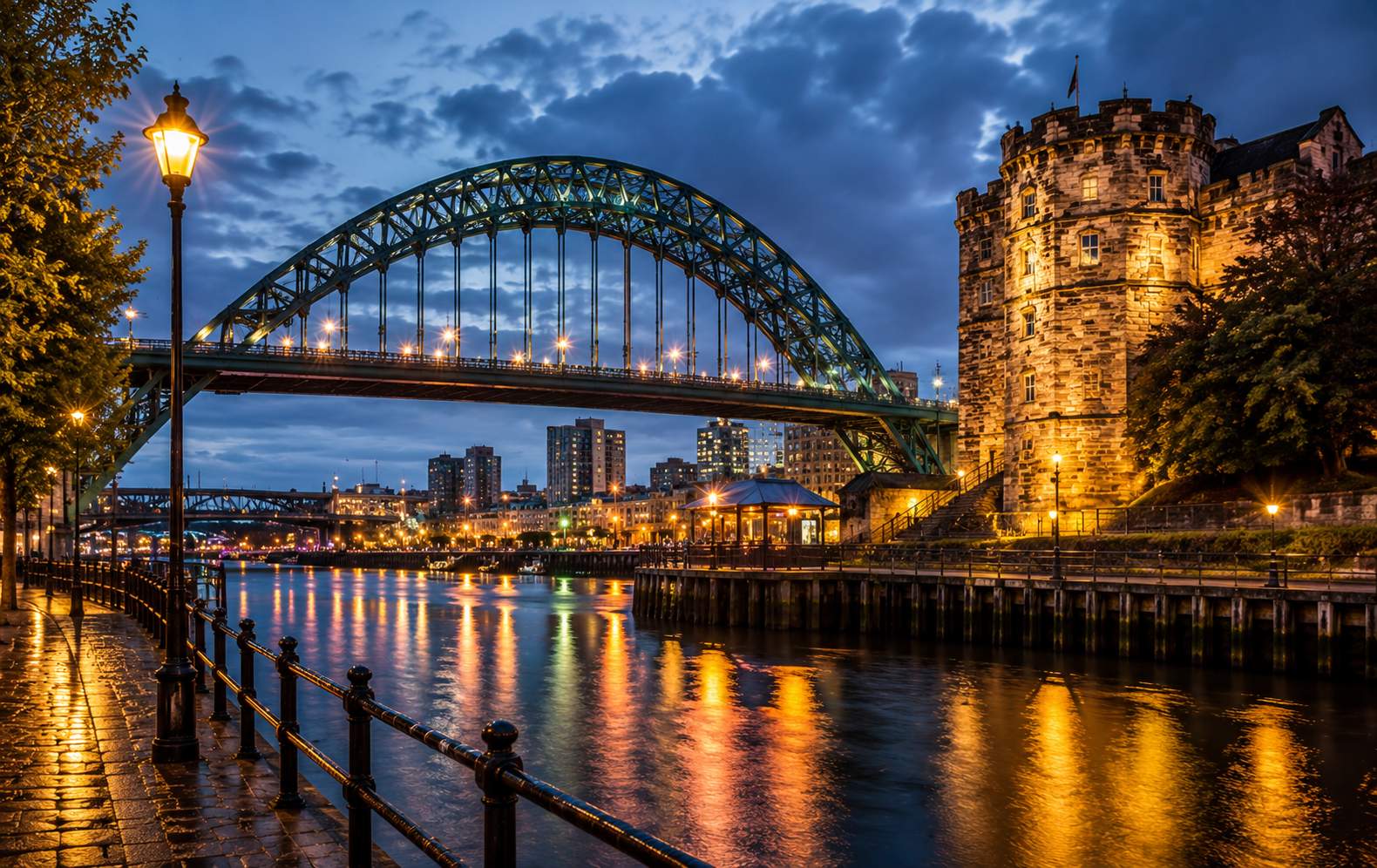
Few buildings define Newcastle’s history more than Newcastle Castle itself. The city even takes its name from the Norman fortress, which was built on the site of an earlier Roman fort overlooking the River Tyne.
Construction of the stone castle began in the late 11th century following the Norman conquest of England. The castle’s imposing keep and Black Gate were designed to protect the strategically important crossing point along the River Tyne.
For centuries, Newcastle Castle played a key role in defending northern England against Scottish invasions. It also became a symbol of Norman authority in the region during a time of political instability and conflict.
Today, visitors can climb the castle’s towers for panoramic views across the city while exploring rooms that reveal Newcastle’s medieval past. Despite modern developments surrounding it, the castle remains one of the clearest reminders of the city’s origins.
The Tyne Bridge.
The Tyne Bridge is arguably Newcastle’s most famous landmark and one of the most photographed structures in the North East.
Officially opened in 1928 by King George V, the bridge connects Newcastle and Gateshead with its enormous steel arch stretching across the River Tyne. Its design later inspired the world-famous Sydney Harbour Bridge in Australia, which was completed several years afterward.
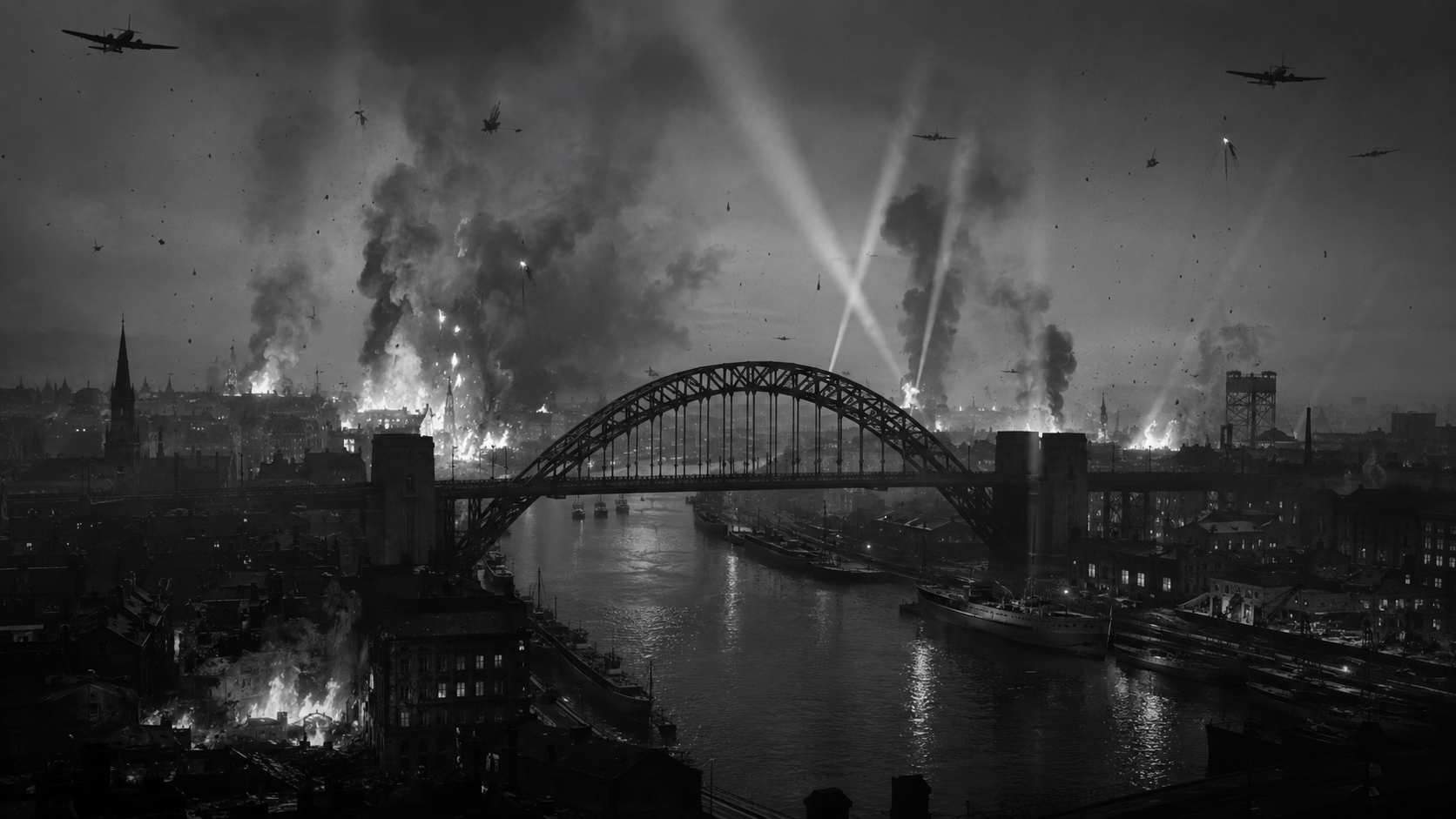
At the time of construction, the Tyne Bridge represented engineering ambition and industrial strength. Thousands of local workers contributed to the project during an era when Newcastle was recognised globally for shipbuilding and heavy industry.
The bridge quickly became a symbol of regional pride and remains central to Newcastle’s identity today. It has featured in films, television broadcasts and countless sporting celebrations, particularly during Newcastle United cup parades and major city events.
Even nearly a century after opening, the Tyne Bridge continues standing as one of Britain’s most iconic engineering achievements.
Grey’s Monument.
Standing proudly at the heart of Newcastle city centre, Grey’s Monument has become one of the city’s most recognisable meeting points.
Completed in 1838, the monument honours Charles Grey, the second Earl Grey and former British Prime Minister responsible for the Great Reform Act of 1832. The legislation played a major role in modernising Britain’s political system by expanding voting rights.
The towering column rises above Grey Street, widely considered one of Britain’s finest examples of Victorian architecture.
Throughout Newcastle’s history, Grey’s Monument has served not only as a landmark but also as a gathering place for political demonstrations, celebrations and public events. Generations of residents have arranged to "meet at the Monument," making it one of the city’s most culturally significant locations.
St Nicholas’ Cathedral.
St Nicholas’ Cathedral has overlooked Newcastle for centuries and remains one of the city’s most important religious and architectural landmarks.
Dating back to the 14th century, the cathedral is particularly famous for its distinctive lantern tower, which became a guiding point for ships sailing along the River Tyne.
The cathedral survived periods of war, industrial change and urban redevelopment while continuing to serve as a spiritual centre for Newcastle residents.
Inside, visitors can still find medieval stonework, historic stained glass and memorials connected to the city’s maritime and industrial past. The building provides a striking contrast to the modern developments surrounding Newcastle’s commercial centre.
For many locals, the cathedral represents continuity and tradition within an ever-changing city.
The Theatre Royal.
Located on Grey Street, Newcastle Theatre Royal has entertained audiences since 1837 and remains one of the UK’s most respected regional theatres.
Designed by renowned architect John and Benjamin Green, the theatre quickly became a centre for culture and performance in the North East. Over the decades, it has hosted some of the world’s most famous actors, musicians and performers.
The building’s grand classical exterior and luxurious interior reflect the ambition and prosperity Newcastle experienced during the Victorian era.
Despite surviving fires, economic challenges and changing entertainment trends, the Theatre Royal continues thriving today with packed audiences attending plays, musicals, comedy performances and opera productions.
Its enduring popularity highlights Newcastle’s long-standing passion for arts and culture.
The Baltic Centre for Contemporary Art.
While Newcastle is known for its historic architecture, the Baltic Centre for Contemporary Art represents the city’s modern cultural transformation.
Located across the river in Gateshead but closely connected to Newcastle’s cultural identity, the Baltic opened in 2002 inside a converted flour mill on the banks of the Tyne.
The industrial structure originally operated as the Baltic Flour Mill during the mid-20th century before closing in the 1980s. Rather than demolishing the building, developers transformed it into one of the UK’s largest contemporary art galleries.
The conversion became part of wider regeneration efforts that reshaped Newcastle and Gateshead’s riverside into a major cultural destination.
Today, the Baltic attracts international artists and visitors while preserving elements of the building’s industrial character.
Newcastle Civic Centre.
The Newcastle Civic Centre reflects the city’s post-war optimism and modern development.
Completed in 1968, the building became Newcastle City Council’s headquarters and was designed to represent progress, efficiency and confidence during a period of rapid urban expansion.
Its most recognisable feature is the towering clock topped by a statue of Saint George slaying the dragon. The clock remains visible from across large parts of the city centre.
The Civic Centre’s modernist architecture divided opinion when first introduced, particularly compared with Newcastle’s older Victorian streets. However, it has since become an important part of the city skyline and was granted Grade II listed status in recognition of its architectural significance.
For many residents, the building represents Newcastle’s transition into a modern regional capital.
Central Station.
Newcastle Central Station has been a crucial transport hub since opening in 1850.
Designed by architect John Dobson with input from railway pioneer George Stephenson, the station quickly became one of the most important rail connections in northern England.
Its curved roof structure and elegant Victorian design reflected the excitement surrounding Britain’s railway expansion during the Industrial Revolution.
For generations of Newcastle residents, Central Station has served as both a gateway to the city and a symbol of economic connectivity.
Millions of passengers continue passing through the station every year, making it one of the busiest transport centres in the North East.
Despite modern upgrades, much of the station’s original Victorian character remains intact.
The Sage Gateshead.
Although technically located in Gateshead, The Sage has become inseparable from Newcastle’s modern identity.
Opened in 2004 and designed by internationally renowned architect Norman Foster, the curved glass and steel structure sits prominently along the River Tyne.
The building was created as a major music and cultural venue aimed at boosting the region’s international reputation. Its futuristic appearance immediately transformed the riverside skyline and complemented nearby landmarks such as the Millennium Bridge and Baltic Centre.
The Sage hosts concerts ranging from classical orchestras to contemporary artists while also supporting music education programmes across the North East.
Its striking design has helped establish Newcastle and Gateshead as important cultural destinations within the UK.
The Lit and Phil.
The Literary and Philosophical Society Library, commonly known as the Lit and Phil, remains one of Newcastle’s hidden architectural treasures.
Founded in 1793, it is the largest independent library outside London and played a major role in Newcastle’s intellectual and scientific development.
The current building, opened in 1825, became a meeting place for inventors, engineers, writers and thinkers during the Industrial Revolution. It was here that pioneering engineer George Stephenson reportedly demonstrated his miner’s safety lamp.
The library’s grand reading rooms, classical architecture and vast collection of books continue attracting visitors interested in Newcastle’s educational and cultural history.
Unlike many modern libraries, the Lit and Phil preserves a sense of historic atmosphere rarely found elsewhere in the city.
Newcastle’s architecture tells the story of the city.
Newcastle’s most iconic buildings are far more than bricks, steel and stone. Together, they reveal the story of how the city developed through war, industry, politics, culture and regeneration.
From medieval fortresses and Victorian theatres to modern concert halls and riverside galleries, each landmark reflects a different chapter in Newcastle’s identity.
For residents, these buildings are woven into everyday life. For visitors, they help explain why Newcastle continues standing out as one of Britain’s most distinctive and historically rich cities.
As Newcastle continues evolving, preserving these landmarks ensures future generations can remain connected to the city’s remarkable past while shaping its future.
Which Newcastle building or landmark do you think is the city’s most iconic? Share your favourite landmarks, memories and hidden historical gems in the comments below.
Newcastle History
From Castles to Bridges - Newcastle’s Greatest Architectural Icons
Advertisement


Comments (0)
You must be logged in to post comments.
Don't have an account? Register here
No comments yet. Be the first to share your thoughts!