
Rising living costs and increasing vehicle prices are forcing many motorists across the UK to rethink how they pay for their next car.
For years, outright ownership was considered the traditional route for drivers wanting long-term value and complete control over their vehicle. However, changing financial pressures, rapidly advancing vehicle technology and the growing popularity of flexible finance options have transformed the market.
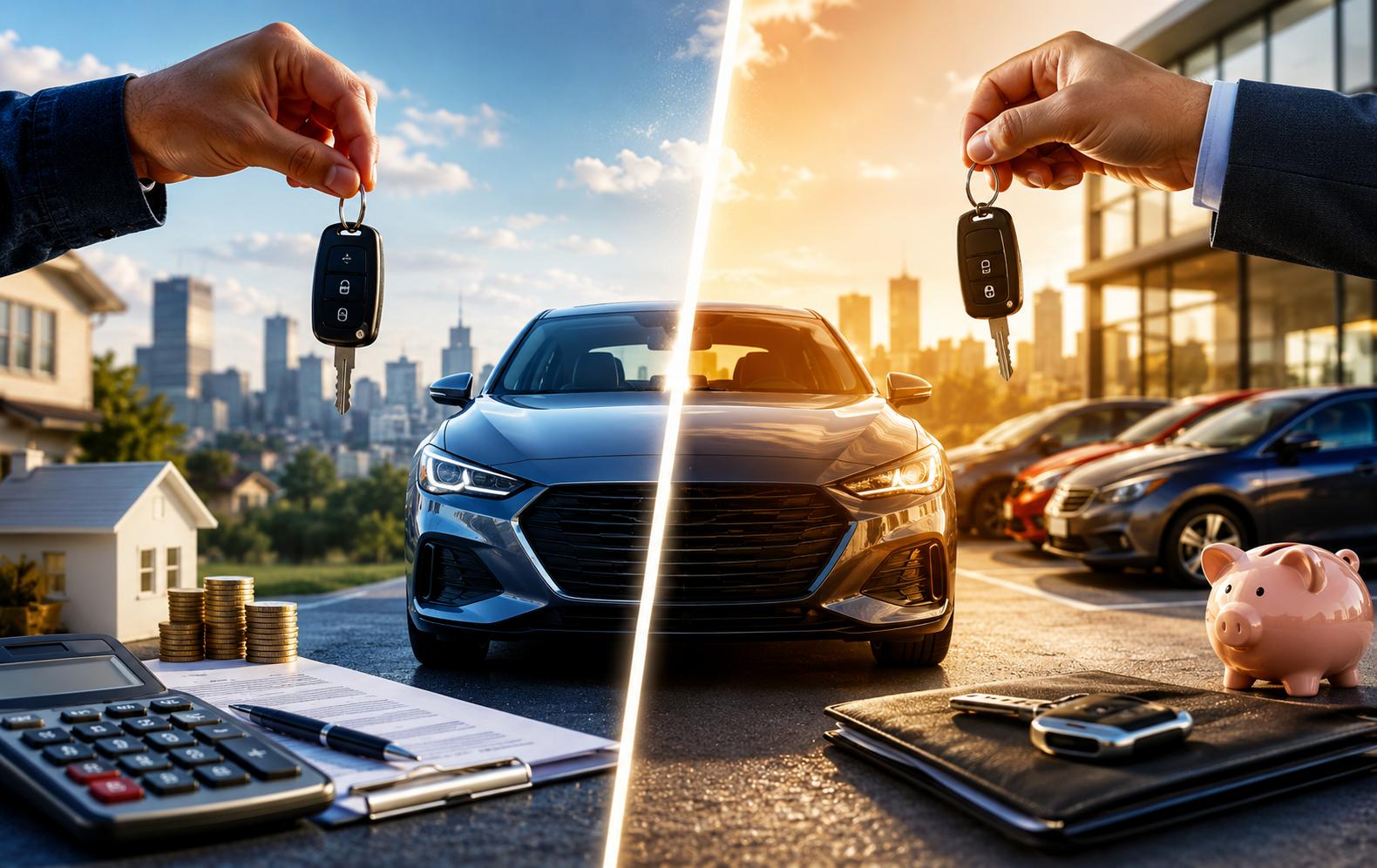
Today, many motorists are weighing up whether hire purchase or leasing offers the better deal.
Both finance methods come with clear advantages depending on a driver’s budget, lifestyle and future plans. While leasing has become increasingly popular among younger professionals and business users, hire purchase remains a strong option for those wanting eventual ownership without paying the full cost upfront.
Industry experts say there is no single answer that works for everyone. Instead, understanding the differences between the two options is becoming more important than ever for UK consumers navigating the modern car market.
What Is Hire Purchase?
Hire purchase, often shortened to HP, is one of the most established forms of car finance in Britain.
Under a hire purchase agreement, motorists typically pay an initial deposit followed by fixed monthly instalments over an agreed period, usually between two and five years. Once all repayments are completed, ownership of the vehicle transfers fully to the customer.
Unlike leasing, there are no mileage restrictions and drivers are free to keep the vehicle for as long as they choose after the agreement ends.
For many motorists, this sense of eventual ownership remains one of the biggest attractions of hire purchase agreements.
Car finance specialists say hire purchase appeals particularly to families and long-term drivers who prefer stability and do not want the uncertainty of changing vehicles every few years.
How Car Leasing Works In The UK.
Leasing works differently because drivers never actually own the vehicle.
Instead, customers effectively rent the car for a fixed term while making monthly payments that cover depreciation and usage over the agreement period.
At the end of the contract, the car is returned to the finance provider unless a new lease agreement is arranged.
Most leasing contracts include mileage limits and condition clauses, meaning additional charges may apply if the vehicle exceeds agreed usage levels or suffers excessive wear.
However, leasing often provides access to newer vehicles with lower monthly payments compared with traditional ownership-based finance.
This has made leasing increasingly attractive for drivers wanting access to the latest technology, improved fuel efficiency and modern safety features without committing to full ownership costs.
Lower Monthly Payments Make Leasing Attractive.
One of the main reasons leasing has surged in popularity across the UK is affordability.
Because drivers only pay for the vehicle’s depreciation rather than its full value, monthly payments are often significantly lower than hire purchase agreements for the same model.
For motorists dealing with rising mortgage payments, energy bills and insurance costs, the lower monthly commitment can make a major difference.
Leasing also allows drivers to access premium vehicles that might otherwise sit outside their budget if purchased outright or financed through hire purchase.
Industry analysts say many drivers are attracted to the idea of driving a newer car every few years while avoiding concerns over long-term maintenance or falling resale values.
In an era where electric vehicle technology is evolving rapidly, leasing can also provide flexibility for motorists uncertain about committing to one specific model long term.
Ownership Still Matters To Many Drivers.
Despite the popularity of leasing, ownership continues to hold strong appeal for a large section of UK motorists.
With hire purchase, every monthly payment moves the customer closer to fully owning the vehicle.
Once the agreement is complete, drivers no longer face monthly finance costs and are free to sell, trade or continue driving the car as they wish.
This can provide significant financial advantages over time, particularly for drivers who keep vehicles for several years after repayments end.
Many motorists also appreciate the freedom that comes with ownership.
There are no mileage penalties, no condition inspections at the end of the contract and no pressure to replace the car every few years.
For drivers covering high annual mileage or using vehicles for family travel and commuting, hire purchase often provides greater flexibility and long-term value.
Depreciation Is A Major Consideration.
Vehicle depreciation remains one of the biggest financial factors affecting both leasing and ownership decisions.
New cars can lose a substantial percentage of their value within the first few years, particularly during the initial 12 months.
Leasing protects drivers from worrying about resale values because the finance provider absorbs much of the depreciation risk.
This can be particularly beneficial during periods of market uncertainty when used car prices fluctuate heavily.
By contrast, drivers using hire purchase carry the risk of depreciation themselves.
If the vehicle loses value faster than expected, owners may eventually receive less than anticipated when selling or trading it in.
However, some experts argue that long-term ownership can offset depreciation concerns because drivers continue benefiting from the vehicle after finance payments end.
Maintenance And Warranty Benefits.
Another key advantage of leasing is access to newer vehicles that usually remain within manufacturer warranty periods.
This often reduces repair costs and lowers the likelihood of unexpected mechanical bills.
Many lease agreements also offer optional maintenance packages covering servicing and routine upkeep, helping drivers manage motoring costs more predictably.
For busy professionals or families seeking convenience, this can provide added peace of mind.
Hire purchase customers may eventually face higher maintenance expenses once warranty periods expire. However, drivers who keep vehicles for many years after repayments finish can still achieve substantial savings overall compared with constantly replacing leased vehicles.
The decision often depends on whether motorists prioritise short-term affordability or long-term ownership value.
Electric Vehicles Are Changing The Market.
The transition toward electric vehicles is also influencing how people finance cars in the UK.
With battery technology evolving quickly and concerns remaining over long-term resale values, many motorists are turning to leasing as a lower-risk way of switching to electric driving.
Leasing allows drivers to experience electric vehicles without committing to long-term ownership during a period of rapid technological change.
Government incentives and lower business tax rates have also boosted electric vehicle leasing among company car users.
However, some industry experts believe hire purchase may become increasingly attractive as electric vehicle reliability improves and second-hand EV markets stabilise.
Drivers planning to keep vehicles for extended periods could ultimately benefit from ownership once purchase prices become more competitive.
Flexibility Versus Long-Term Savings.
The debate between hire purchase and leasing often comes down to flexibility versus long-term financial gain.
Leasing provides predictable costs, access to newer vehicles and lower monthly payments. For drivers who value convenience and enjoy changing cars regularly, it can be an appealing option.
However, repeated leasing agreements may ultimately cost more over time because motorists never build ownership equity in the vehicle.
Hire purchase requires higher monthly repayments in many cases, but it offers the opportunity to own a valuable asset at the end of the agreement.
For drivers planning to keep a car beyond the finance period, this can deliver stronger overall value.
Financial advisers often recommend motorists calculate the total cost over several years rather than focusing solely on monthly payments.
Credit Scores And Approval Requirements.
Both leasing and hire purchase agreements require credit checks, although approval criteria may vary depending on lenders and vehicle values.
Drivers with stronger credit ratings generally receive better finance offers and lower interest rates.
Leasing companies may also impose stricter requirements because the vehicle remains their property throughout the contract period.
Meanwhile, hire purchase agreements can sometimes offer more flexibility for buyers with moderate credit histories.
Experts advise motorists to compare multiple finance providers and carefully review contract terms before signing agreements.
Understanding fees, mileage restrictions, early termination charges and interest rates can prevent costly surprises later.
Which Option Is Best For UK Drivers?
There is no universal answer when choosing between hire purchase and leasing in the UK.
Drivers prioritising lower monthly payments, flexibility and access to newer models may find leasing the more attractive route.
Meanwhile, motorists wanting eventual ownership, unlimited mileage freedom and long-term value often prefer hire purchase agreements.
Financial experts recommend considering driving habits, annual mileage, long-term plans and household budgets before making a decision.
As vehicle prices continue rising and electric cars reshape the market, choosing the right finance option could save motorists thousands of pounds over time.
Ultimately, the best choice depends on whether drivers value flexibility today or ownership tomorrow.
If you were looking to buy a new car, would you choose leasing or hire purchase for it?
Lifestyle
Hire Purchase Vs New Car Leasing UK - Which Saves More Money?
Advertisement





Comments (0)
You must be logged in to post comments.
Don't have an account? Register here
No comments yet. Be the first to share your thoughts!