
Homelessness, in all its forms, is one of the clearest signs of hardship in a society, and it is rising. From people sleeping rough on the streets to families crammed into temporary accommodation, more and more people are without a secure home, placing enormous strain on councils and exacting a heavy human toll.
Rough Sleeping at a Record High.
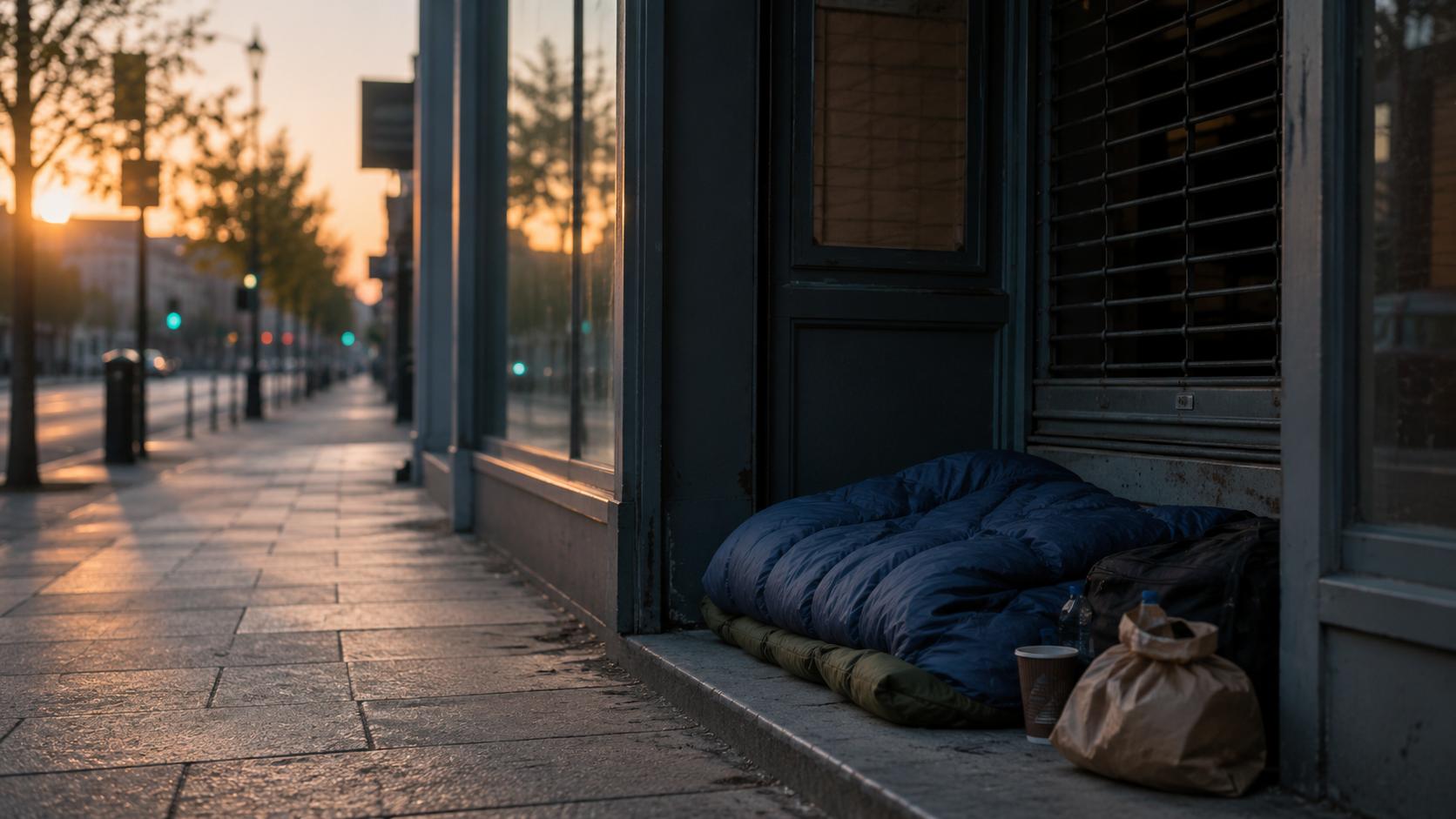
The most visible form of homelessness, rough sleeping, has reached a record high. The official count found that, on a single night, well over four thousand people were sleeping rough across England, exceeding the previous peak and continuing a rise that has now run for several years.
Since records of this kind began, rough sleeping has increased many times over. Each of these figures represents a person without the most basic security of a roof over their head, often facing danger, ill health and isolation.
The Hidden Crisis of Temporary Accommodation.
Beyond the visible rough sleeping lies a larger, more hidden crisis: the soaring number of households living in temporary accommodation. Councils have a legal duty to house some homeless households, and the numbers placed in hostels, bed and breakfasts and other temporary accommodation have risen dramatically.
Many families, including large numbers of children, are living in such accommodation, sometimes for long periods and often in unsuitable conditions. This hidden homelessness, out of sight in temporary housing, affects far more people than rough sleeping alone.
A Crippling Cost to Councils.
The cost of providing temporary accommodation has become a crippling burden on councils. Spending on temporary accommodation has risen to billions of pounds a year, with the cost of emergency accommodation such as hostels and bed and breakfasts rising several times over in recent years.
For some councils, temporary accommodation now consumes a large share of their entire budget, adding to the financial pressures bearing down on local government. The cost of failing to prevent homelessness, paid out in expensive emergency accommodation, is enormous.
The Drivers of Homelessness.
The rise in homelessness is driven above all by the wider housing crisis. A shortage of affordable housing, combined with rising rents and pressures on the support available to people on low incomes, has left more and more households unable to keep or find a secure home.
Councils across the country point to the lack of affordable housing and insufficient support as the key factors fuelling record homelessness. Homelessness, in this sense, is the sharpest edge of the broader failures in housing and the rising cost of living.
The Toll on Children.
Particularly troubling is the impact on children, large numbers of whom are growing up in temporary accommodation. Living in such conditions, often overcrowded, unsuitable and subject to frequent moves, can harm children's health, disrupt their education and damage their wellbeing.
Concerns have been raised about the conditions in which some homeless families are housed and about the long-term harm done to children who grow up without a stable home. The effects of homelessness on children can last well beyond childhood.
The North's Burden.
The North of England, including the North East, has been among the areas reporting the biggest increases in homelessness. The region's housing pressures, including soaring social housing waiting lists and rising rents, feed directly into rising homelessness.
For a region already facing significant disadvantage, the rise in homelessness adds to the hardship and places further strain on stretched councils. The housing crisis and the homelessness crisis are two sides of the same coin.
The Search for Solutions.
There have been commitments to tackle homelessness, including a national plan setting out an ambition to end it and funding aimed at prevention. Preventing homelessness before it occurs, and ensuring an adequate supply of affordable housing, are widely seen as the keys to turning the tide.
Tackling homelessness ultimately depends on addressing its root causes in housing and income, rather than simply managing its consequences through expensive emergency accommodation. Whether the plans in place will deliver the change needed remains to be seen.
A Home for Everyone.
Rising homelessness, in the form of record rough sleeping and a hidden crisis of families in temporary accommodation, is one of the starkest signs of the hardship facing many people, and a heavy burden on councils across the region. Its roots lie in the wider housing crisis and the rising cost of living.
Tackling it requires addressing those root causes, ensuring an adequate supply of affordable homes and proper support for those at risk. Everyone deserves the security of a home, and anyone facing homelessness or housing difficulty can seek help and advice from their local council and from organisations that exist to support them.
Prevention Is Better Than Cure.
One of the clearest lessons to emerge from the homelessness crisis is that preventing homelessness is far better, and far cheaper, than dealing with its consequences once it has occurred. The enormous sums that councils are forced to spend on temporary accommodation, housing homeless households in expensive and often unsuitable emergency accommodation, represent in large part the cost of failing to prevent homelessness in the first place.
Money spent on costly emergency accommodation is money that cannot be spent on the affordable housing and preventive support that would stop people becoming homeless, creating a damaging cycle in which the cost of crisis crowds out the investment that would prevent it. Breaking this cycle requires a shift towards prevention: ensuring an adequate supply of genuinely affordable housing, providing support to people at risk of losing their homes before they reach crisis, and addressing the underlying drivers of homelessness in housing costs and inadequate incomes.
Preventing a household from becoming homeless is not only better for the people involved, sparing them the trauma and harm that homelessness causes, but far less costly than the expensive emergency response that homelessness demands. This is why the emphasis on prevention, and on building the affordable housing that is ultimately the answer to homelessness, is so important, and why simply managing the consequences of homelessness through temporary accommodation is both inadequate and unsustainable.
The human case for prevention is overwhelming, sparing people the suffering that homelessness brings, and the financial case is compelling too, saving the vast sums currently spent on emergency accommodation. Tackling homelessness effectively means getting ahead of it, intervening early and addressing its root causes, rather than waiting until people are already homeless and then paying dearly to house them in unsuitable conditions.
For the people at risk of homelessness, and for the councils struggling under its costs, a shift towards prevention offers the best hope of turning the tide, and of building a future in which everyone has the security of a place to call home.
Over to you.
Rough sleeping has hit a record high and councils are spending billions on temporary accommodation as homelessness rises.
What do you think would do most to tackle homelessness in our region?
Local News
No Way Home: Rising Homelessness and the Pressure on Councils
Rough sleeping has hit a record high and councils spend billions on temporary accommodation as homelessness rises. We look at the crisis and its root causes.
Advertisement



Comments (0)
You must be logged in to post comments.
Don't have an account? Register here
No comments yet. Be the first to share your thoughts!