
For many households across Newcastle and the wider North East, the weekly supermarket shop feels noticeably more expensive than it did just a few years ago. Yet the rising cost of groceries is not always as obvious as a higher price tag. Increasingly, shoppers are encountering a phenomenon known as shrinkflation, where products become smaller while prices remain the same or even increase.
From chocolate bars and crisps to coffee, butter and household essentials, shrinkflation has become one of the most frustrating examples of the UK's ongoing cost of living pressures. While manufacturers argue that rising production costs leave them with few alternatives, consumer groups say many shoppers are being left in the dark about just how much less they are receiving for their money.
What Is Shrinkflation?
Shrinkflation occurs when manufacturers reduce the size, weight or quantity of a product without making an equivalent reduction in price. Instead of paying more for the same item, consumers often end up paying the same amount for less.
The practice has become increasingly common across UK supermarkets in recent years. According to consumer research by Which?, more than three quarters of UK shoppers say they have noticed shrinkflation affecting products they regularly buy. Around 77% reported spotting smaller product sizes without a corresponding reduction in price.
For many shoppers, the changes can be difficult to spot. Packaging often remains largely unchanged, making it easy to overlook reductions in weight or quantity.
Why Newcastle Shoppers Are Feeling the Impact.
The North East has long faced economic challenges, with average household incomes generally lower than many areas in southern England. As a result, rising food costs can have a disproportionate impact on local families.
Across Newcastle, Gateshead, Sunderland and County Durham, residents have already been dealing with higher energy bills, mortgage costs and rent increases. Adding shrinkflation to the mix means many households are effectively paying more while receiving less value from their weekly shop.
Research from KPMG found that 52% of UK consumers had cut non-essential spending during 2024, while four in ten shoppers reported buying more supermarket own-brand products in an effort to save money.
For families balancing tight budgets, even seemingly small reductions in product sizes can add up significantly over the course of a year.
The Products Most Commonly Affected.
Some product categories appear to be more vulnerable to shrinkflation than others.
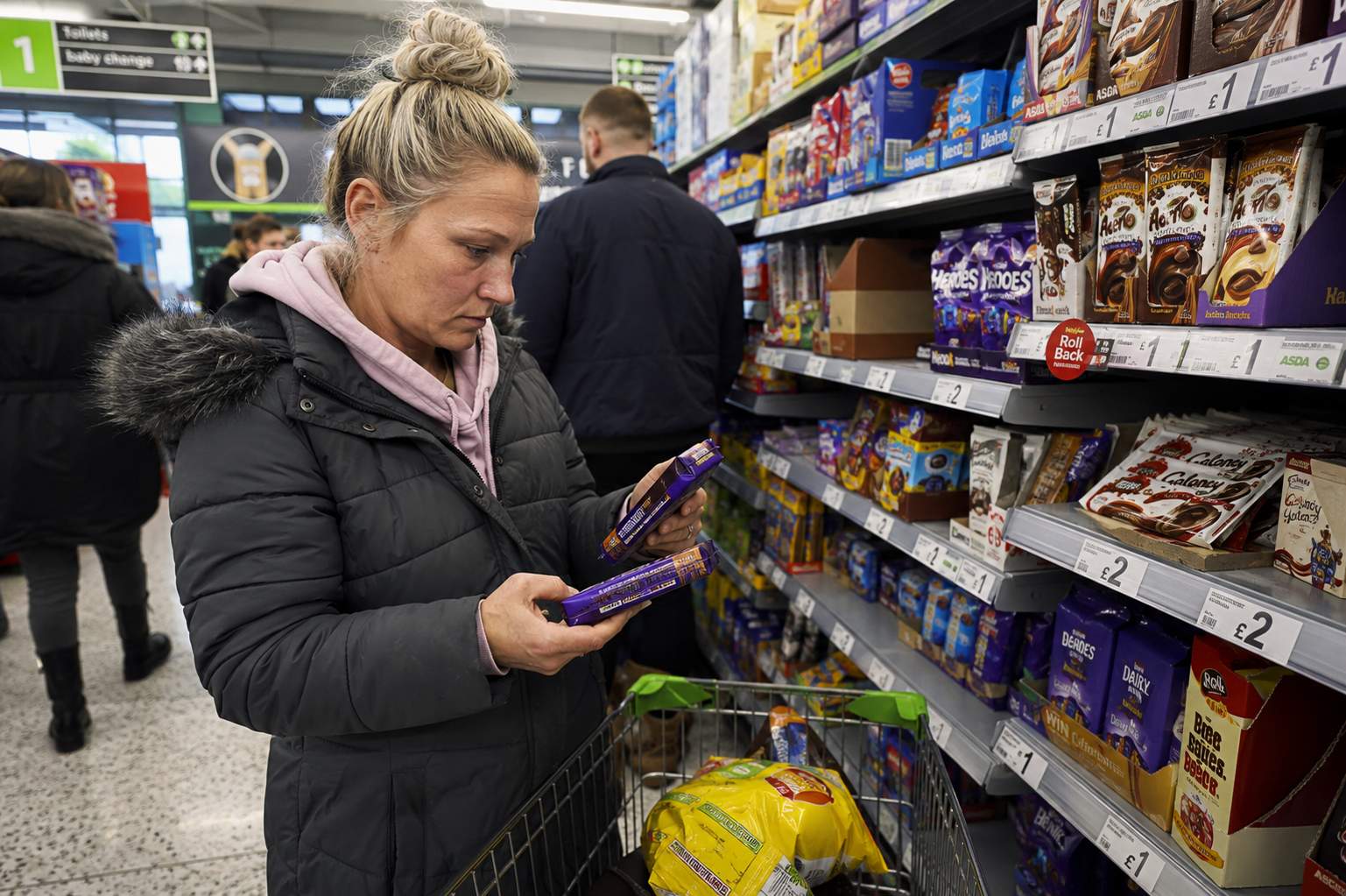
Consumer surveys have consistently found that chocolate, crisps, biscuits and snack bars are among the products most commonly associated with downsizing. One Which? survey found that 50% of shoppers had noticed shrinkflation in chocolate products, while 40% identified crisps and 39% pointed to biscuits.
Examples highlighted in recent investigations include:
Butter packs reduced from 250g to 200g.
Digestive biscuit packs shrinking by around 10%.
Pringles tubes falling from 200g to 185g.
Multipack biscuits containing fewer bars.
Coffee jars containing fewer grams while maintaining similar prices.
Chocolate remains one of the most noticeable examples, partly because consumers often have a strong sense of how large their favourite products used to be.
How Manufacturers Hide Size Reductions.
One reason shrinkflation can be so effective is that the changes are often subtle.
Manufacturers may alter the shape of packaging, increase empty space inside packets or slightly adjust dimensions so products look similar at first glance. A chocolate bar may become thinner rather than shorter. A cereal box may keep the same height while becoming narrower.
In many cases, packaging redesigns occur alongside size reductions, making comparisons with older versions more difficult.
Another tactic involves introducing "new and improved" packaging at the same time as reducing product weight. Shoppers may focus on the redesign rather than the amount of product they are actually receiving.
The Rise of 'Double-Dip' Shrinkflation.
Consumer experts have also warned about what has become known as "double-dip shrinkflation".
This occurs when products are reduced in size more than once over a relatively short period. Research published in 2024 found that 64% of cost-conscious UK shoppers had noticed products undergoing multiple rounds of downsizing. Chocolate, crisps, biscuits and sweets were among the most commonly cited examples.
For consumers, the cumulative effect can be substantial. A product that loses 10% of its size one year and another 10% the following year may look similar on the shelf but offers significantly less value overall.
It's Not Just Food.
While food products receive most of the attention, shrinkflation extends far beyond supermarket shelves.
Toothpaste, shower gel, fabric conditioner, pet food and medicines have all been highlighted in recent consumer investigations. Some products have seen package sizes reduced while prices either remained unchanged or increased.
This means households can be affected across multiple areas of their spending, not just their grocery bills.
For Newcastle families already facing higher living costs, these hidden reductions can make budgeting increasingly difficult.
What Statistics Reveal About Consumer Frustration.
Public concern over shrinkflation has grown sharply in recent years.
A YouGov survey found that concern about shrinkflation continues to rise among British consumers, with awareness now widespread across the country.
Meanwhile, Which? research found that 75% of shoppers believe shrinkflation is not transparent, while 76% said the practice is unhelpful for consumers.
International research has also shown that food is by far the sector where consumers are most likely to notice product downsizing, with around 69% identifying shrinkflation in food products.
These figures suggest that while consumers are becoming more aware of the issue, many still find it difficult to identify exactly when products have changed.
How North East Shoppers Can Protect Themselves.
Although shrinkflation can be difficult to spot, there are several ways consumers can reduce its impact.
Checking unit pricing remains one of the most effective tools available. Most supermarkets display the cost per 100g, kilogram or litre, allowing shoppers to compare products more accurately regardless of package size.
Buying supermarket own-brand alternatives can also provide better value. Many shoppers have already switched to own-label products in response to rising food costs.
Comparing prices between retailers, using loyalty card offers carefully and paying attention to package weights can all help shoppers avoid hidden price increases.
Ultimately, awareness remains the strongest defence against shrinkflation.
Why The Debate Isn't Going Away.
Manufacturers argue that rising costs for ingredients, energy, transport and labour have forced difficult decisions. Many claim reducing product sizes allows them to avoid even larger price increases.
Consumer groups, however, believe greater transparency is needed. Calls have grown for clearer labelling when package sizes change, allowing shoppers to make fully informed decisions.
As Newcastle households continue to navigate the cost of living crisis, shrinkflation is likely to remain a major concern. While a few grams here or a couple of biscuits there may not seem significant on their own, the cumulative impact across an entire weekly shop can leave consumers paying considerably more for considerably less.
Join the conversation.
Which products do you think offer the worst value for money today?
Local News
How Shrinkflation Is Emptying North East Wallets
Advertisement




Comments (0)
You must be logged in to post comments.
Don't have an account? Register here
No comments yet. Be the first to share your thoughts!