
For years, it was a question many people quietly asked while walking through Britain's town centres.
How could several barber shops, vape stores, phone repair businesses and mini markets survive side by side on the same street?
Some dismissed the discussion as social media gossip.
Others suggested there had to be more going on behind the scenes.
Now Britain's largest ever coordinated crackdown on high street crime has revealed that, in some cases, those suspicions were justified.
Operation Machinize, led by the National Crime Agency, has become the biggest investigation ever launched into the criminal exploitation of Britain's high streets. Its findings have uncovered money laundering, illegal working, counterfeit goods, modern slavery concerns and organised crime operating behind the doors of businesses that outwardly appeared completely ordinary.
Importantly, investigators have repeatedly stressed that the overwhelming majority of barber shops, vape stores, phone repair businesses and other independent retailers operate honestly and legally. The operation targets intelligence-led suspects, not entire industries.
What is Operation Machinize.
The National Crime Agency created Operation Machinize after concluding that organised criminal groups were increasingly exploiting legitimate-looking high street businesses to hide illegal activity.
Rather than focusing on one type of offence, investigators believed many businesses were acting as hubs for several forms of organised crime at once.
According to the NCA, these include money laundering, tax evasion, illegal working, modern slavery, illicit tobacco, illegal vapes, counterfeit goods, drug trafficking and wider organised crime.
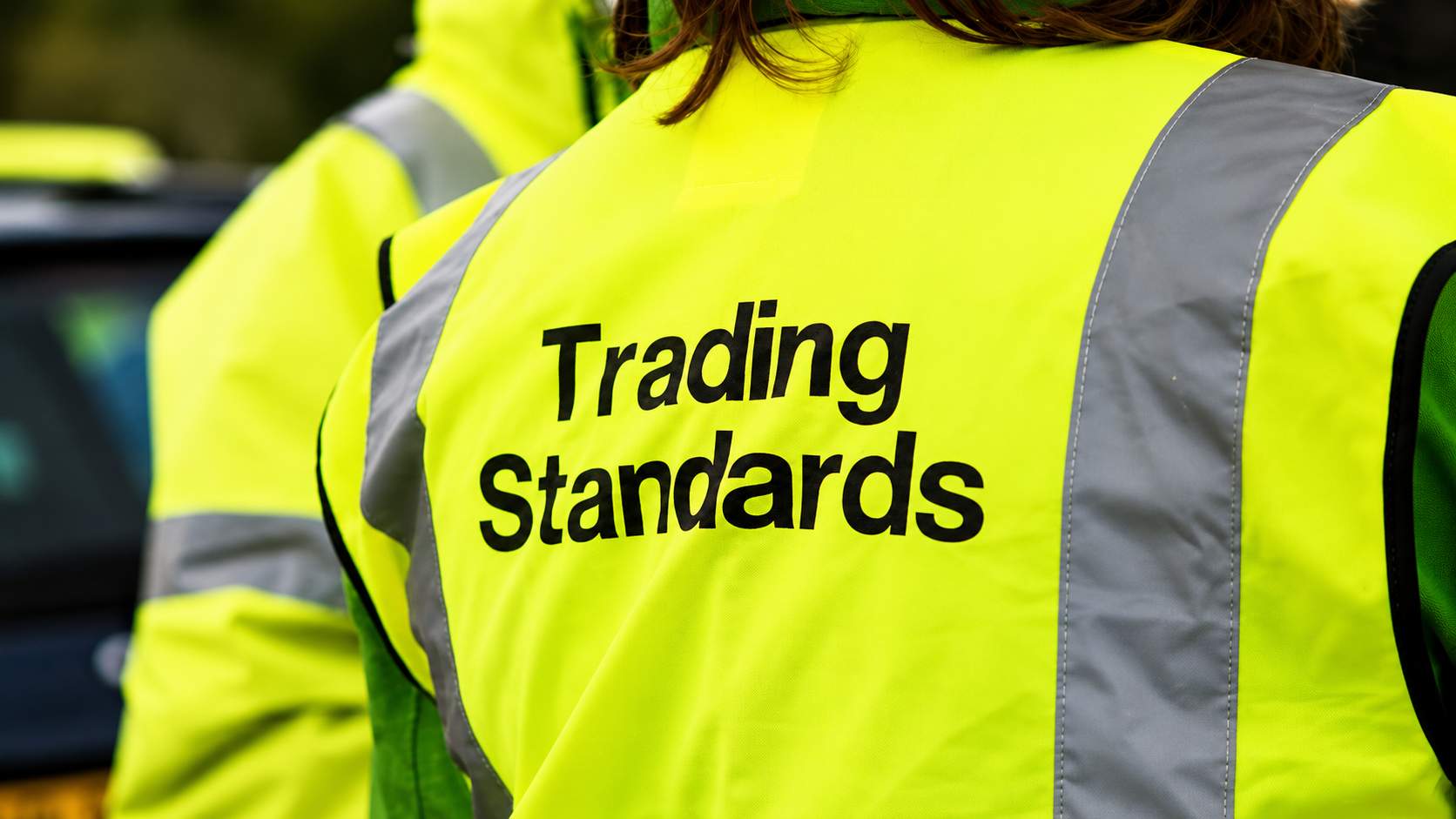
The operation brings together every UK police force alongside HM Revenue and Customs, Immigration Enforcement, Trading Standards, Companies House and regional organised crime units.
Officials say this joined-up approach allows agencies to tackle criminal networks that often cross several areas of law enforcement.
The figures behind Britain's biggest crackdown.
The first phase of Operation Machinize launched in spring 2025 and immediately demonstrated the scale of the problem.
Across just 265 premises visited by officers, investigators made 35 arrests, froze more than £1 million held in bank accounts, seized over £40,000 in cash, recovered around 8,000 illegal vapes, confiscated approximately 200,000 illicit cigarettes and identified 97 potential victims linked to modern slavery concerns.
Officers also uncovered cannabis farms hidden behind apparently legitimate businesses, while ten premises were shut down during the operation.
Those early results convinced investigators that criminal exploitation of Britain's high streets was far more widespread than originally believed.
The second operation was even larger.
Operation Machinize returned later in 2025 on a dramatically larger scale.
Throughout October, every police force in the UK took part in coordinated enforcement activity targeting suspected criminal businesses.
The final figures were unprecedented.
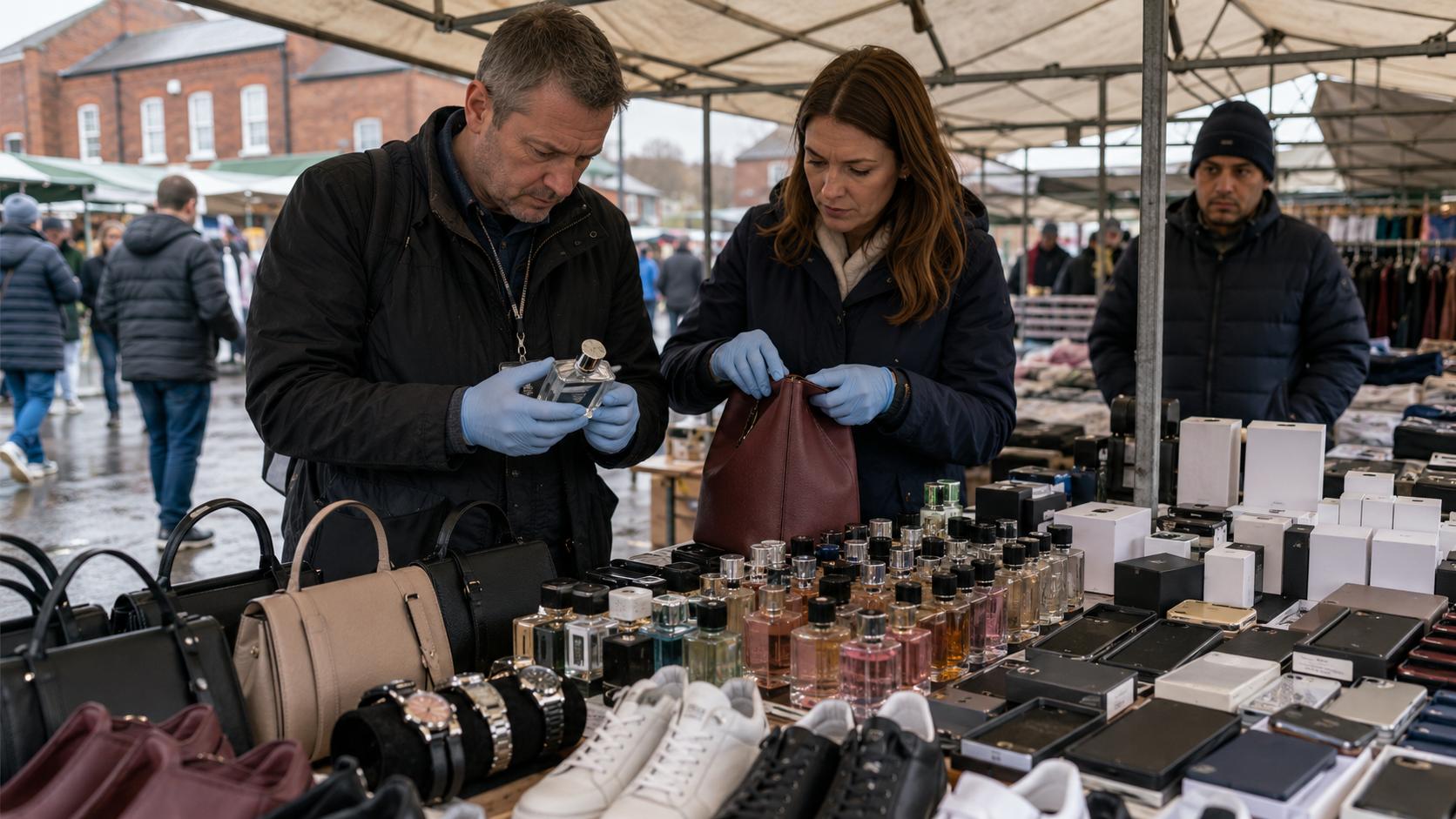
Police visited or raided 2,734 premises, arrested 924 individuals, seized more than £10.7 million in suspected criminal proceeds, destroyed £2.7 million worth of illicit goods, confiscated 111,000 illegal vapes, 4.5 million illegal cigarettes, 622 kilograms of illegal tobacco and referred more than 450 companies to Companies House for further investigation.
The National Crime Agency described it as the largest operation ever undertaken against economic crime on Britain's high streets.
What happened in the North East.
Although much national attention focused on London and larger cities, the North East also played a significant role in Operation Machinize.
Regional Organised Crime Unit officers confirmed that across the North East they visited 136 premises, made 39 arrests, seized almost £280,000 worth of illegal vapes, cigarettes and tobacco, and disrupted a suspected "shatter" drug production operation worth around £120,000.
The regional figures demonstrate that organised crime linked to high street businesses is not confined to larger metropolitan areas.
Instead, investigators say criminal groups operate across communities throughout England and Wales.
Why do organised crime groups target high street businesses.
The answer largely comes down to cash.
The National Crime Agency estimates that approximately £12 billion of criminal cash is generated in the UK every year.
Criminal organisations need ways of introducing that money into the legitimate economy.
Businesses that naturally handle cash transactions can make it easier to disguise illegal income among genuine sales.
Investigators also say these premises may be used to employ illegal workers, distribute counterfeit products, evade tax or provide meeting places for organised crime groups.
That does not mean every cash-based business is suspicious.
It simply explains why organised criminals are attracted to sectors where cash transactions remain common.
Why barber shops, vape stores and phone repair businesses.
Investigators have highlighted several sectors that have repeatedly appeared during intelligence-led investigations.
Barber shops often rely on repeat customers paying relatively small amounts, making customer volumes difficult to judge from outside.
Vape retailers can be targeted because of the lucrative illegal market in counterfeit and non-compliant products.
Phone repair businesses may combine repairs, accessories and second-hand device sales, creating multiple revenue streams.
Other sectors investigated include car washes, nail salons, takeaways, mini markets and American sweet shops.
Again, the NCA has emphasised that these businesses are not inherently criminal. Criminal groups exploit some businesses operating within these sectors, while the majority trade lawfully.
Why this matters for Newcastle.
Walk through Newcastle city centre today and it is impossible not to notice how Britain's high streets have changed.
Traditional banks, department stores and national retailers have gradually given way to more service-based businesses.
Most of those businesses are genuine independent entrepreneurs investing in local communities.
However, Operation Machinize has also shown why investigators are paying closer attention to certain sectors where organised crime has previously attempted to hide in plain sight.
For honest business owners, these investigations are equally important.
Removing criminal operators helps create fairer competition while protecting legitimate businesses that pay taxes, employ staff legally and contribute to the local economy.
What happens next.
Operation Machinize was never intended to be a one-off campaign.
The National Crime Agency has indicated that coordinated enforcement will continue as intelligence develops and criminal organisations adapt their methods.
Officials believe following criminal money can often be more effective than simply arresting individual offenders.
By targeting the businesses used to clean illegal profits, investigators hope to remove the financial foundations that allow organised crime to grow.
For shoppers in Newcastle and across the North East, the message is balanced.
The overwhelming majority of independent businesses remain honest local employers.
But Operation Machinize has also revealed that organised crime can sometimes hide behind everyday shopfronts, making continued enforcement an important part of protecting Britain's high streets.
Have your say.
Have you noticed changes to Newcastle's high streets over the past few years?
Crime News
Inside Britain's Biggest High Street Retail Crackdown
Advertisement


Comments (0)
You must be logged in to post comments.
Don't have an account? Register here
No comments yet. Be the first to share your thoughts!