
For many shoppers, Britain's high streets are places to grab a haircut, repair a phone or pick up everyday essentials.
But behind some ordinary-looking shopfronts, investigators say they are uncovering a much darker reality.
Police and the National Crime Agency have warned that organised crime groups are exploiting certain high street businesses to conceal offences including money laundering, illegal working and, in some cases, modern slavery and human trafficking.
The message from investigators is clear. Most businesses across Britain's high streets are run by honest owners who employ local people and contribute to their communities. However, intelligence-led operations have shown that a small number of businesses have been used by organised crime groups to exploit vulnerable people while disguising criminal activity behind legitimate trading.
What is modern slavery.
Modern slavery is an umbrella term covering offences including human trafficking, forced labour, servitude and exploitation.
Victims can be forced to work long hours for little or no pay, have their identity documents taken away and live under threats, intimidation or violence.
Many are recruited through false promises of work before finding themselves trapped in situations where they cannot easily leave.
According to the Home Office, there were 23,411 potential victims of modern slavery referred to the National Referral Mechanism during 2025, the highest annual total since records began. The figure represented a 22 percent increase compared with the previous year, highlighting both growing awareness and the continuing scale of the problem.
What investigators uncovered during Operation Machinize.
The issue gained national attention following Operation Machinize, a coordinated National Crime Agency operation targeting businesses suspected of being exploited by organised crime.
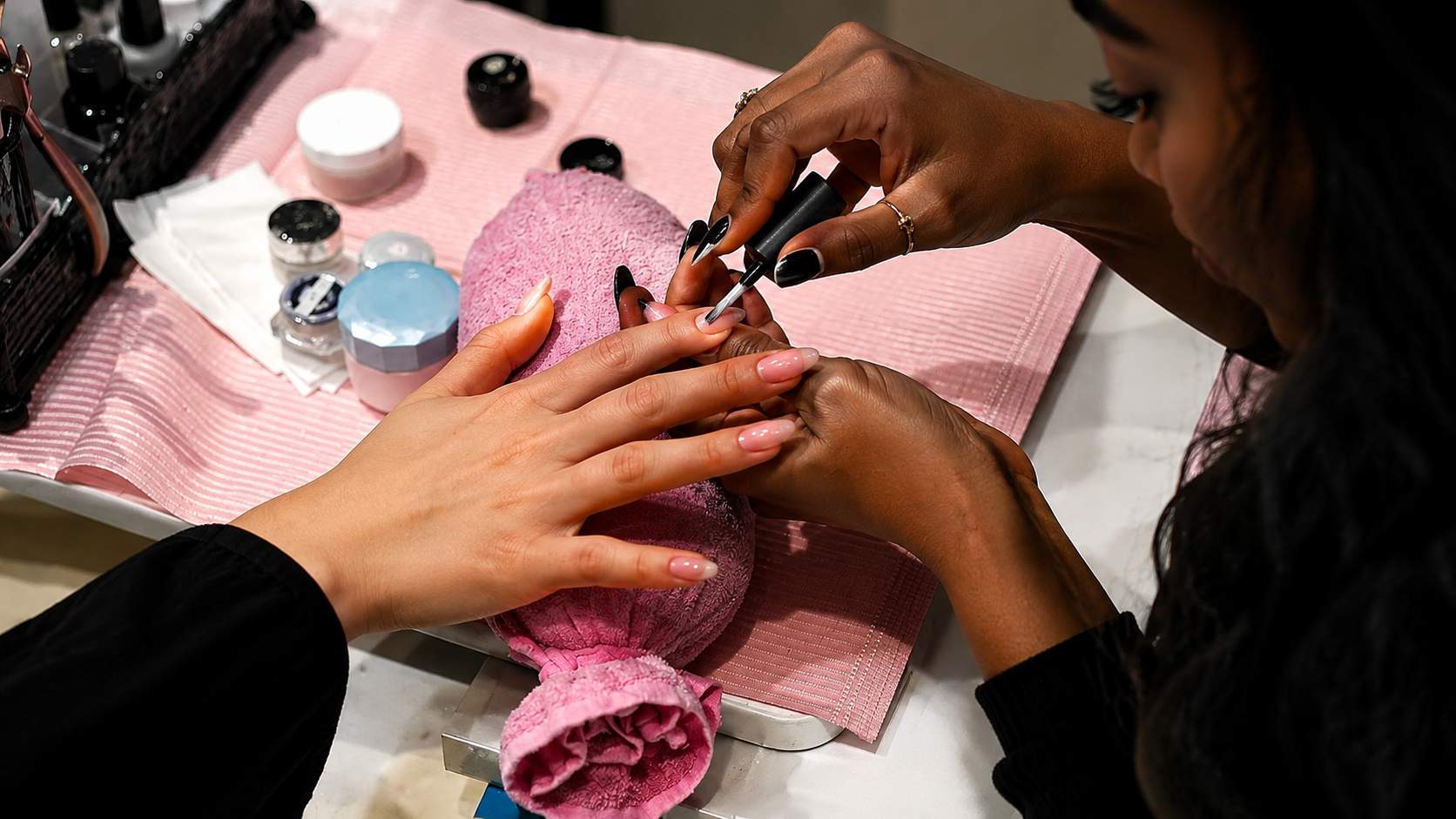
The first phase of the operation involved visits to hundreds of cash-intensive businesses including barber shops, vape stores, mini markets, nail salons and phone repair shops.
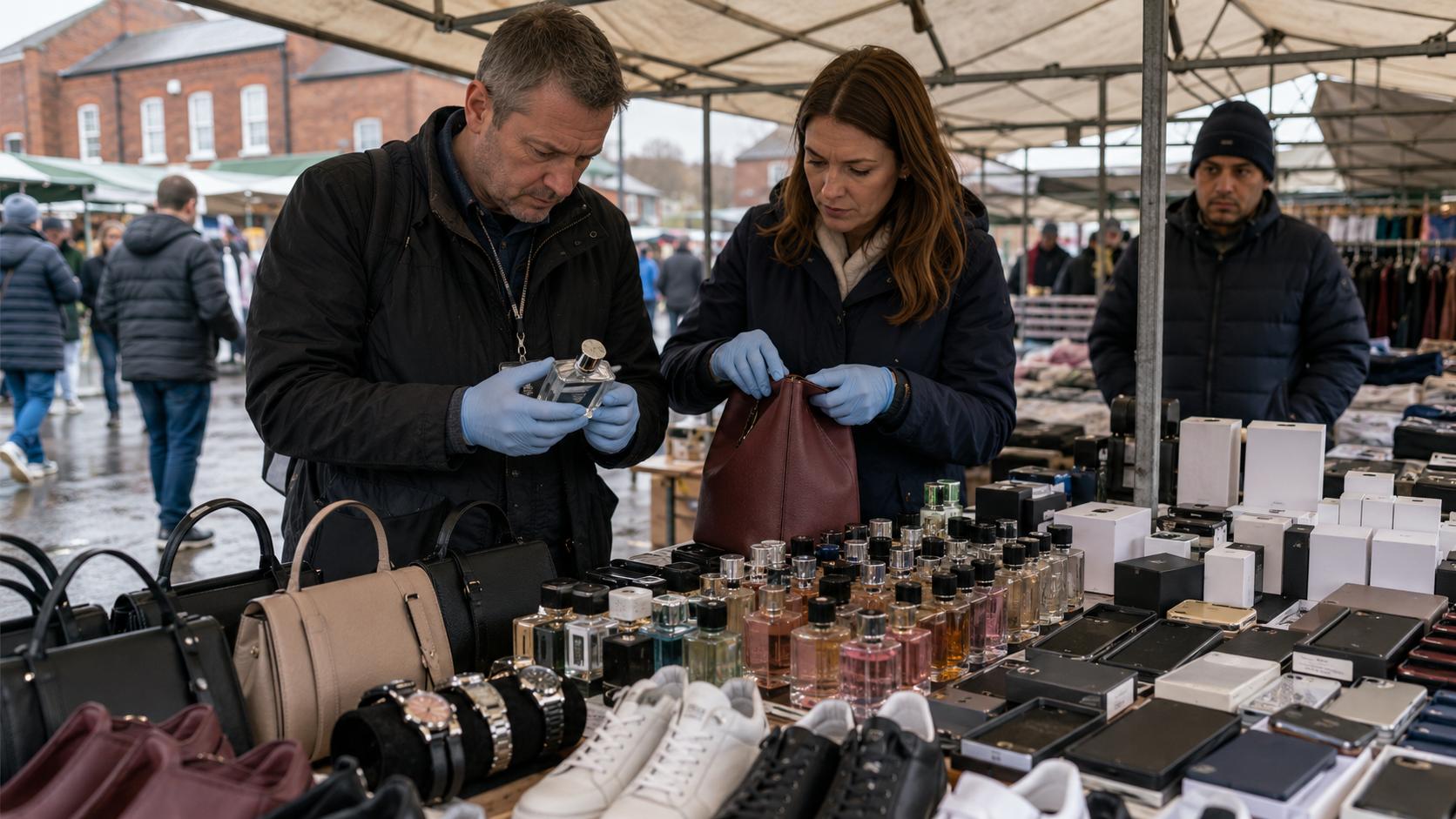
Investigators made 35 arrests, froze more than £1 million in bank accounts, seized illegal tobacco, counterfeit vapes and cash, and, perhaps most significantly, identified and safeguarded 97 people believed to be potential victims of modern slavery.
Officials also uncovered links to organised immigration crime, drug trafficking and human trafficking networks operating behind apparently legitimate businesses.
The North East was part of the operation.
Although many headlines focused on larger cities, the North East was also included in Operation Machinize.
The North East Regional Organised Crime Unit, working alongside Northumbria Police, Durham Constabulary, Cleveland Police, HMRC, Immigration Enforcement and Trading Standards, carried out coordinated visits across the region.
During the first operation, officers visited 39 premises, seized more than £80,000 worth of illegal vapes, cigarettes and tobacco, recovered £5,000 in suspected criminal cash and arrested a man on suspicion of money laundering and possessing stolen goods. Investigators said the wider operation was designed to disrupt criminal networks linked to offences including human trafficking and modern slavery.
Later phases of Operation Machinize expanded further, with the North East seeing 136 premises visited, 39 arrests, almost £280,000 worth of illegal tobacco and vapes seized, and the disruption of an illegal drug production operation worth around £120,000.
Why high street businesses can be targeted.
Investigators say organised crime groups often seek businesses that naturally handle cash and attract regular customers.
Cash-intensive businesses can provide opportunities to disguise criminal income, while vulnerable workers may be hidden within apparently legitimate operations.
The National Crime Agency has highlighted links between some targeted premises and offences including organised immigration crime, illegal working, firearms, illicit tobacco, counterfeit products and modern slavery.
That does not mean every barber shop, vape retailer or phone repair business should be viewed with suspicion.
The NCA has repeatedly stressed that enforcement activity is intelligence-led and focused on specific businesses where evidence suggests criminal exploitation, rather than targeting entire sectors.
Why protecting victims matters.
Modern slavery is often described as a hidden crime because victims may be frightened to come forward or unable to seek help.
Investigators say many victims have their movements controlled, wages withheld or passports confiscated, making escape extremely difficult.
The National Referral Mechanism exists to identify and support potential victims, but charities continue to warn that many exploited people remain undetected.
Law enforcement agencies believe disrupting organised crime finances is one of the most effective ways of protecting vulnerable people and preventing further exploitation.
What this means for Newcastle and the wider North East.
For Newcastle residents, Operation Machinize serves as a reminder that organised crime is not confined to major metropolitan areas.
Regional enforcement activity shows that criminal networks can operate across communities throughout the North East, often attempting to blend into everyday high streets.
At the same time, the overwhelming majority of independent businesses continue to trade honestly and provide valuable jobs and services.
Investigators say the challenge is identifying the small number of businesses being exploited by organised crime while protecting legitimate traders from unfair suspicion.
As police continue to follow criminal money rather than simply criminal offenders, Britain's high streets are likely to remain a key focus in the fight against organised crime and modern slavery.
Share your thoughts.
Do you think enough is being done to tackle modern slavery and organised crime?
Crime News
Inside the UK's High Street Modern Slavery Crackdown
Advertisement

Comments (0)
You must be logged in to post comments.
Don't have an account? Register here
No comments yet. Be the first to share your thoughts!