
The rivers and coastline of the North East are among its greatest natural assets, but their health has become a source of growing public concern. Revelations about the scale of sewage being discharged into the region's waterways have provoked anger and alarm, shining a spotlight on the state of the region's rivers and seas.
A Staggering Scale.
The figures behind the sewage scandal are striking. The region's water company discharged raw sewage into North East waterways for more than two hundred and eighty thousand hours in a single recent year, more than double the figure for the year before.
These discharges came from tens of thousands of individual spills from storm overflows, with the average length of each spill also rising. Such numbers have transformed what was once seen as an occasional emergency measure into something that feels routine.
How Sewage Ends Up in Rivers.
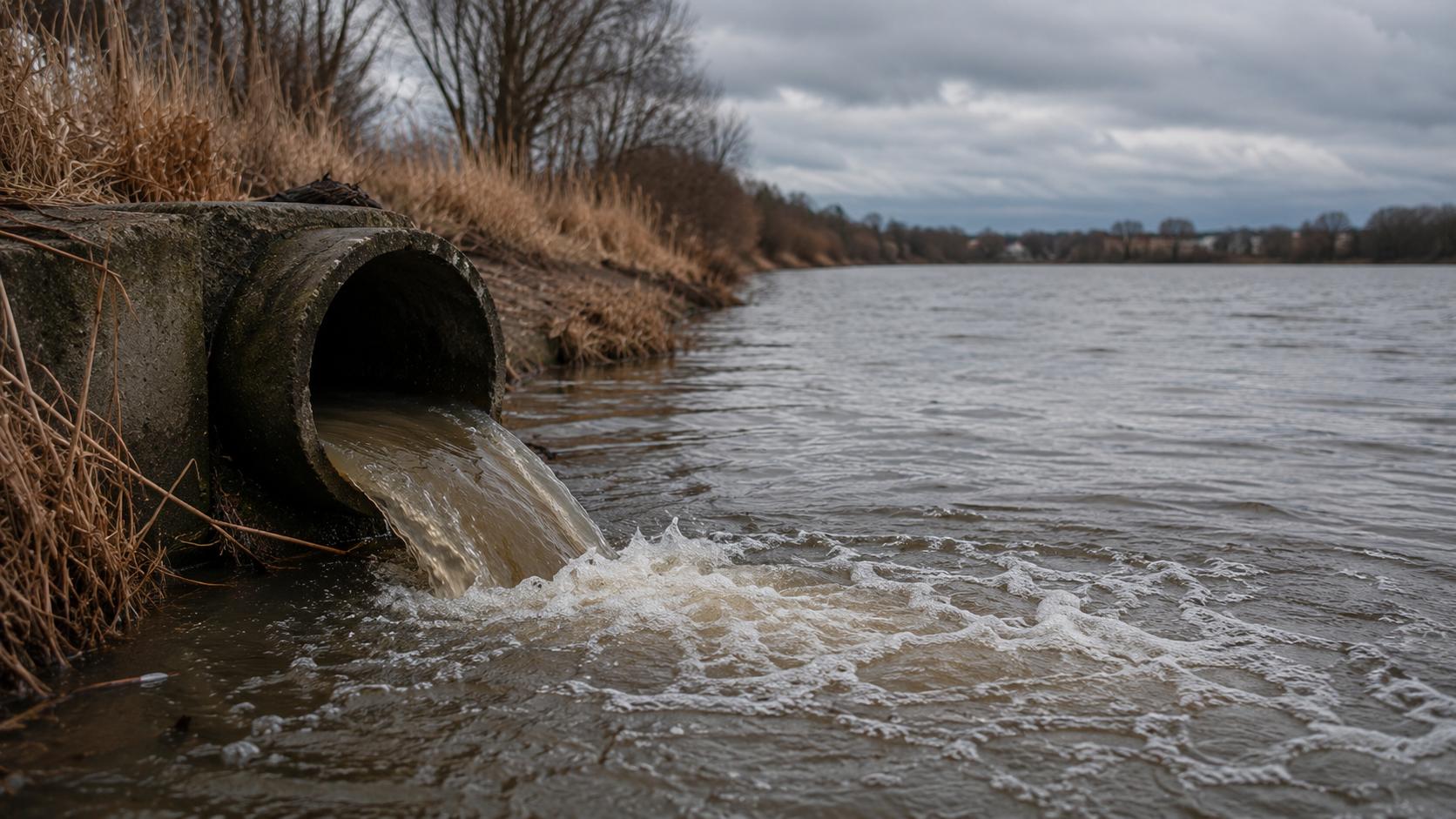
The mechanism behind these discharges lies in the design of the sewer system. Storm overflows are built to release a mixture of rainwater and sewage into rivers and the sea during periods of heavy rain, in order to prevent the system from backing up and flooding homes and streets.
The problem is that these overflows now appear to operate even in ordinary rainfall, rather than only in genuine emergencies, suggesting a system under cumulative strain. Critics argue this points to chronic underinvestment in sewers and treatment that have not kept pace with demand.
Weather and Underinvestment.
Part of the rise in discharges has been attributed to exceptionally wet weather, with one recent year among the wettest on record, which increased the volume of rainwater entering the system. The increase across the country was officially described as disappointing.
But campaigners argue that blaming the weather only goes so far, and that the underlying problem is decades of underinvestment in the infrastructure needed to cope. The frequency of discharges even in normal conditions lends weight to those concerns.
The Impact on Rivers and Seas.
The consequences of sewage discharges fall on the region's natural environment and on the people who use it. Raw sewage in rivers and seas harms wildlife, polluting the water and damaging the ecosystems that depend on it, and poses risks to the health of swimmers, surfers and others who enjoy the water.
Public concern has grown sharply, with many people now wary of swimming in the sea and demanding to know when and where discharges are taking place. The state of the region's waters has become a prominent local and national issue.
A Brighter Side at the Coast.
Amid the alarm, there is a more positive counterpoint at the coast. The great majority of the region's designated coastal bathing waters are classified as being of excellent or good quality, and the region's rivers and coastal waters compare relatively well on some measures of ecological health.
This more encouraging picture should not excuse the scale of sewage discharges, but it does offer reassurance about the quality of many of the region's beaches. The North East coast remains, for the most part, a place to be enjoyed.
Promises of Improvement.
Northumbria Water has acknowledged that change is needed and has committed to significant investment to reduce its reliance on storm overflows and upgrade its network, with more ambitious plans promised for the years ahead. Tens of millions of pounds have been invested, with further investment pledged.
At the same time, customers face rising bills, prompting questions about who should pay to fix the problem. There is also a growing requirement for water companies to provide near-real-time information about discharges, so that the public can see what is happening to their rivers and seas.
A Question of Priorities.
The sewage scandal has become emblematic of wider questions about how essential services are run and funded, and about the balance between investment, bills and the health of the environment. For many people, the idea that raw sewage is routinely discharged into rivers and seas is simply unacceptable.
There is growing pressure for water companies to do more, faster, to clean up their act, and for greater transparency and accountability. The state of the region's waters has become a touchstone for public concern about the environment.
Cleaning Up Our Waters.
The scale of sewage discharges into the North East's rivers and seas, running to hundreds of thousands of hours a year, is a serious environmental concern that has rightly provoked public anger. While exceptional weather has played a part, the frequency of discharges points to deeper problems of investment and infrastructure that must be addressed.
The promised investment and greater transparency are welcome, but many will judge them against the pace of real improvement in the health of the region's waters. The rivers and coastline of the North East are too precious to be treated as a dumping ground, and cleaning them up is a goal worth pursuing.
A Test of Accountability.
The sewage scandal has become, for many people, a test of accountability, raising fundamental questions about how essential services are run, who is responsible when things go wrong, and how the public interest is protected. Clean rivers and seas are a public good, essential to the health of the environment and to the people who use and enjoy them, yet the responsibility for protecting them rests in large part with companies that must also balance the interests of their customers and their finances.
When raw sewage is routinely discharged into rivers and seas, questions inevitably arise about whether enough has been invested in the infrastructure needed to prevent it, and about how the balance between bills, investment and environmental protection has been struck over the years. The public anger that the issue has provoked reflects a sense that something has gone wrong, that a basic expectation, that sewage should not be pouring into the waters where people swim and wildlife lives, has not been met.
Restoring trust will require not only investment to reduce discharges but greater transparency, so that the public can see clearly what is happening to their rivers and seas, and genuine accountability when standards are not met. The growing requirement to provide near-real-time information about discharges is a step in this direction, giving people the information they need to hold those responsible to account.
Ultimately, the state of the region's waters is a shared concern, and protecting them depends on those responsible being held to high standards and on the public interest being placed at the heart of decisions. The sewage scandal has put these questions of accountability firmly on the agenda, and how they are answered will shape the health of the region's rivers and seas for years to come.
Have your say.
The region's water company discharged raw sewage into North East waterways for over 280,000 hours in a single recent year.
How concerned are you about sewage in our rivers and seas?
Local News
Troubled Waters: Sewage Spills and the State of the Region's Rivers and Seas
The region's water company discharged raw sewage into our waterways for over 280,000 hours in a year. We look at the sewage scandal and the state of our waters.
Advertisement




Comments (0)
You must be logged in to post comments.
Don't have an account? Register here
No comments yet. Be the first to share your thoughts!