
As temperatures continue to rise across Newcastle and the North East, many homeowners are noticing an unwelcome increase in insects around their homes. From flying ants and house flies to wasps and mosquitoes, summer creates ideal conditions for pests looking for food, warmth and shelter.
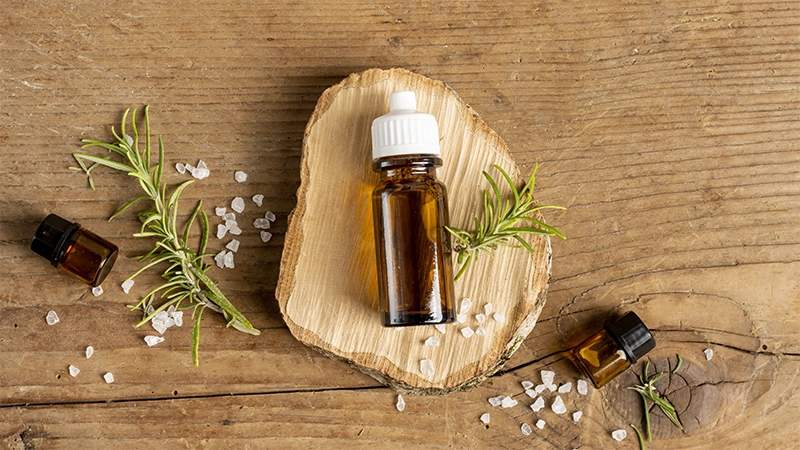
Many people prefer to avoid chemical sprays wherever possible, leading to growing interest in natural alternatives. Essential oils have become one of the most popular options, but experts say it is important to understand which oils have genuine scientific backing and which claims are simply internet myths.
Research shows that some essential oils can help deter insects for short periods, although they work best as part of a wider pest prevention strategy rather than as a complete solution.
Why insects become more active during summer.
July is one of the busiest months for insect activity across the UK. Warm weather speeds up breeding cycles, while longer daylight hours encourage insects to forage and reproduce.
In urban areas such as Newcastle, Gateshead, Sunderland and Durham, gardens, bins, outdoor dining areas and standing water all provide ideal conditions for common household pests.
The Met Office says warmer weather patterns can increase insect activity, particularly after periods of rainfall followed by sunshine, which explains why many residents suddenly notice more flies, ants and wasps during July.
Which essential oils actually work.
While dozens of essential oils are marketed as natural insect repellents, only a handful have consistently shown promising results in scientific studies.
Oil of lemon eucalyptus is considered one of the strongest plant-based repellents available. Products containing its active ingredient, PMD, have been shown to provide protection that can last several hours against mosquitoes, making it one of the few natural alternatives backed by extensive evidence.
Citronella oil has long been associated with summer evenings and garden candles. Although citronella candles alone provide limited protection, citronella oil applied in appropriate formulations can help repel mosquitoes and some flying insects.
Peppermint oil has been shown to discourage several insects, including ants, flies and mosquitoes, while also being widely used to deter spiders around the home.
Lavender oil may also offer short-term repellent effects while providing the added benefit of leaving homes smelling fresh. However, experts caution that its protection period is relatively brief.
Recent laboratory research comparing 20 essential oils found that clove and cinnamon oils were among the strongest performers against mosquitoes, providing more than 100 minutes of protection in controlled conditions.
How North East homeowners can use essential oils safely.
For households across the North East, essential oils work best when combined with practical prevention.
Adding a few drops of peppermint or citronella oil to a water spray can help treat windowsills, door frames and other entry points. Many people also place a few drops onto cotton pads near bins or conservatories where insects tend to gather.
However, experts stress that essential oils should never replace good household hygiene. Keeping food covered, regularly emptying bins, repairing damaged window seals and removing standing water remain the most effective ways to reduce insect problems.
It is also important to remember that concentrated essential oils can irritate skin and may be harmful to pets, particularly cats. Oils should always be diluted correctly and used in well ventilated areas.
Surprising facts about insects and natural repellents.
Several statistics highlight why natural insect control has become increasingly popular.
Research suggests mosquitoes are responsible for transmitting diseases that affect hundreds of millions of people globally each year, making effective repellents an important public health tool in many parts of the world.
Scientific reviews have also found that plant-based repellents generally provide shorter protection times than products containing DEET or picaridin because essential oils evaporate more quickly in warm weather.
Meanwhile, studies continue to investigate plant-derived repellents as consumer demand for natural household products continues to grow. Researchers believe better formulations could improve their effectiveness in the future.
Natural prevention still works best.
For homeowners across Newcastle and the wider North East, essential oils can play a useful role in reducing insect activity during the busiest summer months. Oils such as peppermint, citronella and oil of lemon eucalyptus have the strongest evidence behind them, but they should be viewed as one part of a wider approach.
Simple steps such as fitting fly screens, keeping kitchens clean, sealing small gaps around doors and windows and removing sources of standing water will usually have a greater impact than relying on any single product alone.
With insect activity expected to remain high throughout July, combining natural repellents with good home maintenance offers households the best chance of enjoying a more comfortable summer indoors.
Share your experience below.
Have you tried essential oils to keep insects away from inside your home this summer?
Lifestyle News
The Essential Oils That Really Repel Insects
Advertisement





Comments (0)
You must be logged in to post comments.
Don't have an account? Register here
No comments yet. Be the first to share your thoughts!