
Cats have become one of the most loved household pets across Newcastle and the wider UK, with millions of families welcoming feline companions into their homes. From city centre flats to countryside cottages, domestic cats have earned a reputation for being affectionate, independent and perfectly suited to modern British lifestyles.
The popularity of cats in the UK continues to grow as more people look for pets that can adapt to busy schedules while still offering companionship. Newcastle, in particular, has seen a steady rise in cat ownership over recent years, with local rescue centres, veterinary practices and pet retailers all reporting increased interest in popular cat breeds.
The relationship between humans and cats stretches back thousands of years. Historians believe cats were first domesticated in the Near East around 9,000 years ago, where they were valued for controlling rodents around grain stores and settlements. Ancient Egyptians later elevated cats to sacred status, often depicting them in artwork and protecting them under law.
Cats eventually spread throughout Europe aboard trading ships, where they were used to control mice and rats during long sea voyages. By the Victorian era in Britain, cats had transformed from working animals into beloved household pets. The first organised cat shows in London during the late 1800s helped establish many of the pedigree breeds still popular today.
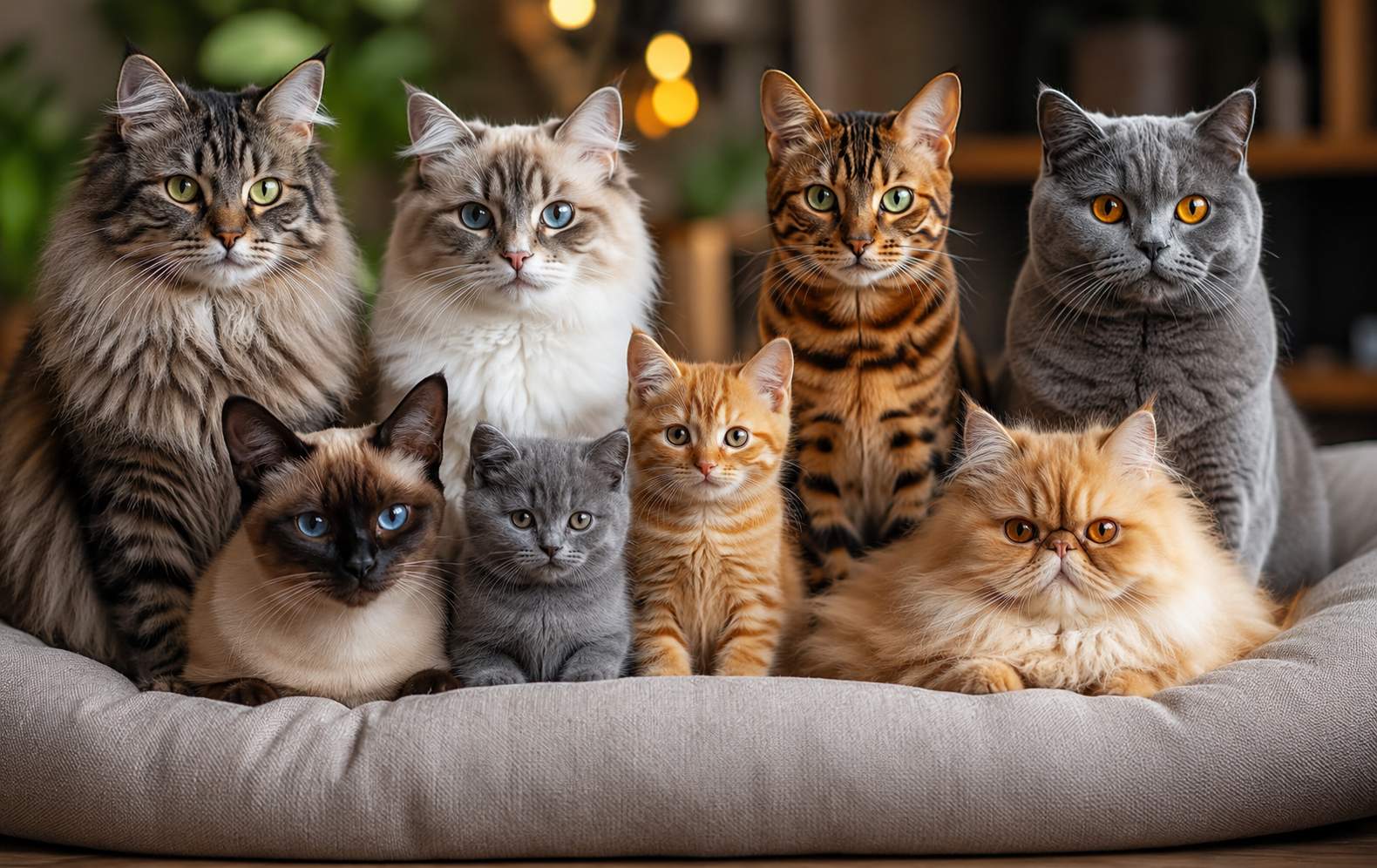
Today, British cat owners often choose breeds based on temperament, grooming requirements and suitability for family life. Here are six of the most popular domestic cat breeds found in Newcastle and throughout the UK.
British Shorthair.
The British Shorthair remains one of the UK's most recognisable and widely owned cat breeds. Known for its dense coat, broad face and calm personality, this breed has become a favourite among families and older pet owners alike.
Originally descended from cats brought to Britain by the Romans, the British Shorthair developed naturally over centuries before becoming a recognised pedigree breed during the Victorian period. The iconic blue-grey version is the most famous, although the breed now appears in many colours and patterns.
One reason the British Shorthair remains so popular in Newcastle homes is its relaxed nature. These cats are generally quiet, affectionate and low maintenance compared with more demanding breeds. They are comfortable living indoors and adapt well to both flats and larger homes.
British Shorthairs are also known for their loyalty. While they may not constantly seek attention, they often form strong bonds with their owners and enjoy being close by throughout the day. Their thick coat requires weekly grooming, especially during shedding seasons.
Veterinarians across the UK often recommend the breed for first time cat owners because of its easy-going temperament and generally good health. Their sturdy build and calm behaviour make them ideal companions for households looking for a dependable family pet.
Maine Coon.
The Maine Coon has become increasingly popular across the UK over the past decade, with many Newcastle cat lovers drawn to its impressive size and friendly personality.
Often referred to as the "gentle giant" of the cat world, Maine Coons are among the largest domestic cat breeds. Adult males can weigh over 8 kilograms, yet their temperament is typically gentle and sociable.
The breed is believed to have originated in North America, specifically the state of Maine, where harsh winters helped shape its thick water-resistant coat and bushy tail. Their rugged appearance gives them a wild look, although they are known for being affectionate and playful.
Maine Coons are particularly popular among families with children because of their patient and tolerant nature. They are highly intelligent and often enjoy interactive games, climbing towers and puzzle toys.
Unlike some independent cat breeds, Maine Coons tend to follow their owners from room to room and enjoy social interaction. Many owners describe them as dog-like due to their loyal behaviour and ability to learn simple commands.
Because of their long fur, regular grooming is essential to prevent matting. Despite this, many UK cat owners consider the effort worthwhile due to the breed's loving personality and striking appearance.
Ragdoll.
The Ragdoll has rapidly become one of the UK's favourite indoor cat breeds, especially among younger professionals and families living in urban areas such as Newcastle.
Developed in the United States during the 1960s, the Ragdoll is famous for its calm temperament and tendency to relax completely when picked up, which inspired the breed's unusual name.
Ragdolls are large cats with semi-long coats, bright blue eyes and colour-point markings similar to Siamese cats. Their soft fur and affectionate behaviour make them particularly appealing to households seeking a companion animal.
One reason Ragdolls perform well in UK homes is their indoor-friendly personality. They are generally less adventurous outdoors compared with some breeds, which makes them suitable for city living.
These cats thrive on companionship and often dislike being left alone for long periods. Many owners in Newcastle choose Ragdolls because they integrate well into family environments and usually get along with children and other pets.
Although their coats are long, Ragdolls shed less heavily than many people expect. Weekly grooming usually keeps their fur in good condition. Their calm personality and affectionate nature continue to drive demand throughout Britain.
Bengal.
The Bengal cat stands out as one of the most visually distinctive breeds in the UK. With its leopard-like markings and athletic build, the Bengal has gained a strong following among cat enthusiasts seeking an energetic and intelligent pet.
The breed was developed by crossing domestic cats with the Asian leopard cat during the late twentieth century. Modern Bengals are fully domesticated, although their appearance still resembles a small wild cat.
Bengals are extremely active and require more stimulation than many traditional cat breeds. Owners often provide climbing shelves, interactive toys and regular play sessions to keep them entertained.
In Newcastle and other urban areas, Bengals have become popular among younger owners who appreciate their striking appearance and lively personalities. These cats are known for being curious, vocal and highly intelligent.
Unlike many domestic cats, Bengals are often fascinated by water and may play in sinks or bathtubs. Their athletic ability also means they enjoy climbing and exploring high spaces around the home.
Because of their energy levels, Bengals are best suited to owners who can dedicate time to interaction and enrichment activities. Their short coats are relatively easy to maintain, requiring only occasional brushing.
Despite their demanding nature, Bengals continue to rise in popularity across the UK thanks to their exotic appearance and engaging personalities.
Siamese.
The Siamese cat has remained a popular breed in Britain for generations. Recognisable for its slender body, pointed colouring and bright blue eyes, the Siamese is often considered one of the most elegant domestic cat breeds.
Originating in Thailand, formerly known as Siam, these cats were once associated with royal households and temples. They arrived in Britain during the nineteenth century and quickly became fashionable among wealthy Victorian families.
Siamese cats are famous for their vocal nature and strong attachment to their owners. They are highly social animals that enjoy conversation and interaction throughout the day.
In many Newcastle homes, Siamese cats are valued for their intelligence and affectionate personalities. They often seek constant companionship and dislike being ignored or isolated.
Their sleek coats require minimal grooming, making them relatively easy to care for. However, their emotional needs are higher than some breeds, meaning they thrive best in households where someone is regularly at home.
Siamese cats are also known for their playful behaviour well into adulthood. Many owners describe them as entertaining, energetic and deeply loyal companions.
Their combination of elegance, intelligence and affection continues to make the Siamese one of the UK's most enduringly popular cat breeds.
Persian.
The Persian cat remains one of the most luxurious and recognisable breeds found across the UK. Known for its long flowing coat, flat face and calm personality, the Persian has been associated with sophistication for decades.
Persian cats are believed to have originated in the Middle East before arriving in Europe during the seventeenth century. They later became highly fashionable in Victorian Britain, where selective breeding helped establish the modern Persian appearance.
Today, Persians are especially popular among owners seeking a relaxed indoor companion. These cats are generally quiet, gentle and content with peaceful surroundings.
Their beautiful coats require significant grooming to prevent tangles and matting. Daily brushing is often necessary, which means Persians are best suited to owners willing to commit time to coat care.
Despite the maintenance involved, many cat lovers in Newcastle continue to choose Persians because of their affectionate nature and distinctive appearance. They often enjoy calm routines and prefer quiet environments over noisy households.
Persians are less active than breeds such as Bengals or Siamese cats, making them ideal for owners seeking a laid-back pet. Their popularity remains strong across Britain due to their elegance and affectionate personalities.
Why Cat Ownership Continues to Rise in the UK.
The growing popularity of domestic cats across Newcastle and the UK reflects changing lifestyles and evolving attitudes toward pets. Cats offer companionship without requiring the constant outdoor exercise associated with dogs, making them well suited to modern urban living.
Many people also value the emotional benefits of cat ownership. Studies have suggested that spending time with pets may help reduce stress and improve overall wellbeing. During recent years, more households have turned to pets for comfort and companionship.
Animal welfare charities continue encouraging responsible ownership, including microchipping, vaccinations and adopting from rescue centres where possible. Newcastle itself has several organisations dedicated to helping abandoned and unwanted cats find permanent homes.
Whether owners prefer the calm nature of a British Shorthair, the playful intelligence of a Bengal or the affectionate personality of a Ragdoll, the UK's love for cats shows no sign of slowing down.
Cats have firmly secured their place as one of Britain's favourite pets, offering companionship, personality and charm to households across the country.
Which cat breed do you think makes the best family pet in Newcastle or the UK? Share your experiences and favourite feline companions in the comments below.
Lifestyle News
Thinking of Getting a Cat? These Are the UK's Most Popular Breeds
Advertisement




Comments (0)
You must be logged in to post comments.
Don't have an account? Register here
No comments yet. Be the first to share your thoughts!