
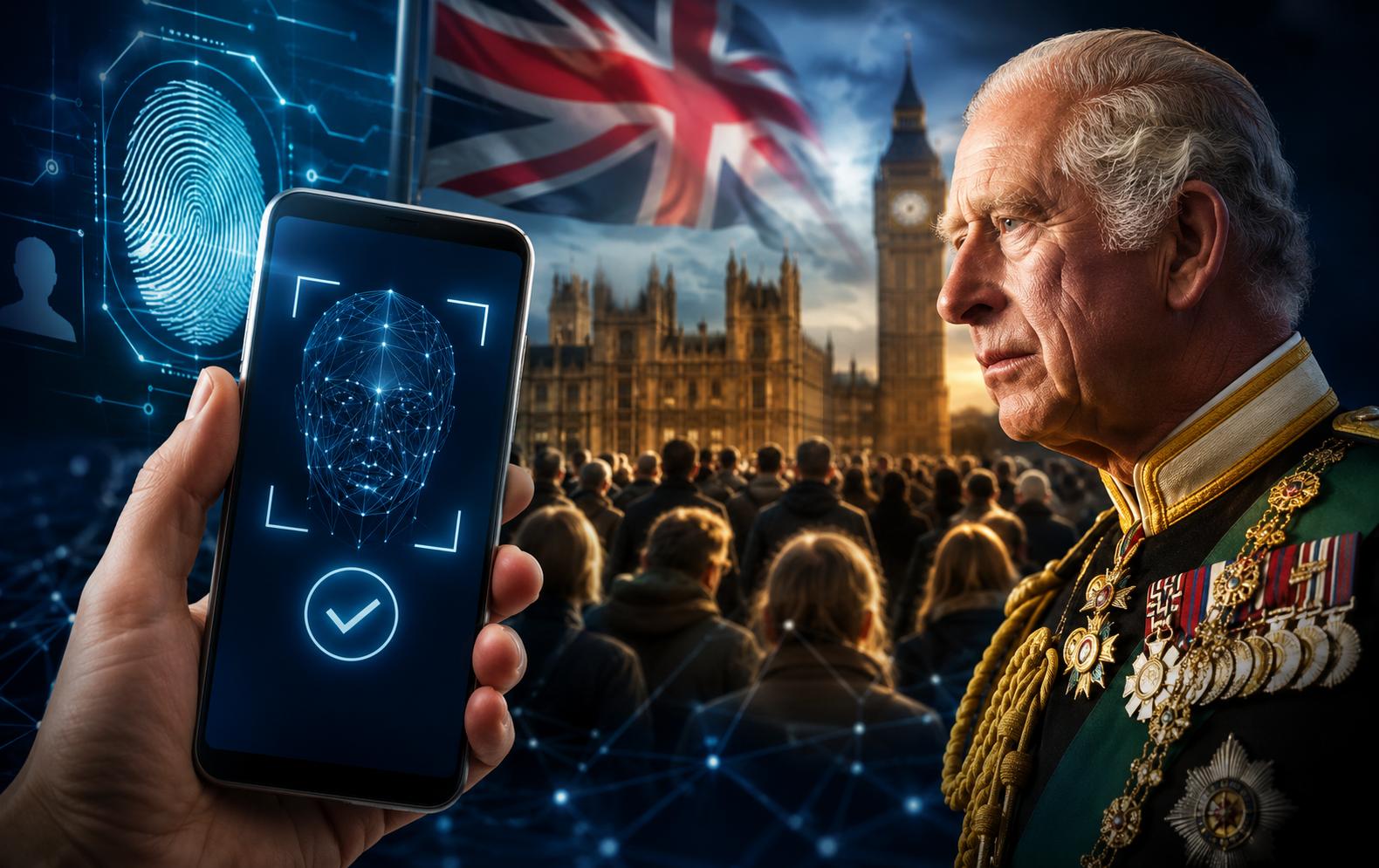
The debate around digital ID in the UK has intensified following today’s King’s Speech, which included fresh support for expanding digital identity systems across the country. The announcement has reignited arguments over privacy, security and the growing role technology could play in everyday life.
During the speech outlining the government’s legislative priorities, digital identity was presented as part of a wider effort to modernise Britain’s public services and strengthen online verification systems. Ministers believe digital ID could simplify access to services, reduce fraud and improve efficiency across government departments.
While supporters welcomed the move as a long overdue step towards modernisation, critics warned the UK could be drifting towards a system that risks expanding surveillance and weakening personal privacy.
Why Digital ID Is Back At The Centre Of UK Politics.
Digital identity has been discussed in Westminster for years, but today’s King’s Speech has placed the issue firmly back into the national spotlight. The government is pushing ahead with plans to make identity verification easier and more accessible through digital systems linked to phones and online services.
Officials argue the current process for proving identity is outdated and frustrating. Opening bank accounts, applying for jobs, renting property or accessing government services often requires physical documents such as passports, utility bills and driving licences. A digital ID system could replace much of that paperwork with a faster online process.
The government also sees digital identity as a tool for reducing fraud and tackling illegal working. Ministers believe stronger verification systems could make it harder for criminals to exploit weaknesses in current identification checks.
Supporters say Britain is simply catching up with countries already embracing digital services. Many people already use smartphones for banking, travel tickets and healthcare apps, leading advocates to argue digital identity is a natural next step.
The Privacy Concerns Behind UK Digital ID Plans.
Despite the promises of convenience, privacy concerns remain one of the biggest obstacles facing the government’s plans.
Civil liberties groups fear digital identity systems could gradually evolve into tools for monitoring citizens. Critics worry that once a nationwide identity infrastructure exists, future governments may expand how the system is used.
One of the main concerns is the amount of personal information that could potentially be stored or shared. Opponents argue that linking identity systems across banks, healthcare services, government departments and private companies could create an enormous pool of sensitive data.
There are also fears about mission creep. Some campaigners believe systems introduced for simple identity checks today could eventually become required for more areas of daily life in the future.
Public trust has also become a major issue. Data breaches involving both governments and large corporations have left many people sceptical about claims that digital identity systems would remain fully secure.
For critics, the concern is not only about who controls the system today but who may control it years from now.
Cybersecurity Experts Warn Of Serious Risks.
Cybersecurity concerns continue to dominate the debate around UK digital ID systems. While supporters argue digital identity could help reduce fraud, experts warn that centralised systems could become attractive targets for hackers.
If large amounts of personal data were compromised, the consequences could be severe. Unlike passwords, identity information and biometric details cannot easily be replaced. A major breach could affect millions of people for years.
Technical failures also worry critics. If digital identity platforms suffered outages or cyberattacks, access to key services could be disrupted. People relying heavily on digital verification could suddenly find themselves locked out of banking systems, travel services or government platforms.
Experts regularly point out that no digital system is completely immune from attack. Even major corporations and public institutions with advanced security protections continue to suffer high profile breaches.
This has fuelled fears that concentrating more personal information into connected digital systems may create risks that outweigh the convenience being promised.
Could Digital Identity Improve Everyday Life.
Despite the criticism, supporters insist digital identity could make life considerably easier for millions of people across Britain.
Simple tasks such as proving age online, verifying employment status or accessing NHS information could become faster and more secure. Businesses may also benefit from reduced paperwork and lower administrative costs linked to identity checks.
Some experts argue digital ID could particularly help people who struggle with traditional forms of identification. Younger adults, renters and those without stable housing sometimes face difficulties when required to provide extensive paperwork for basic services.
The government has also repeatedly claimed digital identity systems could improve access to childcare, tax services and welfare support.
Following today’s King’s Speech, ministers are expected to continue promoting digital ID as part of a broader effort to modernise public services and improve efficiency across the UK.
The UK Digital ID Debate Is Far From Settled.
Today’s King’s Speech may have pushed digital identity back into the political spotlight, but the debate surrounding the issue is unlikely to disappear anytime soon.
For supporters, digital ID represents a practical solution to outdated systems and growing online fraud. For critics, it raises difficult questions about privacy, government power and cybersecurity risks.
Ultimately, public trust could determine whether digital identity becomes widely accepted in Britain. Without strong safeguards, transparency and clear legal protections, scepticism surrounding digital ID is likely to remain strong.
As the government continues moving forward with its plans, the UK now faces a major question - can Britain modernise its identity systems without compromising privacy and civil liberties in the process?
Do you support the UK’s digital ID plans following today’s King’s Speech, or do you think the risks to privacy and cybersecurity are too high? Share your views in the comments and join the growing debate around digital identity in Britain.
Political News
UK Digital ID Debate Intensifies After King’s Speech Backs Nationwide Digital Identity Plans
Advertisement



Comments (0)
You must be logged in to post comments.
Don't have an account? Register here
No comments yet. Be the first to share your thoughts!