
Millions of households across the UK are set to be affected by major changes to tumble dryer regulations, with new rules effectively ending the sale of many traditional tumble dryers from 2027. While some headlines have described the move as a "tumble dryer ban", the reality is more nuanced. For residents in Newcastle, where wet weather and long winters often make outdoor drying difficult, the changes could have a significant impact on future appliance purchases and household energy costs.
The new regulations are part of the UK's wider effort to improve energy efficiency and reduce carbon emissions. However, many consumers are still unclear about what the rules mean, whether they need to replace existing appliances, and how much the switch could cost.
What Is The UK Tumble Dryer Ban?.
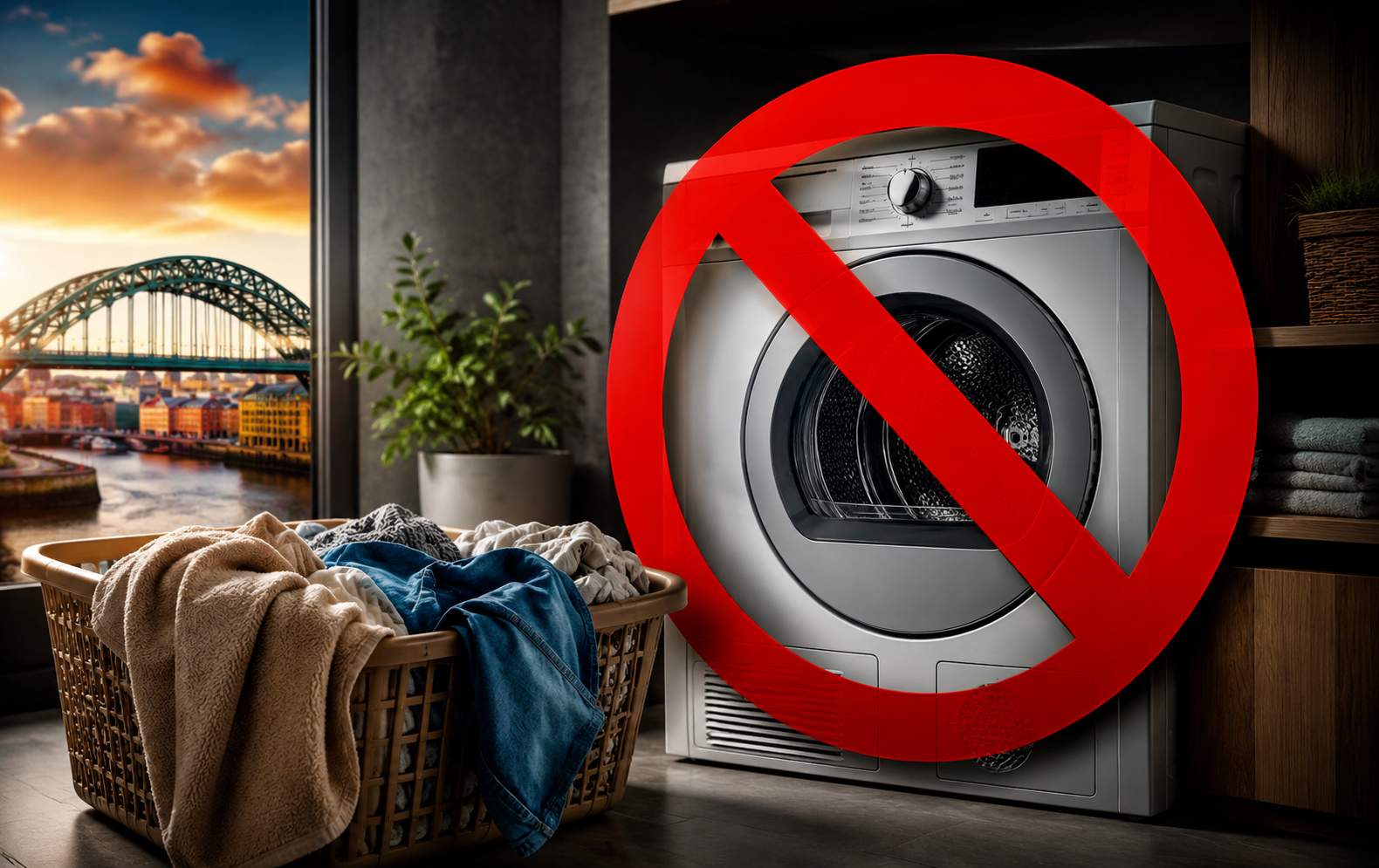
The term "tumble dryer ban" refers to new government regulations that will phase out the sale of less efficient tumble dryers, including many vented and condenser models. From January 2027, only new tumble dryers that meet strict energy efficiency standards will be allowed to enter the Great Britain market. In practice, this means heat pump tumble dryers are expected to become the dominant option available to consumers.
Importantly, homeowners do not need to throw away their existing machines. Residents in Newcastle and elsewhere can continue using, repairing, and even purchasing second-hand vented or condenser dryers after the rules come into force. The regulations only affect the sale of new products entering the market.
Why Is The Government Introducing The Changes?.
According to government assessments, there are around 17 million tumble dryers currently in use across the UK, consuming approximately 8 terawatt-hours of electricity every year. That accounts for roughly 9 percent of domestic electricity consumption nationwide. Around 1.2 million tumble dryers are sold annually.
Officials argue that newer heat pump technology can dramatically reduce energy use compared with traditional dryers. Government consultation documents estimate that households could save around £250 over the lifetime of a heat pump dryer compared with a condenser model. Over a longer 20-year lifespan, savings could reach approximately £900.
The policy is also expected to contribute to the UK's net zero targets, with projections suggesting significant reductions in carbon emissions and energy consumption by 2050.
How Will Newcastle Residents Be Affected?.
Newcastle's climate means tumble dryers are often viewed as a necessity rather than a luxury. Frequent rainfall, colder temperatures, and limited drying opportunities during autumn and winter increase reliance on indoor drying solutions.
For homeowners whose current dryers are still functioning properly, there will be little immediate impact. Existing machines can continue operating as normal. However, households looking to replace an ageing appliance after 2027 may find fewer choices available and could face higher upfront purchase costs.
Heat pump tumble dryers generally cost more than traditional vented or condenser models. While energy savings can offset these costs over time, some Newcastle families may be concerned about the larger initial investment, particularly during an ongoing cost-of-living squeeze.
The Growing Importance Of Energy Efficiency.
Energy costs remain a major concern for UK households. Research has shown that more than half of UK households own a tumble dryer, while many people have already reduced usage because of running costs. Among households that own a tumble dryer, 38 percent report using it less frequently than before due to energy concerns.
The move towards heat pump technology is intended to address these concerns. Unlike traditional dryers that generate heat continuously, heat pump models recycle warm air through the system. This process uses significantly less electricity and can help reduce monthly utility bills.
For Newcastle residents managing rising household expenses, lower running costs may eventually outweigh the higher purchase price.
What Alternatives Are Available?.
Not every household will rush to buy a heat pump tumble dryer. Some Newcastle residents may explore alternative drying methods, particularly as energy prices remain a concern.
Research suggests that clothes airers and washing lines remain among the most popular alternatives to tumble dryers. More than half of households already use airers, while many continue to rely on traditional outdoor drying whenever weather conditions allow.
Others may choose heated airers or dehumidifier-assisted drying systems, which have become increasingly popular in recent years. These options can be cheaper to run than some conventional tumble dryers and are particularly useful in flats and smaller homes.
Safety Concerns Remain Important Too.
While energy efficiency is driving the new regulations, safety remains a major consideration for consumers. Recent product recalls involving thousands of heat pump tumble dryers have highlighted the importance of checking appliance safety notices and manufacturer updates. More than 85,000 households have been contacted regarding certain heat pump dryer models affected by fire safety concerns.
Experts recommend regularly cleaning lint filters, avoiding overloading appliances, and checking whether any model is subject to a manufacturer recall. These simple steps can improve both safety and efficiency.
What Happens Next?.
The new regulations are scheduled to take effect from January 2027, giving manufacturers and retailers time to adjust product ranges and supply chains. Consumers still have time to research options and understand which type of dryer best suits their household needs.
For Newcastle residents, the key message is that existing tumble dryers are not being outlawed. The changes are focused on improving the efficiency of new appliances entering the market. While some shoppers may face higher upfront costs, the long-term goal is lower energy consumption, reduced bills, and a more sustainable approach to household laundry.
As the deadline approaches, consumers can expect increased availability of heat pump models and more information from retailers about the benefits and costs of switching.
If you're a Newcastle resident, do you support the UK's tumble dryer changes or are you concerned about rising appliance costs?
Political News
Upcoming UK Tumble Dryer Ban Explained: What It Means for Newcastle Homes
Advertisement





Comments (0)
You must be logged in to post comments.
Don't have an account? Register here
No comments yet. Be the first to share your thoughts!