
Whether you are applying for a mortgage in Newcastle, financing a new car in Sunderland or simply looking for a better credit card deal, your credit score can play an important role in your financial future. While many people know they have a credit score, far fewer understand how to check it for free or what lenders are actually looking for.
With household budgets continuing to feel the pressure across the North East, understanding your credit profile has become more important than ever. The good news is that checking your own credit score is completely free and will not damage your rating.
How to check your UK credit score for free.
In the UK, there are three main credit reference agencies. These are Experian, Equifax and TransUnion. Each holds slightly different information, which means your score can vary between providers.
You can check your credit score for free through several trusted services, including:
Experian's free account.
ClearScore, which uses Equifax data.
Credit Karma, which uses TransUnion data.
Your free statutory credit reports from all major credit reference agencies.
MoneyHelper recommends checking all available reports regularly because lenders do not always report to every agency, meaning one report could contain information that another does not. Checking your own report never harms your credit score because it is recorded as a soft search rather than a credit application.
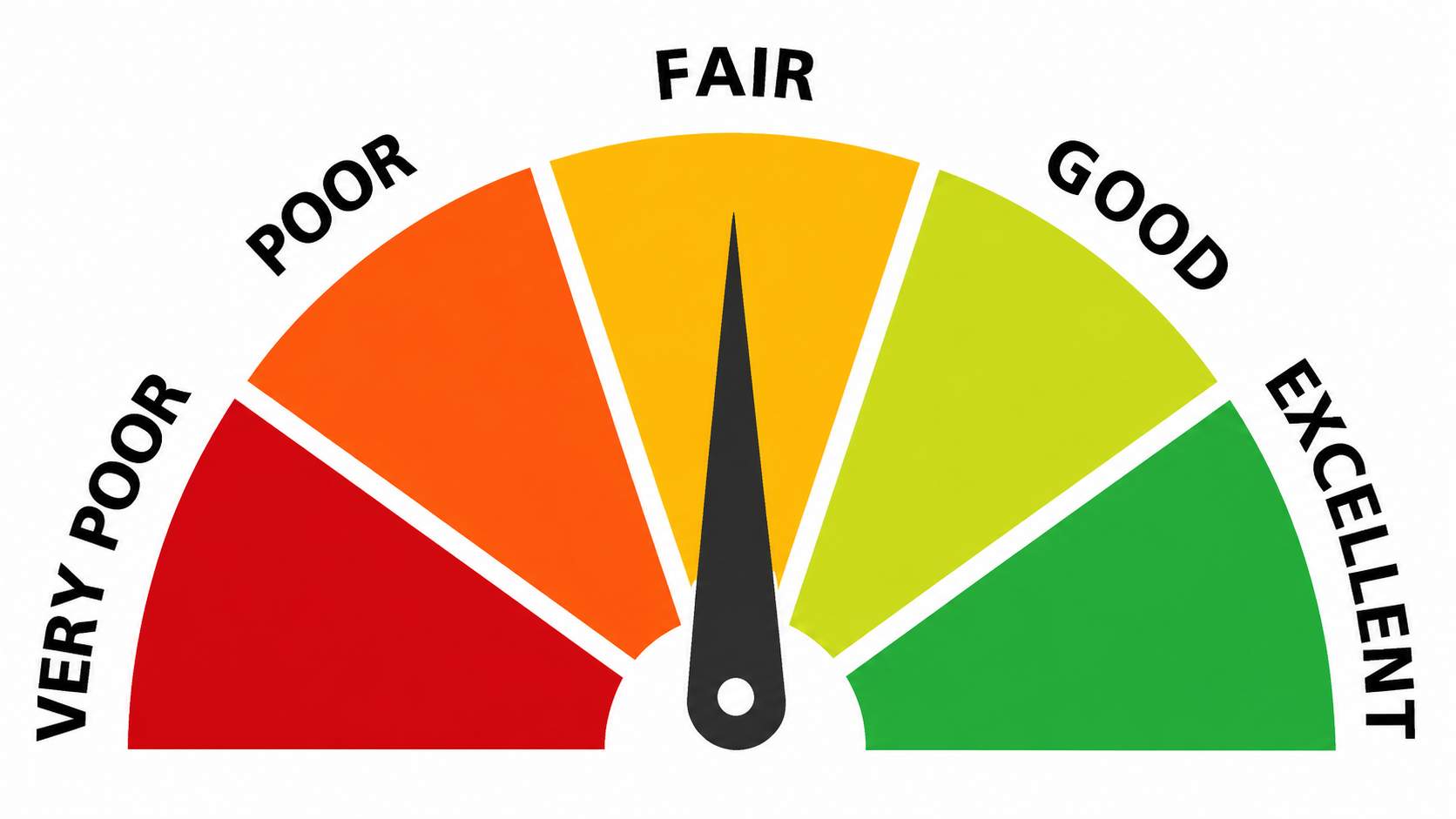
What is considered a good credit score.
One of the biggest misconceptions is that there is a single UK credit score. In reality, every credit reference agency uses its own scoring system.
For example:
Experian scores range from 0 to 1,250, with 961 or above generally considered good and 1,121 or above regarded as excellent.
Equifax scores range from 0 to 1,000, with higher scores indicating lower lending risk.
TransUnion uses a different scale again.
The number itself is only a guide. Every bank, mortgage provider and finance company uses its own internal assessment when deciding whether to lend money. A high score improves your chances, but it does not guarantee approval.
Why your credit score matters in the North East.
For many people across Newcastle and the wider North East, improving a credit score could mean access to lower interest rates on mortgages, personal loans and vehicle finance.
The region has experienced significant house price growth over the past decade while many first-time buyers continue saving for deposits. Even a small improvement in borrowing rates can potentially save thousands of pounds over the lifetime of a mortgage.
Your credit history may also be checked by landlords, mobile phone providers and utility companies before offering contracts, making a healthy credit profile valuable even if you are not planning to borrow money immediately.
Five simple ways to improve your credit score.
Improving your credit score rarely happens overnight, but consistent habits often make a noticeable difference over time.
The most effective steps include paying every bill on time. Missed or late payments remain on your credit file for up to six years and can significantly reduce your score.
Registering to vote at your current address is another quick win because lenders use the electoral roll to verify your identity.
Keeping credit card balances low can also help. Using only a small percentage of your available credit generally looks more responsible than regularly reaching your limit.
Avoid making multiple credit applications within a short period. Every hard search may reduce your appeal to lenders if too many appear together.
Finally, check your credit report regularly for errors. Incorrect addresses, duplicate accounts or outdated information can all affect your rating and should be challenged if inaccurate.
Common myths that still catch people out.
Many people still avoid checking their credit score because they believe it lowers their rating. This is false. Looking at your own report has no negative impact whatsoever.
Another common myth is that earning a higher salary automatically gives you a better score. Income itself is not part of your credit score. Instead, lenders focus on how reliably you manage existing credit commitments.
Similarly, paying off a loan does not always lead to an immediate increase. Credit scores are updated regularly as new information is reported, meaning improvements often take time to appear.
Interesting UK credit facts.
There are a few statistics that many consumers find surprising.
More than one-third of Equifax users sign up simply because they want to understand where they stand financially, making curiosity the biggest reason people check their score. Around 22 percent do so before major life events such as applying for a mortgage, while roughly 8 percent are motivated by concerns about fraud or identity theft.
Financial experts also recommend reviewing your credit reports several times each year because different agencies can hold different information, particularly if you have multiple lenders reporting to separate databases.
Taking control of your financial future.
Whether you are saving for your first home in Newcastle, planning to refinance existing borrowing or simply trying to improve your financial health, checking your credit score is one of the easiest financial habits to develop.
It costs nothing, takes only a few minutes and could help identify issues before they affect a mortgage application or other important financial decision. Combined with responsible borrowing and regular monitoring, it can place you in a much stronger position for the future.
Share your experiences below.
Have you ever spotted an unexpected mistake on your credit report?
Lifestyle News
What Is Considered A 'Good' Credit Score In 2026?
Advertisement





Comments (0)
You must be logged in to post comments.
Don't have an account? Register here
No comments yet. Be the first to share your thoughts!