
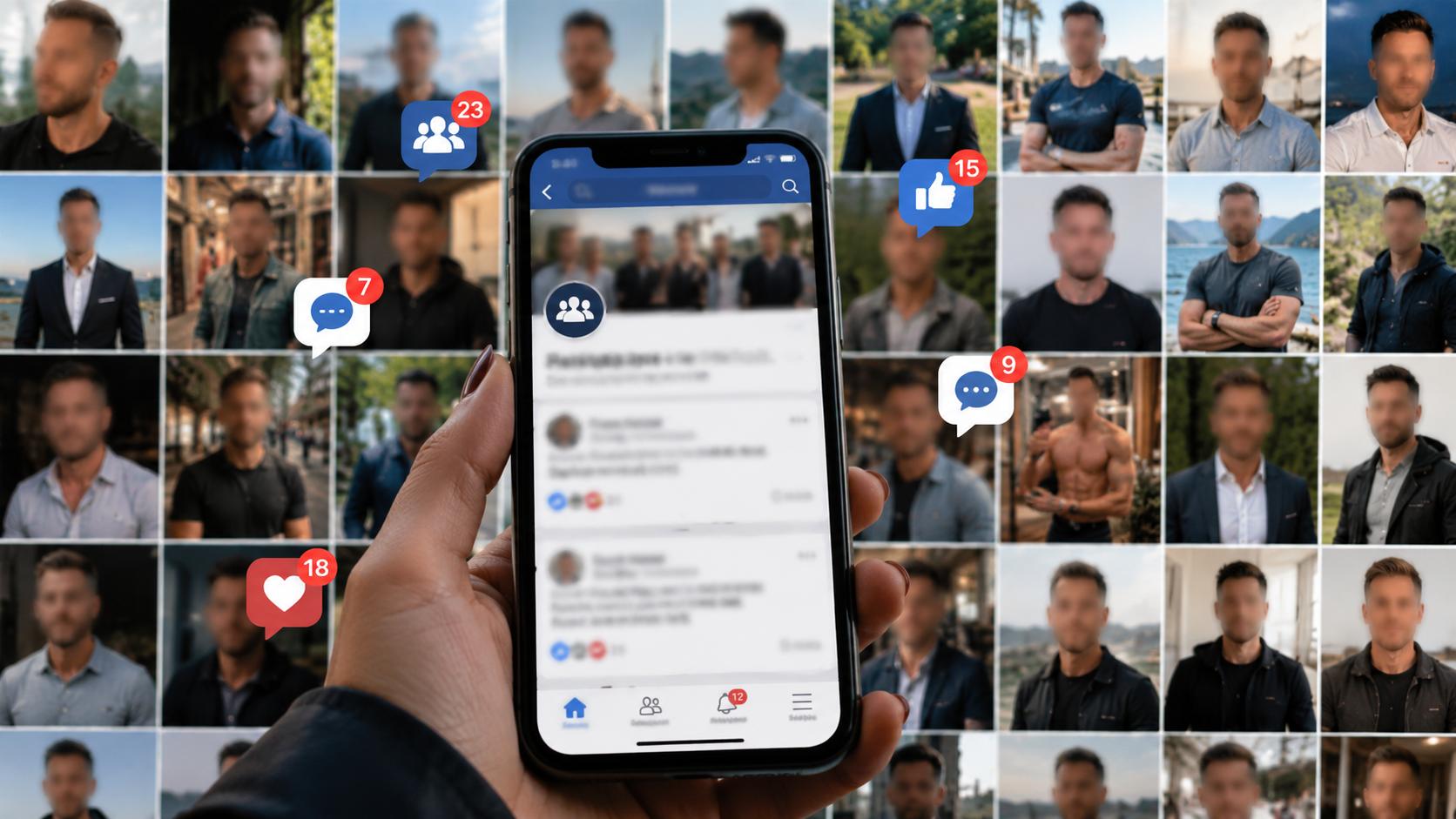

The group, called Are We Dating The Same Guy? | Newcastle upon Tyne UK, has seen rapid growth in recent months, with hundreds of new members joining every week. While many supporters believe it offers women an extra layer of protection before beginning new relationships, others question whether social media has crossed a line by allowing private individuals, by name and where they live, to be discussed before thousands of strangers.
The debate is no longer limited to Newcastle. Similar groups have appeared throughout the UK and internationally, highlighting changing attitudes towards online dating, personal safety and digital privacy. Yet the size of the Newcastle community has placed the North East firmly at the centre of a conversation that continues to divide opinion.
Modern Dating Has Changed Completely.
Only a generation ago, many couples met through friends, family members or work colleagues. Those introductions often came with reassurance because someone within a trusted circle already knew the other person.
Today, dating looks very different.
Millions of people now rely on apps and social media to meet potential partners, often connecting with complete strangers who have no shared friends or social connections. While technology has opened the door to more opportunities than ever before, it has also introduced new uncertainties.
Instead of asking a handful of close friends whether they know someone, many people now have access to online communities capable of reaching thousands of members within minutes.
The Newcastle Facebook group reflects that shift perfectly.
Members can upload photographs of men they are dating, or considering meeting, and ask whether anyone else has had previous experience with them. Posts often include the person's first name and the area where they live, while anonymous posting options allow members to seek information without revealing their own identity.
Supporters say the goal is simple. They want to identify warning signs before entering relationships that could later become abusive or emotionally damaging.
Why Many Women Support The Groups.
For many women, the groups are viewed as an additional safeguarding tool rather than a platform for gossip.
The rise of online dating has removed many of the informal background checks that naturally existed when couples met through mutual friends. Without those social connections, people can feel vulnerable when arranging dates with someone they have never previously encountered.
Research suggests those concerns are understandable.
According to the Office for National Statistics, an estimated 2.3 million adults aged 16 years and over experienced domestic abuse in England and Wales during the year ending March 2025, with women continuing to be disproportionately affected by domestic abuse and coercive control. The data highlights why many people actively seek reassurance before pursuing new relationships.
Women's Aid and Refuge have also repeatedly highlighted the increasing role technology plays in both forming relationships and facilitating abuse, particularly through digital communication and social media.
Against that backdrop, communities such as the Newcastle group have found a growing audience.
Members often describe them as an early warning system where repeated patterns of concerning behaviour may emerge that individual women would otherwise never discover.
Newcastle Reflects A National Trend.
Although the Facebook group focuses on Newcastle upon Tyne and surrounding areas including Gateshead, North Tyneside, South Tyneside and Sunderland, the issue extends well beyond the North East.
Similar "Are We Dating The Same Guy?" communities now exist across numerous UK cities, reflecting wider concerns about dating in an increasingly digital world.
According to communications regulator Ofcom, social media platforms continue to reach the overwhelming majority of UK internet users, while online dating has become one of the most common ways for adults under 40 to begin relationships.
For Newcastle residents, however, the local nature of the group creates unique circumstances.
Unlike national forums, members are far more likely to recognise photographs shared by neighbours, colleagues, former classmates or people connected through local businesses and communities.
That familiarity can make discussions feel much more personal.
Privacy Questions Continue To Divide Opinion.
While supporters emphasise safety, critics believe the growing popularity of these groups raises difficult questions about privacy and fairness.
Posting an identifiable photograph of a private individual into a public Facebook community with more than 10,700 members is very different from asking a trusted friend for advice.
Once photographs or comments appear online, they can potentially be copied, shared or captured in screenshots before being removed. Even when posts are deleted, digital content can continue circulating elsewhere.
Another challenge concerns verification.
People reading comments have little opportunity to independently confirm personal experiences being shared.
Some responses may describe positive encounters, while others contain criticism or allegations that readers cannot easily verify. Likewise, the individual being discussed may have no knowledge that the conversation is taking place and no opportunity to provide context or respond. If a post is seen by colleagues, employers, friends or family members, it could affect both a person's private and professional life, potentially leading to embarrassment or social stigma. In some circumstances, inaccurate or defamatory statements shared online could also carry legal consequences for those responsible, highlighting the importance of ensuring that information posted on social media is both truthful and responsibly shared.
That does not automatically make every comment inaccurate, nor does it mean every statement should be accepted without question.
Instead, it illustrates one of social media's biggest challenges. Information often spreads much faster than it can be independently assessed.
Where Official Safeguarding Still Matters.
Supporters of the Newcastle group frequently point out that online communities should not replace official safeguarding measures.
Police continue to encourage anyone concerned about abusive or criminal behaviour to report matters directly through appropriate channels.
Occasionally, anonymous comments recommend applying for a Clare's Law disclosure without offering any explanation or evidence to support the suggestion. As a result, other readers have no means of understanding what, if anything, prompted the recommendation, or whether it is based on personal experience, second-hand information or something else entirely.
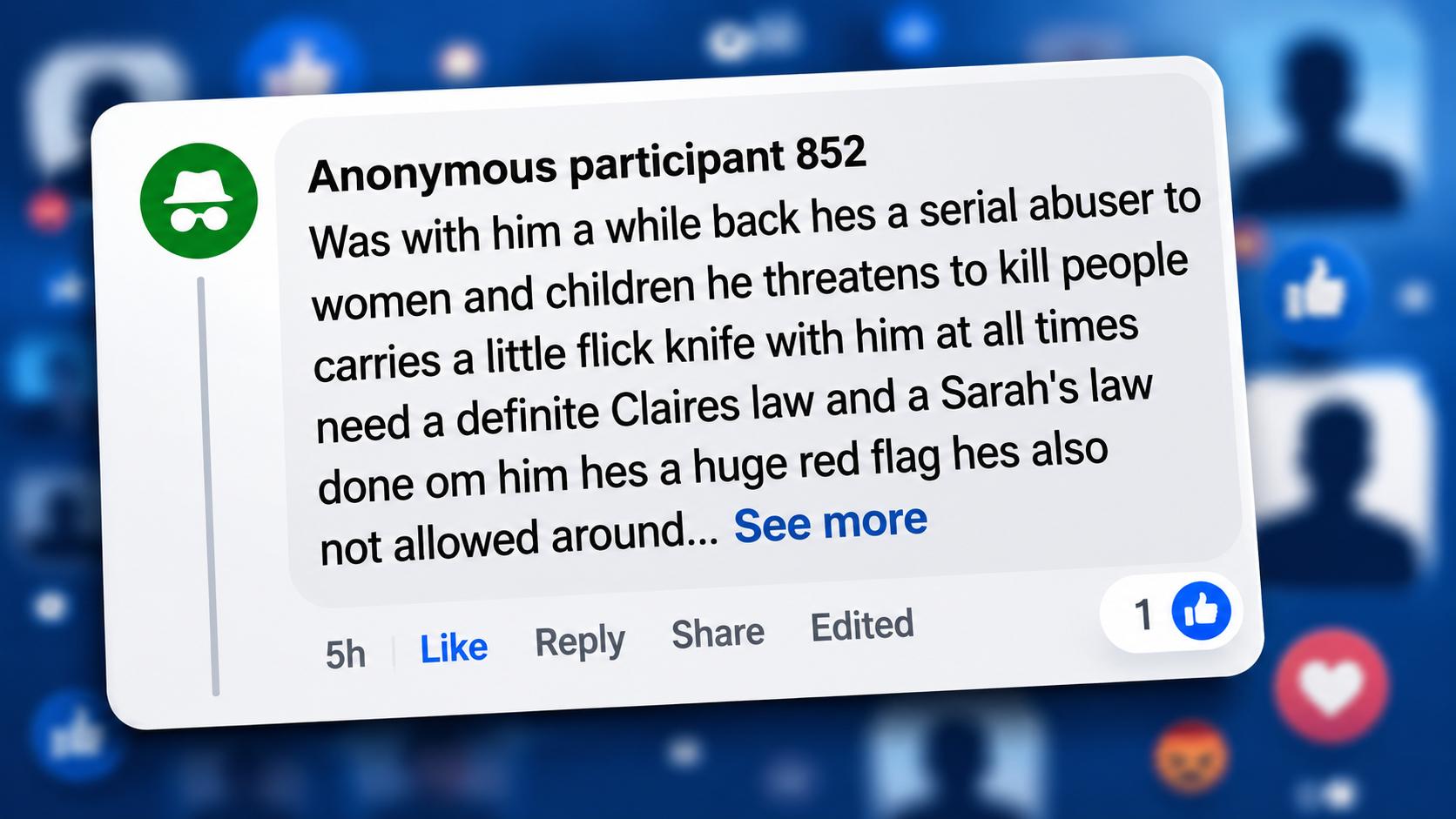
The scheme exists across England and Wales and has become an increasingly recognised safeguarding tool for people entering new relationships.
Rather than relying solely on information shared on social media, charities advise combining personal judgement with official safeguarding resources whenever genuine concerns exist.
A Debate With No Easy Answer.
Perhaps the reason these Facebook groups generate such passionate discussion is because both perspectives raise valid points.
Domestic abuse remains a serious issue affecting millions of people, and many women believe communities like this provide valuable opportunities to identify potential warning signs before relationships develop further.
At the same time, privacy, fairness and accountability remain important principles in any society.
Questions continue to be asked about moderation procedures, anonymous posting, fact checking and what options exist for individuals who believe inaccurate information has been published about them.
Those issues are unlikely to disappear as social media continues evolving.
For Newcastle residents, the discussion feels especially relevant because the city has become home to one of the UK's fastest-growing communities of this kind.
Whether these groups ultimately become recognised as an important safeguarding resource or remain the subject of ongoing privacy concerns, one fact is difficult to ignore.
Technology has fundamentally changed how people investigate potential partners.
Instead of asking two or three close friends, thousands of opinions can now be sought with a single Facebook post.
As online dating continues to grow, Newcastle's experience reflects a wider national conversation about where society should draw the line between protecting individuals from harm and protecting personal privacy.
Finding the right balance may prove one of the defining digital challenges of modern relationships.
Share your thoughts below.
Do you think these types of group improve safety or raise too many privacy concerns?

Comments (0)
You must be logged in to post comments.
Don't have an account? Register here
No comments yet. Be the first to share your thoughts!