
The North East is famous for castles, Roman history and spectacular coastline, but it is also home to some of Britain's strangest place names. From villages called No Place and Pity Me to locations with names that sound almost fictional, these communities have puzzled visitors for generations.
Many of these names date back hundreds of years and reveal fascinating stories about Viking settlers, Norman monks, mining communities and ancient landscapes. While they often raise a smile, their origins are usually rooted in genuine local history rather than myth.
According to the English Place-Name Society, England's place names preserve more than 1,500 years of linguistic history, reflecting influences from Old English, Old Norse, Celtic and Norman French. The North East contains one of Britain's richest collections of these historic names thanks to its unique position between England and Scotland.
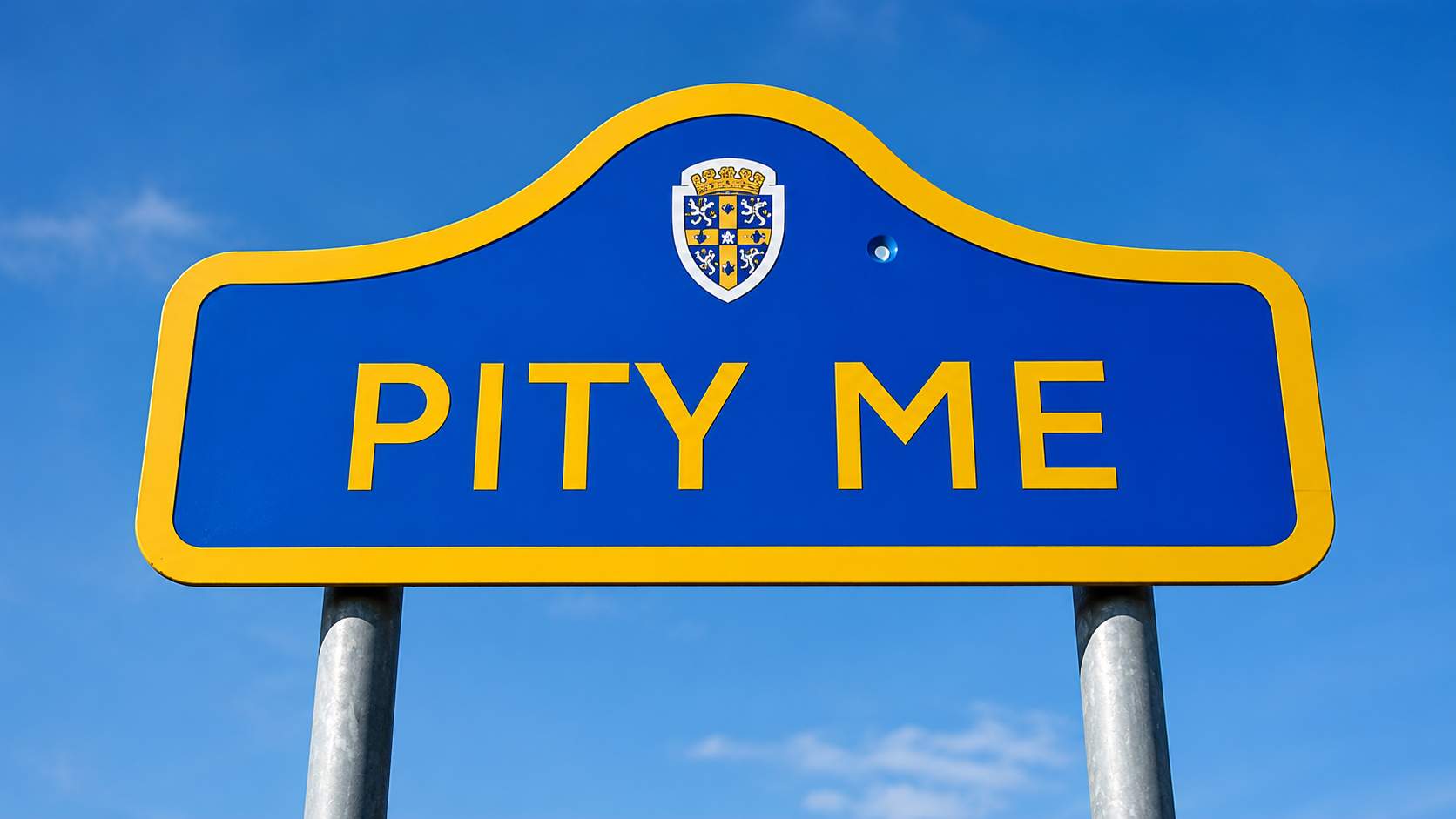
1. Pity Me, County Durham.
Perhaps the region's most famous unusual name, Pity Me regularly appears on lists of Britain's oddest villages.
The exact origin remains uncertain. The Oxford Dictionary of British Place Names suggests it may simply have been a humorous name given to an exposed, difficult area of farmland during the nineteenth century. Other theories connect it with "Petit Mere" or "Peaty Mere", referring to marshland, while colourful local legends involve monks carrying St Cuthbert's coffin asking people to "pity me". Most historians dismiss those stories as folklore.
Today the village sits just north of Durham and has become better known for shopping than sorrow, thanks to the nearby Arnison Centre.
2. No Place, County Durham.
Imagine telling someone you live in No Place.
Despite the name, the village certainly exists. Historians believe it may originally have been called "North Place", "Near Place" or "Nigh Place", with pronunciation changing over time. Another theory suggests it stood between parish boundaries, meaning it belonged to "no place" in administrative terms.
Residents successfully fought attempts to rename the village during the 1980s, preserving one of Britain's most memorable addresses.
3. Once Brewed, Northumberland.
Located close to Hadrian's Wall, Once Brewed often leaves motorists wondering whether they have read the road signs correctly.
The village owes its name to the Once Brewed Inn, while travellers approaching from the opposite direction encounter signs for Twice Brewed. Both names survive today, creating one of England's most unusual navigational quirks.
The nearby visitor centre at The Sill now attracts thousands of walkers exploring Hadrian's Wall National Trail every year.
4. Bearpark, County Durham.
Bearpark sounds like somewhere filled with wildlife, but bears have never roamed its streets.
The name comes from the Norman French "Beaurepaire", meaning "beautiful retreat". It referred to a medieval hunting lodge owned by the monks of Durham before centuries of pronunciation gradually transformed it into Bearpark.
It remains one of the clearest examples of French influence on North East place names.
5. Wideopen, Newcastle.
Drivers heading north from Newcastle often do a double take when they pass signs for Wideopen.
Rather than describing the landscape, historians believe the name developed from the area's exposed position on open moorland where little shelter existed from the wind. Over time, the descriptive phrase became the village's official name.
Today, it is one of the closest unusual place names to Newcastle city centre.
6. Shiney Row, Sunderland.
Despite the spelling, Shiney Row has nothing to do with sparkling streets.
Researchers believe "Shiney" derives from an old dialect word linked to temporary huts built for workers, while "Row" refers to the rows of miners' cottages that once dominated the settlement.
Its mining heritage remains central to local identity.
7. Muggleswick, County Durham.
Long before Harry Potter introduced Muggles, County Durham already had Muggleswick.
The name probably combines an early personal name with the Old English word "wic", meaning a farm or settlement. Medieval records show variations of the spelling stretching back centuries, proving the village's magical sounding name is entirely historical.
Its remote moorland setting adds to its charm.
8. Foggy Furze, Hartlepool.
Foggy Furze sounds more like a fantasy novel than a real neighbourhood.
Local historians trace the name to the Old Norse word "fog", meaning coarse grass, while "furze" refers to gorse bushes that once covered the area. Rather than weather, the name originally described the local vegetation.
It is a reminder of the strong Viking influence across parts of the North East.
9. Quaking Houses, County Durham.
The name Quaking Houses often sparks ghost stories, but its origin is probably far less dramatic.
One theory suggests early cottages shook during strong winds because of unstable ground and poor construction. Another links the name to the Religious Society of Friends, who were sometimes known as Quakers.
Whichever explanation is correct, it remains one of the region's most distinctive village names.
10. Blanchland, Northumberland.
Blanchland sounds elegant because it genuinely has French roots.
The medieval abbey was founded by Premonstratensian monks whose white habits inspired the name. "Blanche" is the French word for white, giving the village its lasting identity.
Today it regularly appears on lists of Britain's prettiest villages and attracts visitors from across the UK.
Why these names still matter.
Unusual place names are far more than amusing road signs. They preserve centuries of local history, revealing how people lived, worked and described the landscapes around them. Linguists estimate that many English place names are more than 1,000 years old, making them among the country's oldest surviving pieces of everyday language.
Whether they originated from Viking settlers, Norman monks, ancient farms or local dialect, these names continue to make the North East one of Britain's most distinctive regions. For many visitors exploring from Newcastle, discovering these unusual destinations has become just as enjoyable as visiting famous landmarks.
Join the discussion.
What's the strangest place name you've ever visited?
Local News
10 Of The Weirdest Village Names in the North East
Advertisement


Comments (0)
You must be logged in to post comments.
Don't have an account? Register here
No comments yet. Be the first to share your thoughts!