
Newcastle has become one of the UK's most diverse university cities, attracting students and professionals from across Britain and around the world. Among them are thousands of young British Muslims who are balancing university, careers, friendships and family life while remaining connected to their faith.
For many, modern Muslim life in Newcastle is not about choosing between religion and everyday life. Instead, it is about finding ways for both to work together. Whether it is attending Friday prayers between lectures, volunteering at local charities, supporting community events or simply meeting friends for coffee after evening prayers, young Muslims are helping shape the city's future while remaining proud of their identity.
As Newcastle continues to grow as an international city, their stories are becoming an increasingly important part of the region's wider community.
A growing Muslim community.
The latest Census shows Newcastle's Muslim population has grown steadily over the past decade.
According to the Office for National Statistics, 9 percent of Newcastle residents identified as Muslim in the 2021 Census, up from 6.3 percent in 2011. That represents one of the largest Muslim communities anywhere in the North East, reflecting the city's growing diversity and international population.
The same Census found Newcastle's overall population had grown by 7.1 percent between 2011 and 2021, reaching around 300,100 residents, while approximately 11.4 percent of residents identified as Asian, Asian British or Asian Welsh.
Many younger Muslims are British-born, while others have moved to Newcastle for higher education, healthcare careers, engineering, digital technology and scientific research.
University life and faith.
Newcastle University and Northumbria University welcome thousands of international and British Muslim students each year.
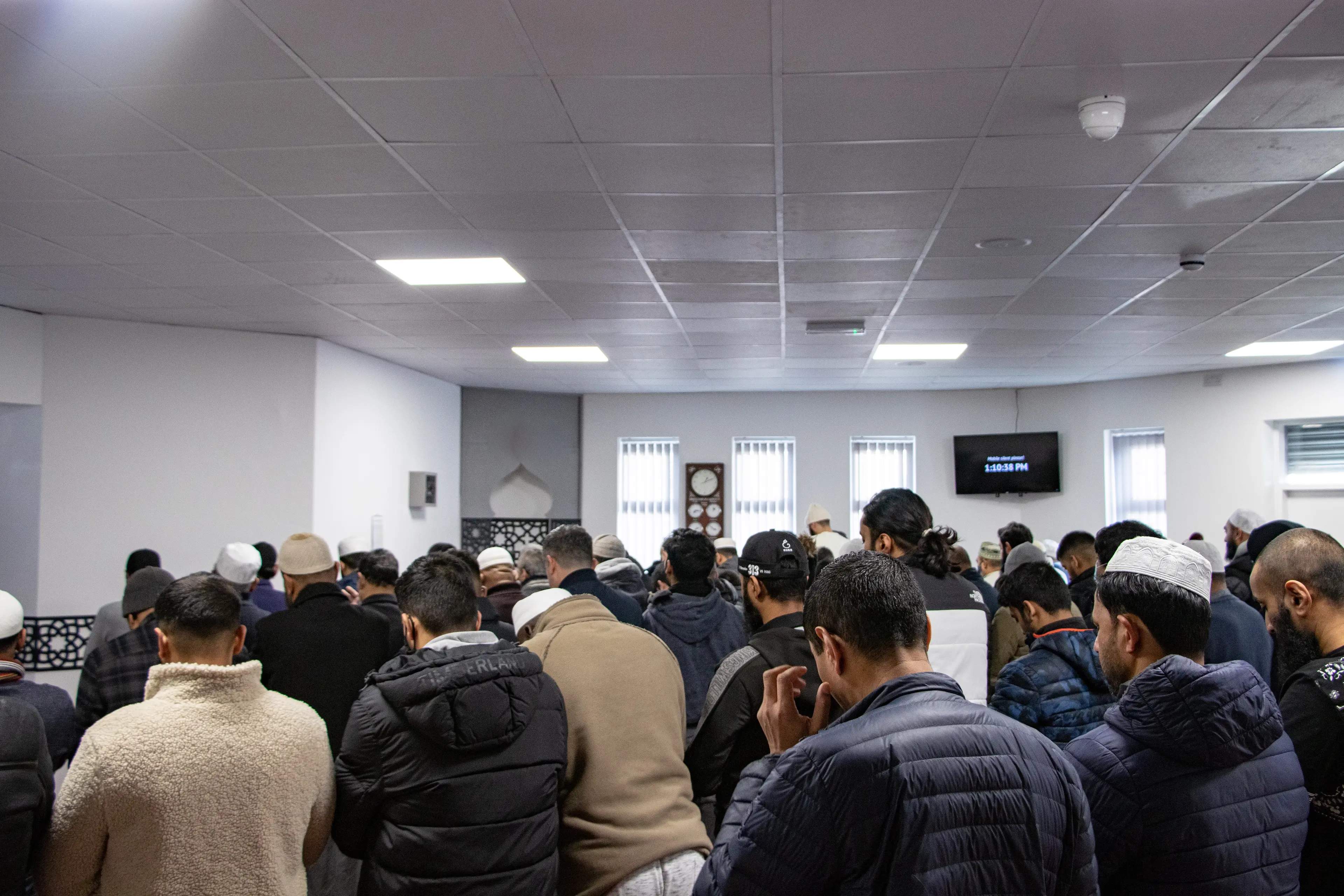
For many students, university is where independence begins, but faith continues to play an important role. Prayer facilities on campus, Islamic societies and nearby mosques provide opportunities to worship, make friends and support one another throughout the academic year.
Ramadan often falls during university terms, creating unique challenges as students balance fasting with lectures, coursework and examinations. Many describe the experience as demanding but rewarding, with local mosques organising community iftars where students living away from home can break their fast together.
These gatherings often bring together people from dozens of nationalities, highlighting Newcastle's growing multicultural identity.
More than places of worship.
Mosques across Newcastle have become much more than places for prayer.
They regularly organise youth activities, educational classes, charity fundraising, food collections and community events that welcome people from every background. During Ramadan, many mosques provide free evening meals, while charitable donations collected throughout the year help support local families experiencing financial hardship.
Many young Muslims also volunteer with food banks, homelessness projects and fundraising campaigns, reflecting the Islamic tradition of charitable giving known as Zakat.
These initiatives often receive little public attention but contribute significantly to community life across the city.
Balancing tradition with modern Newcastle.
Like many young adults, British Muslims in Newcastle enjoy sport, music, travel, shopping and spending time with friends.
The difference is often how faith influences everyday decisions.
Some choose halal restaurants when meeting friends, while others plan social activities around daily prayers or avoid alcohol while still enjoying Newcastle's thriving café culture and independent food scene.
Many say the city's welcoming atmosphere makes it easier to feel part of the wider community. Newcastle has developed a reputation as one of Britain's friendliest cities, where people from different backgrounds increasingly live, study and work together.
For young Muslims growing up in the North East, being proudly British, proudly Geordie and proudly Muslim is not seen as a contradiction. It is simply part of everyday life.
Breaking outdated stereotypes.
Media coverage has often focused on division rather than everyday experiences.
The reality for most young Muslims in Newcastle is far less dramatic.
Their lives revolve around university deadlines, careers, football, family celebrations, weddings, volunteering and building successful futures. Many work within the NHS, education, engineering, retail and technology, helping support the local economy alongside people from every background.
Community leaders continue to encourage open days, school visits and interfaith events that allow residents to learn more about Islam and build stronger relationships across Newcastle's diverse communities.
These conversations help replace assumptions with understanding and create opportunities for meaningful connections.
Looking ahead.
Newcastle's future is becoming increasingly diverse, and its younger generation reflects that change.
Alongside Christian, Hindu, Sikh, Jewish and other faith communities, young Muslims continue to play an important role in shaping the city's cultural, educational and economic future.
Whether they are launching businesses, graduating from university, volunteering in their neighbourhoods or raising families, they are helping write the next chapter of Newcastle's story.
As the city continues to grow, understanding the experiences of different communities becomes increasingly valuable. Behind the headlines are ordinary young people balancing ambition, friendship and faith while contributing to the place they proudly call home.
Their stories are not defined by difference, but by shared hopes for opportunity, belonging and a brighter future across Newcastle and the North East.
Join the conversation.
How do you think Newcastle's diverse communities make the city a better place to live, work and study?
Local News
How Newcastle's Muslim Males Are Building Their Future in the North East
Advertisement


Comments (0)
You must be logged in to post comments.
Don't have an account? Register here
No comments yet. Be the first to share your thoughts!